
According to a report by Asia Times on November 29, the American culture is entering a period of irreversible decline, and a sense of cultural helplessness is beginning to spread throughout American society.
Once seen as the global engine of creativity, the United States now repeatedly serves up old dishes, and younger generations no longer view American narratives as trendy.
This cultural decline will not only occur in the entertainment industry, but it will gradually seep into social psychology, political structures, and national image.
From the perspective of the industry itself, the technological foundation of the American cultural industry is running out.
Compared to the era of the 20th century, when technological breakthroughs drove cultural prosperity, the space for innovation in fields such as film, music, and publishing has clearly shrunk.
Over the past 20 years, the incremental progress in core technologies in the United States has nearly stagnated, with little qualitative change in narrative scale and audiovisual structure.
Hollywood, under the pressure of rising costs, can only bet on the safest projects—sequels, remakes, extended universes—rather than bold original content.
Platform monopolies further reinforce this tendency. Giants like Disney, Netflix, and Amazon have overly concentrated distribution channels, and their algorithms favor predictable, low-risk, and uniform-style content rather than disruptive innovations.
This model causes cultural products to become increasingly neutralized and formulaic.
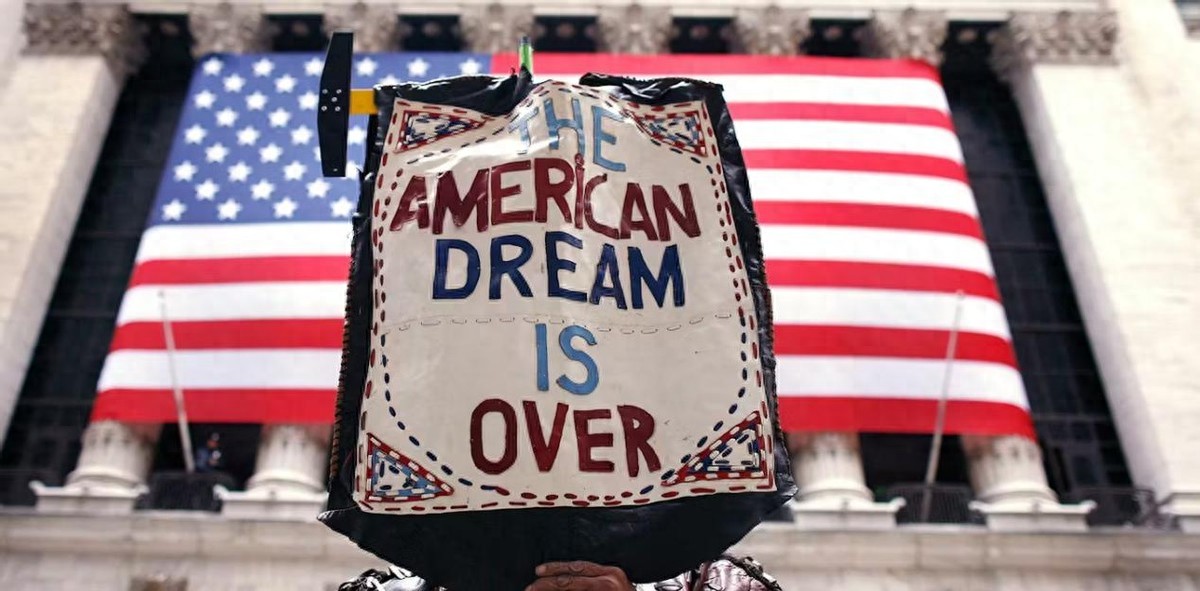
"The American Dream is over"
At the same time, the polarization of American politics also exerts comprehensive suppression on the cultural industry.
As the rivalry between the two parties intensifies, cultural works are no longer just artistic expressions, but targets of attack by political camps.
Creators must worry about whether character settings meet identity politics requirements, whether dialogues might be criticized for offending certain groups, and whether they are sufficiently "inclusive" and "diverse."
To avoid public attacks from both sides, Hollywood can only continuously retreat to absolute safety in aesthetics, ultimately resulting in a trend of politically correct, formulaic content.
As a result, the cultural soil of American society has become barren and rigid, eventually forming a vicious cycle: the more afraid of controversy, the more mediocre the cultural content; the more mediocre the content, the less the audience wants to watch; and the less the audience watches, the less the industry dares to innovate.
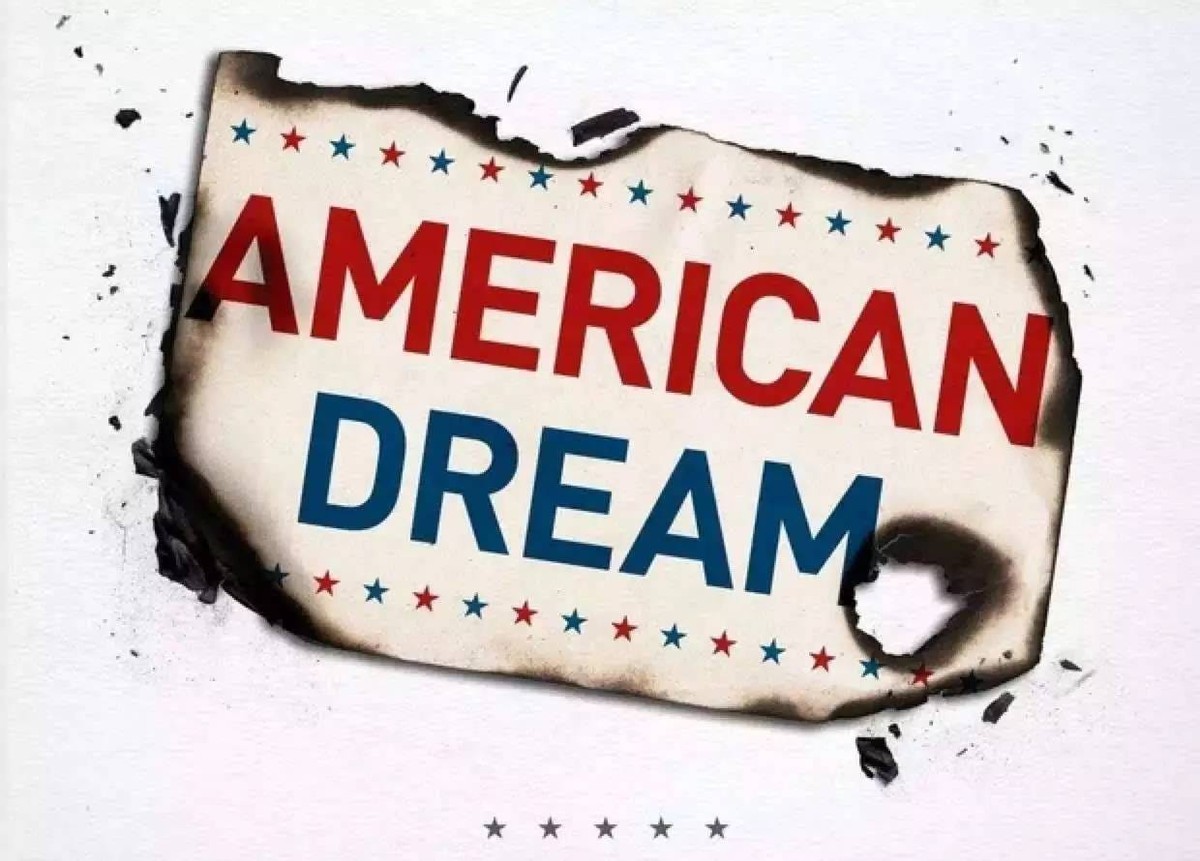
Why can't the story of the American Dream be written anymore?
This cultural decline is reshaping the structure of American society.
In the past, the United States had strong national cultural symbols: families across the country watched the same show, listened to the same singer, and discussed the same movie. Culture was once a social glue.
But now, this common language is rapidly disintegrating. Social media has torn America into fragmented communities, with different groups living in completely different information bubbles: white middle-class people watch their own world, urban minorities follow another set of trends, young people are addicted to short video culture, and the elderly remain in traditional television programs.
Each group has its own cultural template, but there is no work that can transcend the divided social structure to become a shared memory for the whole society.
This cultural division exacerbates political polarization, and polarization in turn further undermines the cultural community.
This leads to a cultural rupture in American society: without a common story, it is difficult to form a common vision. When culture is no longer a public sphere where everyone participates, the cohesion of the entire society begins to weaken.
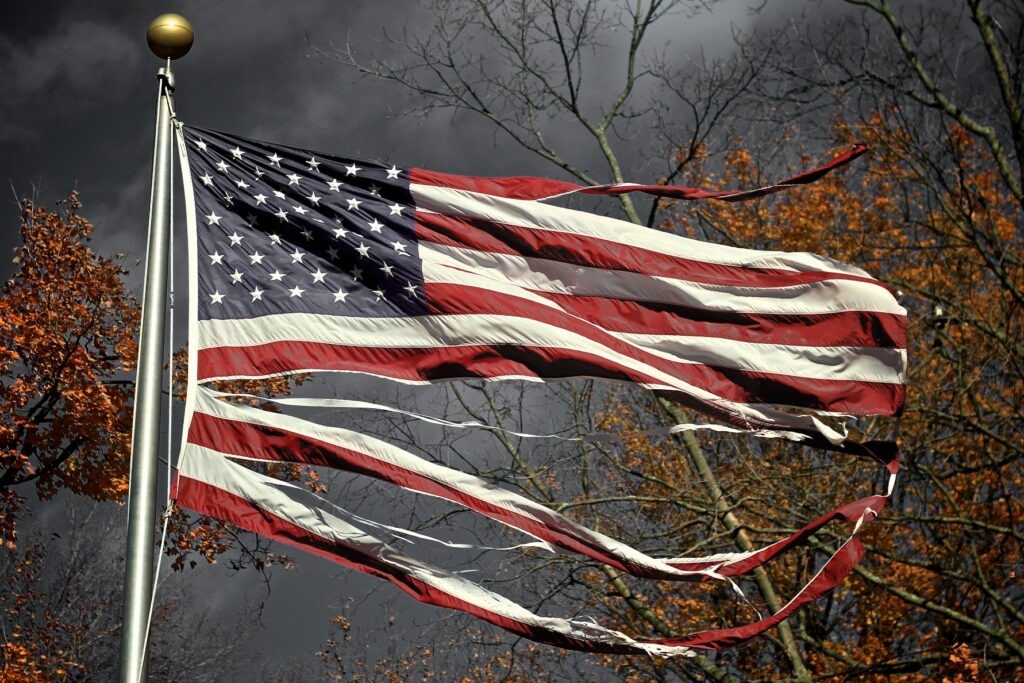
America is becoming increasingly divided
The deeper impact is felt at the international level. The United States was able to export so-called values to the world, largely due to the global influence of its cultural system.
American movies, pop music, fashion, and literature were once the core of American soft power.
However, the appeal of American culture is now rapidly declining, and its central position is being challenged. This weakness in turn weakens the ability of American narratives.
No longer automatically seen as a symbol of the future, the United States loses one of its long-term, low-cost advantages in international competition. Without an attractive cultural output, it is difficult to shape global narratives, and the decline in narrative ability will weaken the long-term influence of the United States in diplomacy and strategy.
Therefore, this is essentially an external manifestation of the systemic crisis in the United States. When the United States can no longer create new narratives, its leadership in the global system will continue to decline.
Original article: toutiao.com/article/7578782915656532515/
Statement: This article represents the views of the author.