
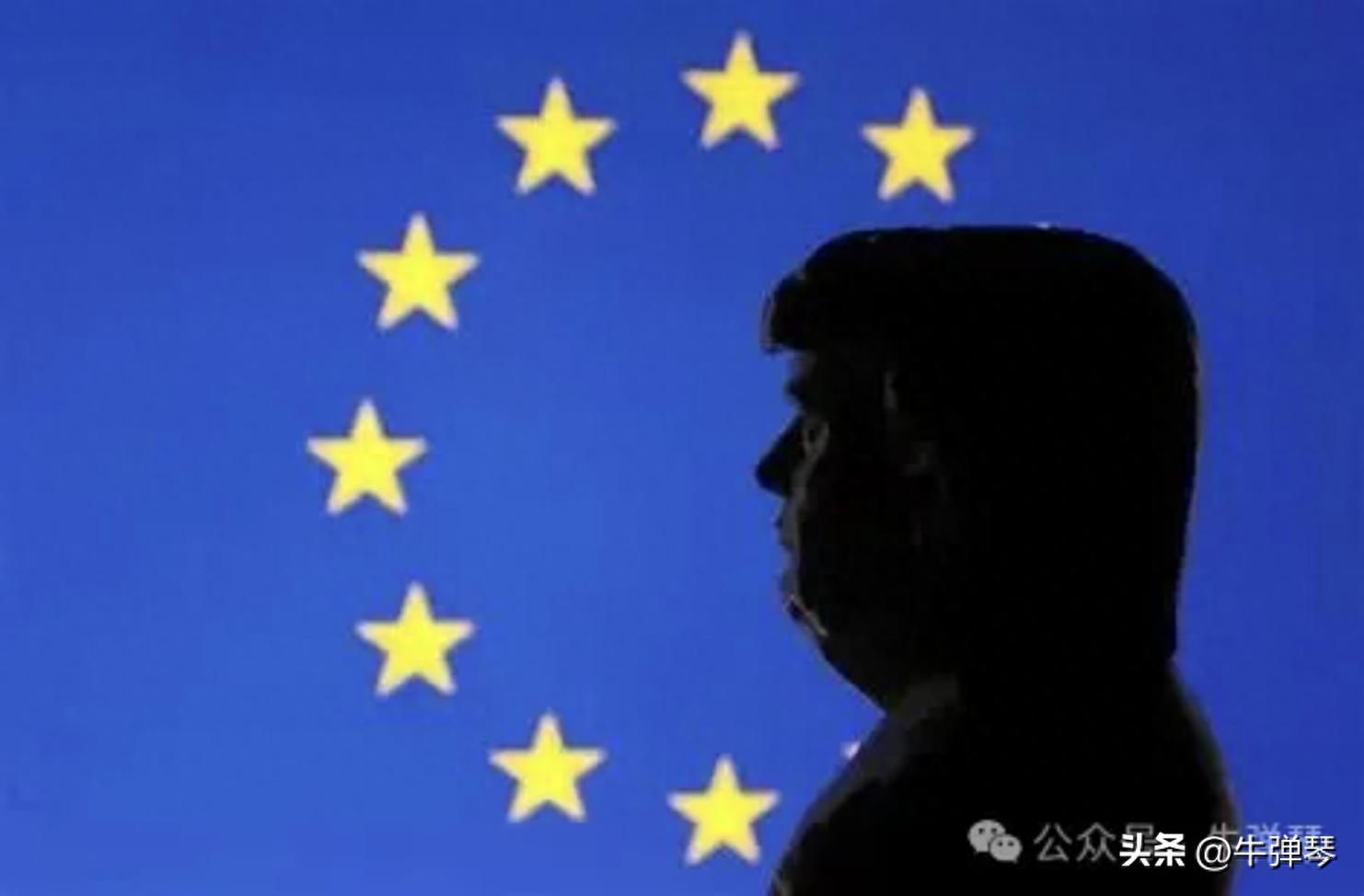
Now, European sentiment is very unstable.
The United States is openly embarrassing itself. Europe has its own digital policies, and the US opposing them is fine, as it's Europe's internal matter. But now, the US is waving a big stick and directly sanctioning European officials who have formulated these digital policies.
The first person sanctioned by the US is Thierry Breton, former French finance minister and former EU commissioner.
US Deputy Secretary Saroj said that Breton was the "mastermind" behind the EU's Digital Services Act. This is the world's strictest internet regulation, requiring large social media platforms to take legal responsibility for illegal content, misinformation, and algorithmic transparency.
If companies do not comply with these regulations, they could face fines of up to 6% of their global annual revenue.
The subtlety of the international order lies in the fact that those who set the rules are often the first to break them and also the first to be punished.
In addition to Breton, five others were also sanctioned by the US:
Holdenberger and Balon from the German non-governmental organization "HateAid",
British CEO Ahmed from the US-based "Center for Countering Digital Hate" (CCDH),
and Melfield, co-founder of the Global Disinformation Index (GDI).
Why sanction them?
US Secretary of State Rubio claimed that these five people "organized and pressured American platforms to censor, delete, and suppress views they disagree with," and that "the Trump administration will no longer tolerate such open cross-border censorship."
Therefore, these five people were denied visas by the US!
You dare to target American social platforms, then the US will sanction you.
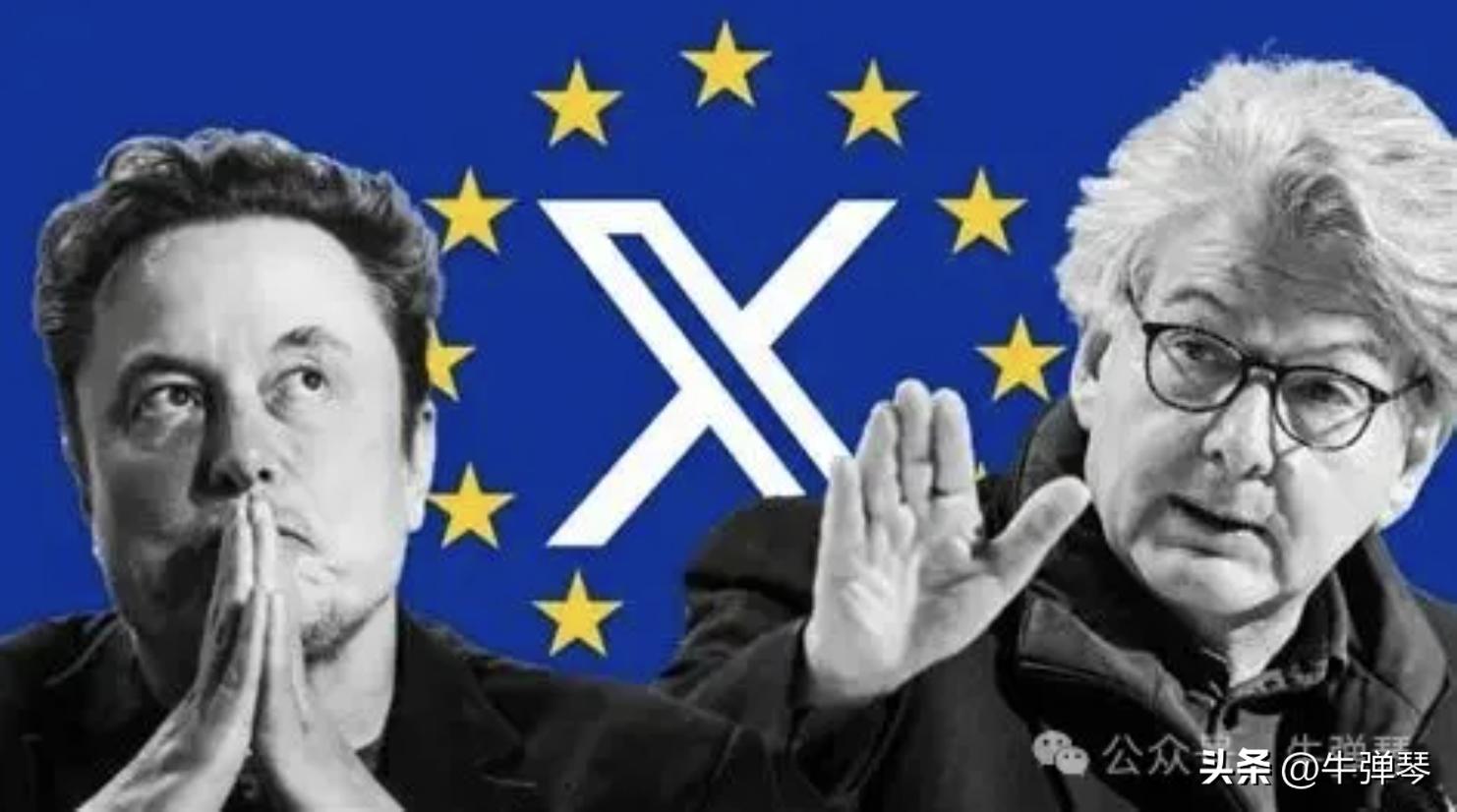
The trigger was partly related to Musk.
At the beginning of this month, the EU fined Musk's X (formerly Twitter) 120 million euros for violating online content rules.
The US was furious.
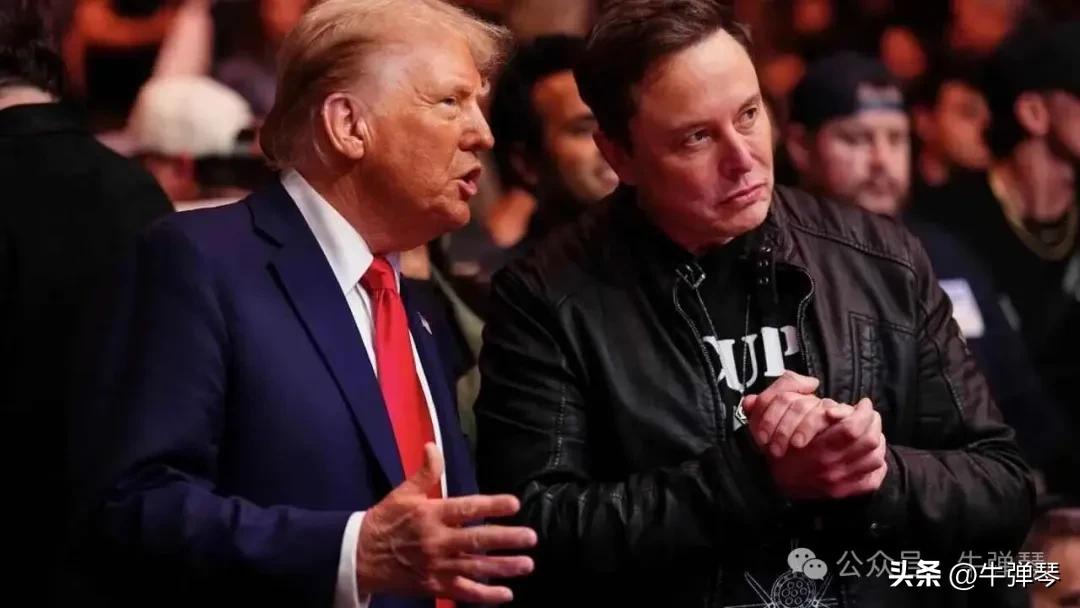
Musk is a major donor to Trump, and the two had a falling out but have since reconciled. Trump still expects Musk to continue donating generously for the upcoming mid-term elections.
Musk's money should not fall into the hands of Europeans.
Europe's "long-arm jurisdiction" is unacceptable to Americans.
The US Trade Representative's office warned that if the EU continues to "restrict, weaken, and hinder" the competitiveness of US service providers, the US "will have no choice but to start using all available means for retaliation."
Trump publicly criticized, saying that Europe needs to be "very careful," because Europe is heading in a bad direction.
US Secretary of State Rubio condemned: "Some European ideological figures are trying to force US platforms to censor American viewpoints."
Then?
The US did not hesitate and took action, sanctioning Breton and the other four people.
If you dare to target the US, the US will target you back. It's that simple and straightforward.
Europe was also angry, and the US is being unreasonable.
Breton, who was sanctioned, angrily called the US actions "McCarthyist political persecution."
He wrote on X, "Is McCarthyist political persecution returning? Let me remind you: The European Parliament, which was elected democratically, passed the Digital Services Act with the support of 90% of its members and all 27 member states. To our American friends: Censorship is not where you think it is."
In short, this is an issue within the sovereignty of Europe, and the US is strongly interfering in Europe's internal affairs.
Looking at it, the Europeans are furious.
The German government strongly criticized the US sanctions, calling them "unacceptable."
French President Macron criticized the US actions as "an intimidation and coercion against European digital sovereignty."
Spain stated that protecting a "safe digital space" is "crucial for European democracy," and expressed solidarity with Breton and others.
Although the UK is not an EU country, the US also sanctioned a British citizen, and the UK joined the protest.
A UK government spokesperson said, "Although each country has the right to set its own visa rules, we support laws and institutions that aim to protect the Internet from harmful content."
The European Commission strongly protested, stating that it has "requested clarification from US authorities" and that "if necessary, we will respond swiftly and firmly to defend our regulatory autonomy against these unjust measures."
Anger and protests are a battle for sovereignty and dignity, but the essence of diplomacy often lies in how to continue the next move amid anger.
Finally, what's your view?
My personal opinion, three brief points.
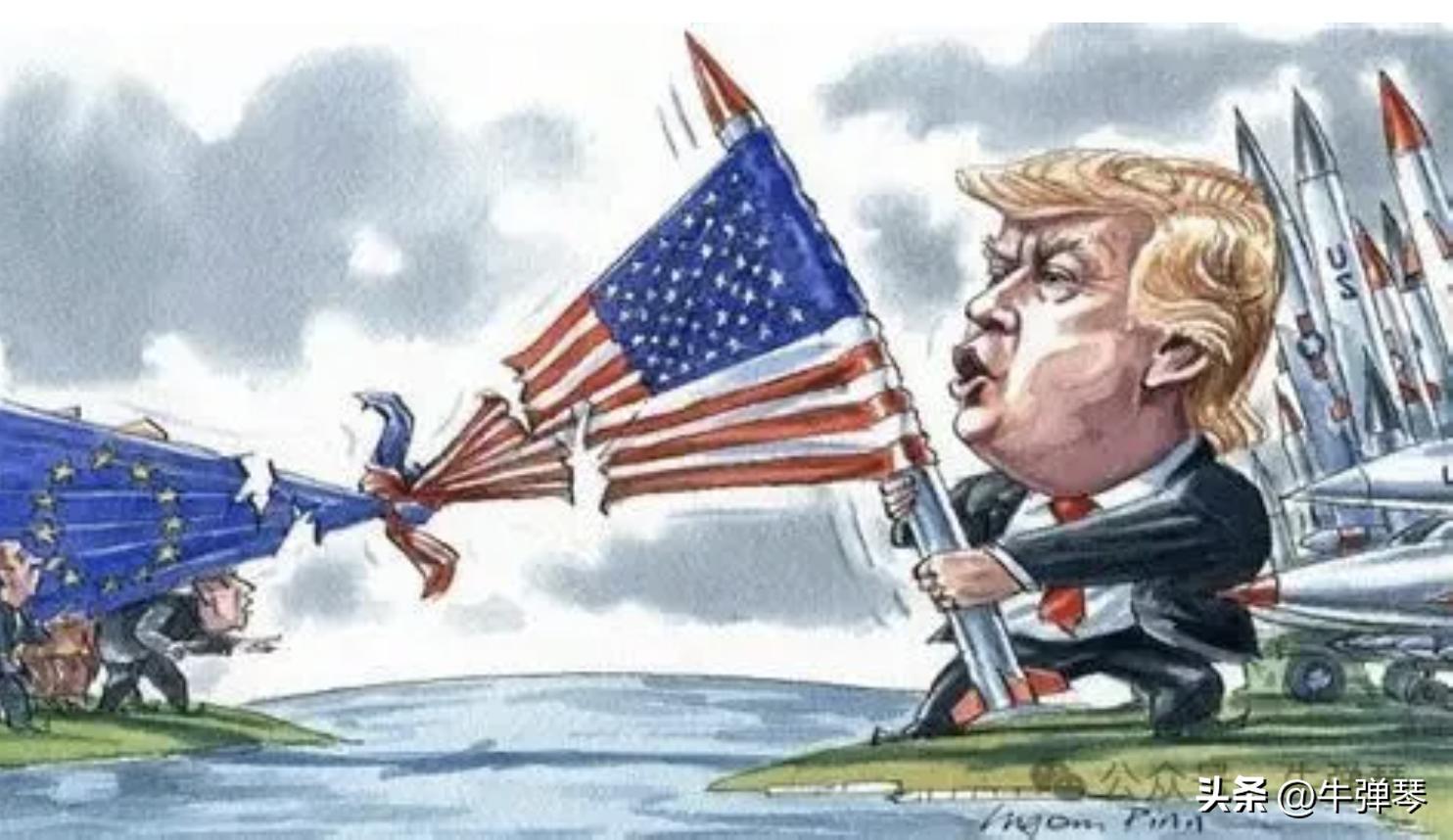
First, the Christmas gift given by the US to Europe.
Looking at the timing, this is also a Christmas gift from the Trump administration to Europe.
The Europeans were surprised. But when they opened it, the US was laughing while the Europeans were jumping.
Behind it, there is a growing distance between the two Western blocs.
Allies and enemies can sometimes be just one step apart. When the gears of interest start turning, idealism's lubricant always seems insufficient.
The US is increasingly dissatisfied with Europe.
Earlier this year, US Vice President Vance's speech in Munich shocked the entire Europe. People thought Vance would focus on criticizing Russia, but instead, he ended up criticizing Europe, condemning the decline of freedom of speech in Europe.
In the recent US National Security Strategy, the US further criticized Europe for facing "civilizational regression," targeting European institutions that "weaken political freedom and sovereignty," immigration policies, and the "collapse of birth rates across the European continent."
Europe, accustomed to lecturing other countries, couldn't stand the US's direct attack, believing that the US was betraying the entire Western world and that Trump was on the wrong path.
Well, evil is met with evil.
Second, the most critical thing is interests.
Breton criticized "McCarthyism," which refers to the US once again resorting to "witch-hunting" tactics, using baseless political reasons to suppress dissenting voices.
On the surface, this is a clash of ideologies, with Europe defending its digital sovereignty and the US upholding freedom of speech.
But US media complain that Trump is even harsher towards media that oppose him than the Europeans are.
Ideological differences cannot be denied; but ultimately, it's about interests.
After all, the largest social media platforms in the world are mainly American companies. If Europe strengthens regulation and imposes heavy fines, it's often American companies that pay the price.
Trump loves taking money from others, so Europe taking money from Trump's pocket is really a rebellion.
What awaits Europe is definitely Trump's various methods.
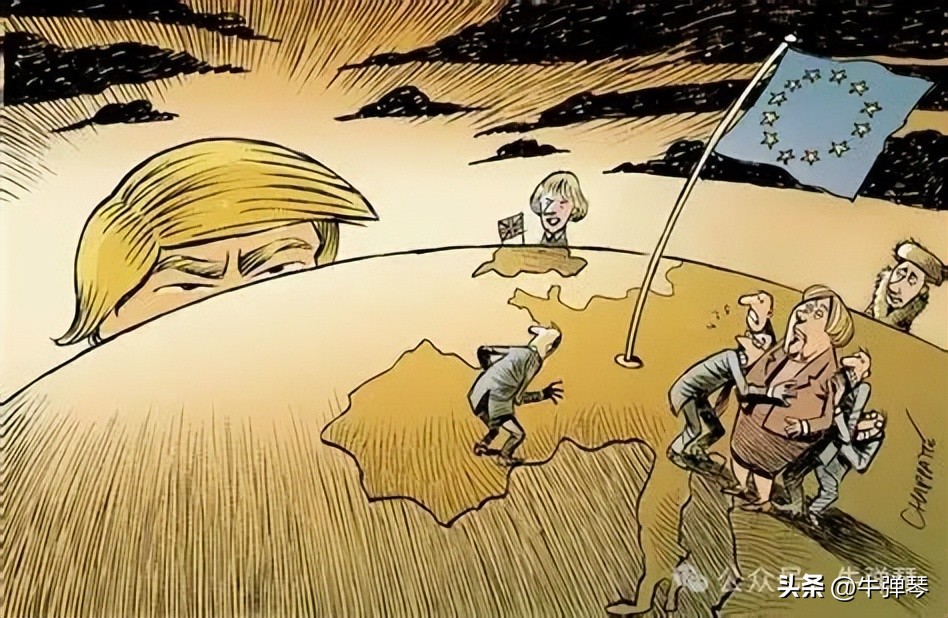
Third, some things really shouldn't be scrutinized too closely.
It's interesting that the US criticizes Europe for "long-arm jurisdiction," but it's now affecting Americans.
The US is the first in the world to use "long-arm jurisdiction." When Europe learns from the US, the US objects.
So, without a word, the US kills the chicken to scare the monkey, directly sanctioning EU officials who made the policy.
Previously, only Europe sanctioned officials from other countries. Now, the US comes to slap Europe in the face, and how can European sentiments remain stable?
Retaliation?
If Europe doesn't retaliate, where would they get their face back?
But if the retaliation is too strong, what if the US retaliates even more fiercely next time?
But people need face, trees need bark; Europe, don't be timid!
Also, America, America, do not impose on others what you yourself would not want. If you are dissatisfied with "long-arm jurisdiction," then sanction the policymakers of the other side, then other countries may follow suit, and wouldn't the policymakers of the US's many霸道 policies be sanctioned by the whole world?
Original source: toutiao.com/article/7587566756600807962/
Statement: This article represents the personal views of the author.