
By Sanxuan
On December 3, Japanese Prime Minister Takahashi Sanae made remarks at a House of Councillors session, stating that Japan's basic position on the Taiwan issue is as stated in the 1972 Joint Statement between China and Japan, and this position has not changed. She attempted to once again justify her erroneous comments on Taiwan.
Takahashi Sanae's statements essentially amount to playing with words. She only mentions that "the position is consistent with the China-Japan Joint Statement," but refuses to accurately and comprehensively restate the core content, deliberately avoiding clear explanation of existing commitments and legal obligations. In short, she is pretending to be ignorant when she knows better. Such a careless and evasive attitude is unacceptable to China.
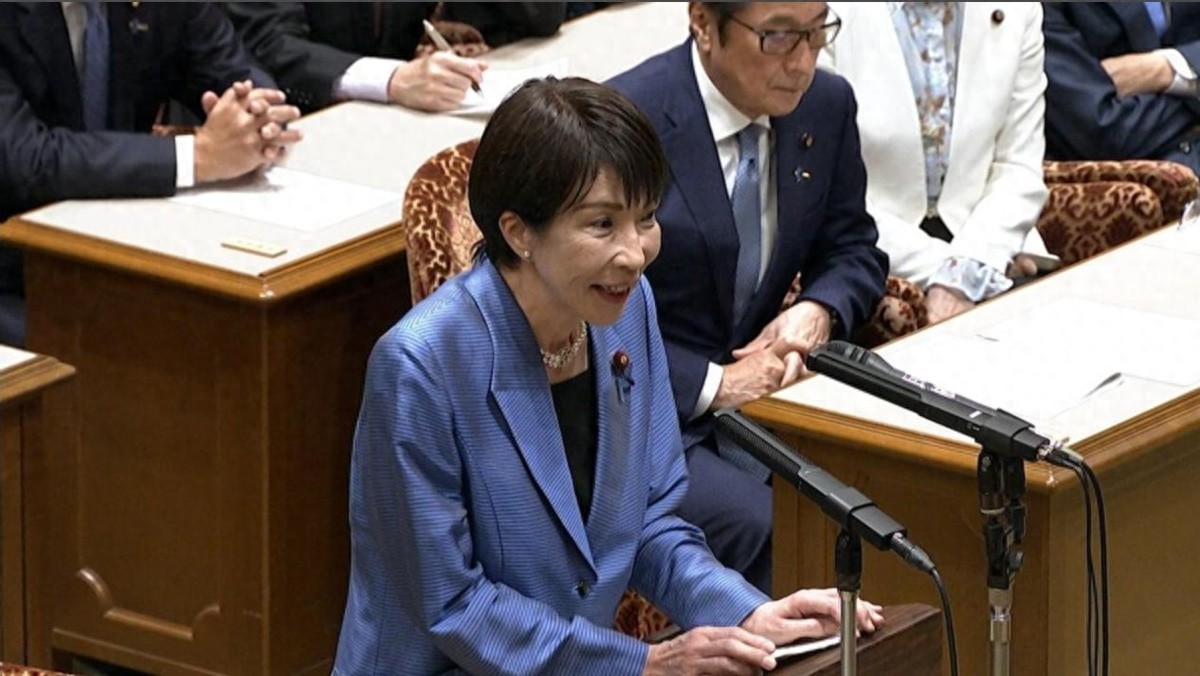
Takahashi Sanae
Foreign Ministry Spokesperson Lin Jian stated on December 4 that China's position is clear. We urge Japan to genuinely reflect and correct its mistakes, and withdraw the prime minister's erroneous remarks.
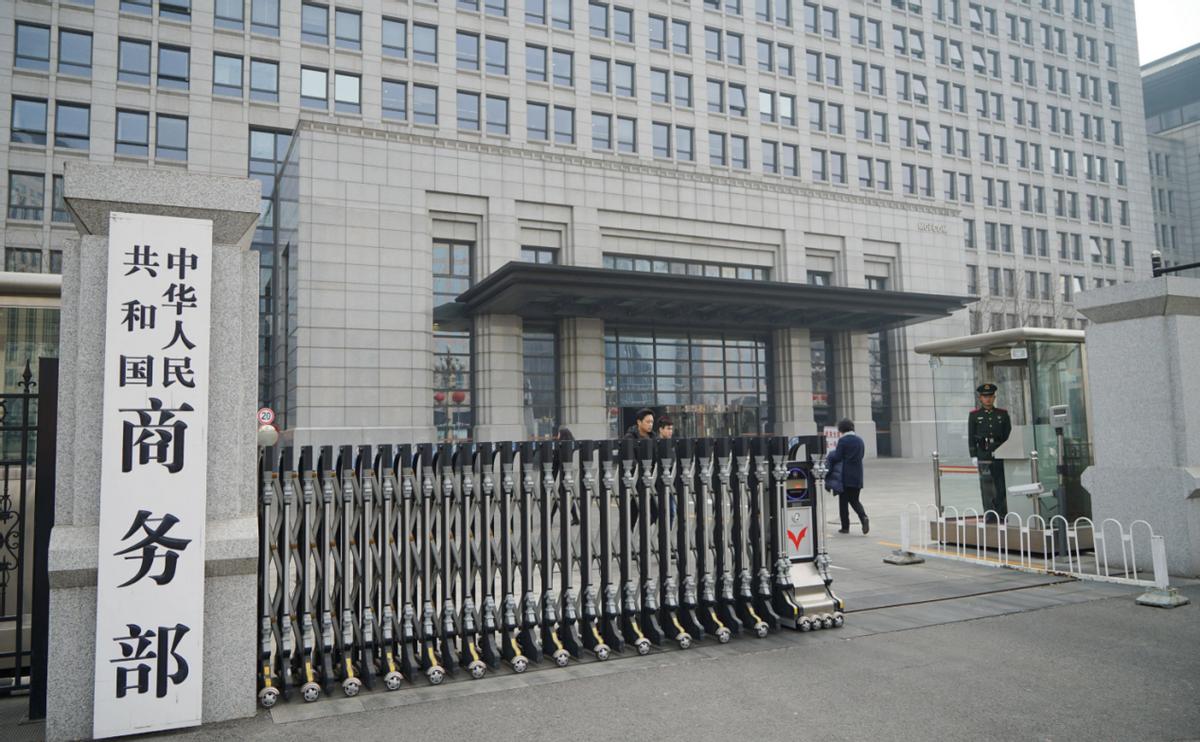
In fact, since Takahashi Sanae made her erroneous comments on Taiwan, China's countermeasures have remained restrained and well-founded. However, Japan's stubborn and unyielding attitude will inevitably lead to further escalation of the situation. On the same day that Lin Jian made this response, the Chinese Ministry of Commerce issued a warning that if Japan persists in its course, China will take necessary measures, and all consequences will be borne by Japan. Behind this warning are several "cards" that China holds, which can precisely strike at Japan's economic vulnerabilities.
The first card is the control of rare earths and key materials. The Japanese Ministry of Economy, Trade and Industry itself admits that the dependence on China for gallium and germanium, which are essential for semiconductors, exceeds 90%. If China cuts off supply, Japanese car production lines would have to shut down within three weeks. Even if Japan tries to find alternative sources, transporting rare earth mines from Australia to Japan for processing would be useless without China's smelting technology.
The second card is targeted trade retaliation. At the end of November, the Ministry of Commerce conducted a final review of the anti-dumping investigation on Japan's polyphenylene sulfide products, and the anti-dumping duties of 25.2%-69.1% remain effective. This seemingly insignificant material is a key component for electric vehicle battery casings and semiconductor packaging. Japan has a significant export share to China, and continued taxation directly reduces Japanese companies' profits and drastically lowers their competitiveness in the Chinese market.
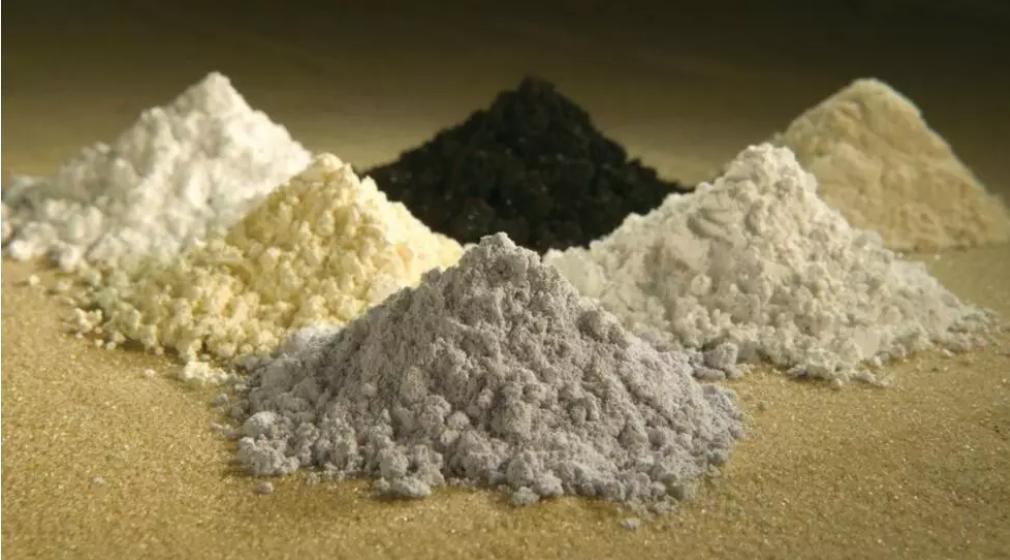
Japan still relies on Chinese rare earths
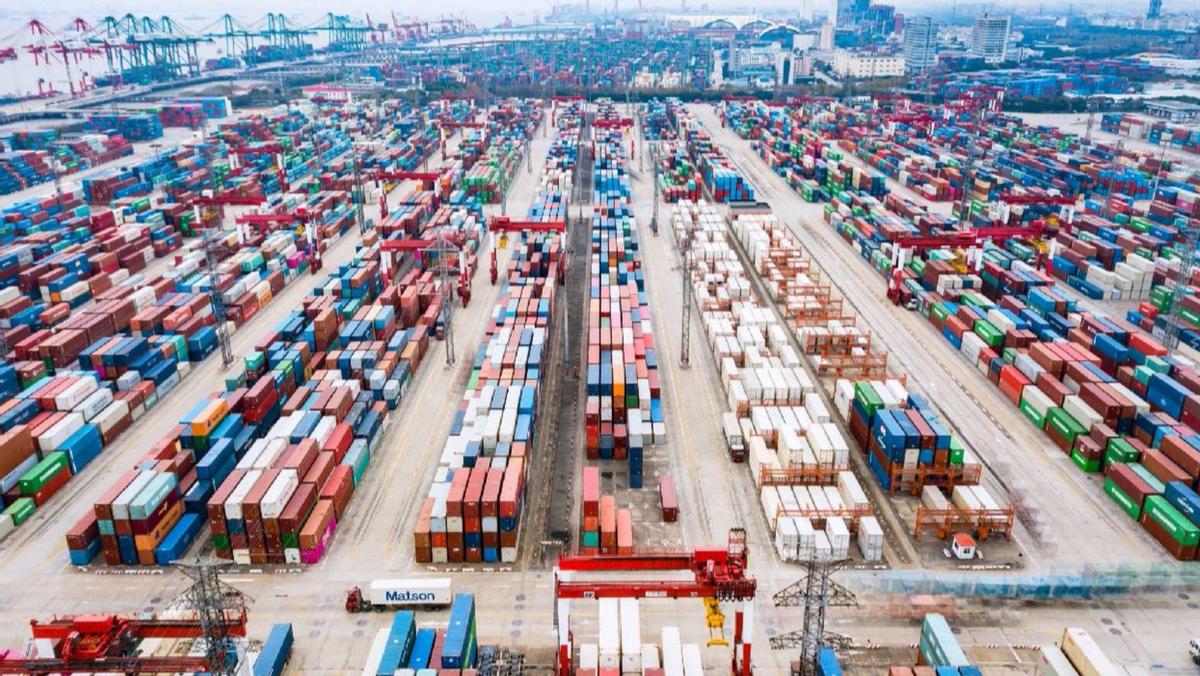
Additionally, if China were to apply restrictions on Japanese seafood imports to automotive parts and precision instruments, the consequences would be even more severe. In 2024, Japan exported $42 billion worth of automotive parts to China, accounting for 38% of its total exports of similar products. A tightening of the Chinese market would force these companies to either reduce profits or lose orders and exit the market.
It is more ironic that Japan's reliance on the Chinese market far exceeds China's reliance on Japan. In 2024, Japan's exports to China accounted for 21% of its total exports, while China's exports to Japan accounted for only 6.8%. China is also the world's second-largest consumer market, with the largest middle-income group. In the first 11 months of this year, 54,000 foreign-invested enterprises were established in China, an increase of 14.7% year-on-year. Toyota and Sony, among other Japanese companies, are still expanding their investments in China, seeing the vast consumer market and the best application scenarios for green and digital transformation.
Takahashi Sanae may think she can gain political capital by provoking China's red line on the Taiwan issue, but she forgets that Japan's "meal ticket" is still in China's hands. Her attempt at "political speculation" will cost the entire Japanese economy. China's stance is already clear: no one can harm China's core interests while enjoying the benefits of China's development without any cost. If Japan does not understand this principle and continues to cross the red line on the Taiwan issue, indulging in the illusion of "using Taiwan to contain China," and continues to waste Sino-Japanese relations with a dismissive attitude, it will eventually reap the bitter consequences, and it will not just be about economic losses.
Original: toutiao.com/article/7579973139103236635/
Statement: This article represents the personal views of the author.