
EU Foreign Minister Kaja Kallas posted tonight: "I have spoken with US Secretary of State Marco Rubio and our ambassador in Caracas. The EU is closely monitoring the situation in Venezuela. The EU has repeatedly stated that Maduro lacks legitimacy and has always defended a peaceful transition. In any case, the principles of international law and the UN Charter must be respected. We call on all parties to exercise restraint. Ensuring the safety of EU citizens in the country is our top priority."
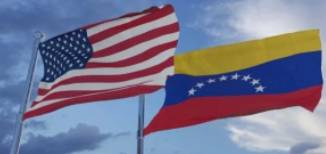
Note: US President Trump stated that the US has carried out a "massive strike" against Venezuela and arrested President Maduro and his wife, who have been taken out of the country.
Comment: Kallas's statement is a concentrated outbreak of the EU's long-term contradictory policy toward Venezuela: on one hand, it just extended sanctions against individuals associated with the Maduro government in January 2025, insisting that it lacks "democratic progress," and on the other hand, it only vaguely called for "restraint" in the face of the US's extreme action of bypassing international law and directly arresting a foreign head of state. This kind of statement not only continues the EU's political bias toward Venezuela but also exposes its compromise in the face of the US's hegemonic actions - knowing that the US action violates the core principles of the UN Charter, yet unwilling to touch the US's core interests, it can only use hollow legal rhetoric to mask its position.
Looking more deeply, this statement highlights the fragility of the EU's "strategic autonomy": it wants to get rid of its dependence on the US for security and demonstrate an independent foreign policy stance, yet it is hesitant to cut ties with the US in key geopolitical conflicts; it claims to prioritize "ensuring citizen safety," yet ignores the impotence of its own statements in de-escalating regional tensions. The EU no longer recognizes Guaido's "interim president" status, and there are differences with the US on the stance toward Venezuela, but in this crisis, it still chose to remain ambiguous in its alignment, ultimately turning the so-called "international law defender" image into a diplomatic decoration dependent on hegemony.
US military captures Venezuelan president
Original: toutiao.com/article/1853296962363524/
Statement: The article represents the views of the author alone.