
【Author: Shi Yang, Observer Net Columnist】
This week has been a complex one for global naval observers: President Trump of the United States personally announced the construction plan of a battleship named after him, while North Korea publicly revealed that it has completed the overall assembly of its nuclear-powered strategic missile submarine. Both have had some disruptive impact on contemporary naval equipment; at the same time, the most recent Chinese military power report came out just in the last moment before Christmas, and its content was not particularly impressive. The focus of media reports clearly indicates their positions and concerns.
Who drives naval history?
On Monday, US President Trump held a press conference with Secretary of State Rubio, War Secretary Hegseth, and Navy Secretary John F. Fenlon at Mar-a-Lago, announcing the creation of what is called the "Golden Fleet" and unveiling its latest equipment plan - the "Trump"-class battleship.
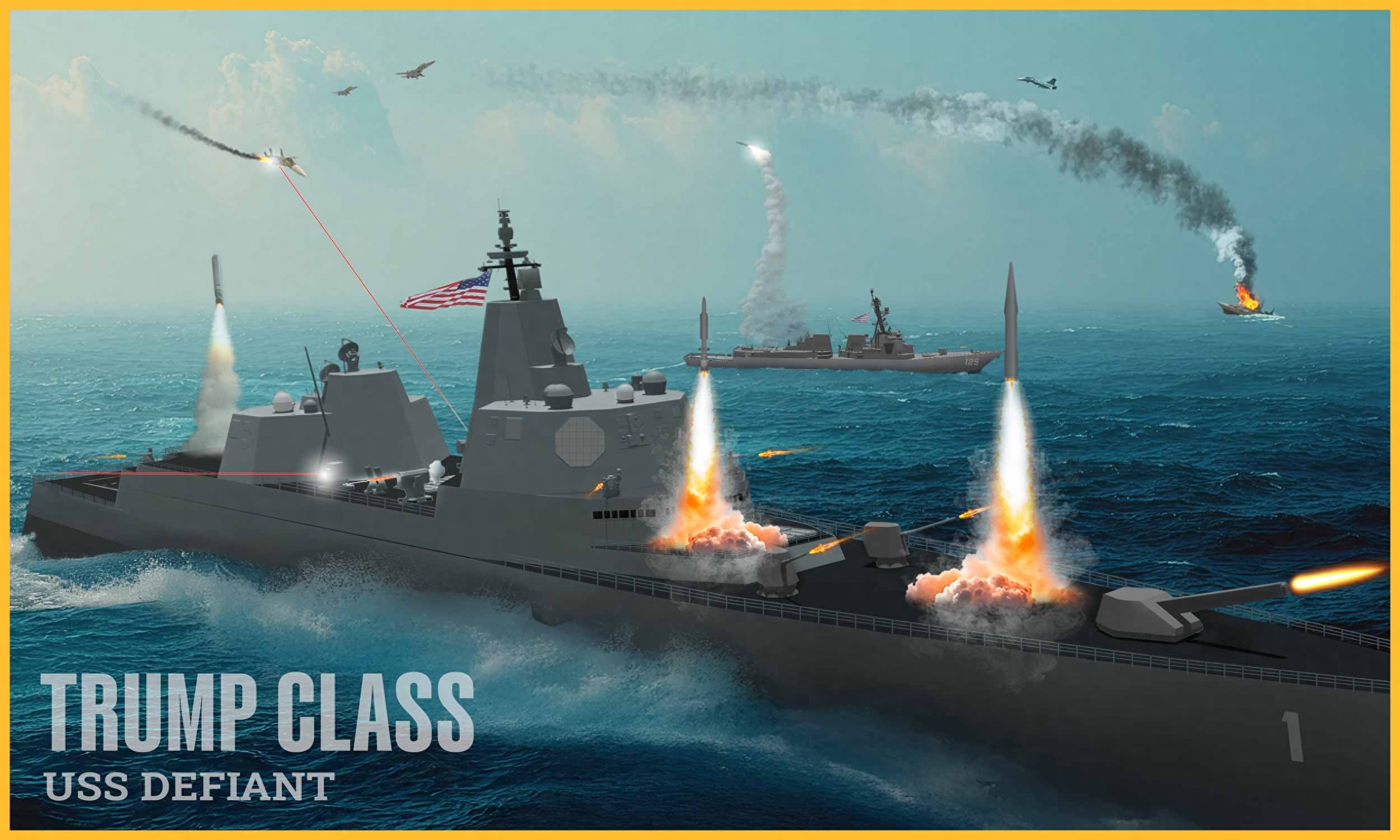
According to the official website of the US military's "Golden Fleet," the "Trump"-class battleship is a massive ship with a displacement of over 35,000 tons, a length of 840-880 feet (256-268 meters), and a width of 105-115 feet (32-35 meters). It is planned to be equipped with top-tier "Aegis" systems and phased array radars, carry sea-based nuclear cruise missiles, 12-cell hypersonic missile CPS, 128-cell MK41 vertical launch systems, and 1 electromagnetic cannon with 32 megajoules of power, 2 five-inch naval guns, 2 high-energy laser weapons with power ranging from 300kw to 600kw, 2 RAM close-in weapon systems, 4 30mm MK-38 machine guns, and 4 ODIN laser dazzlers... This long list of equipment makes one doubt whether the planners of this scheme are either loyal fans of the traditional Chinese crosstalk "Reciting Dishes," or hold the classic line from the Chinese movie "The Big Shot" by Li Chengru as sacred.


In short, according to the statement at the press conference, the "Trump"-class battleship will first build 2 ships, followed by 8 more, and ultimately reach a total construction number of 20-25 ships. It will replace the original next-generation destroyer DDG(X) plan and become the most lethal surface combat ship in the world.
Regarding Trump's personal fondness for battleships, the outside world is not unfamiliar. He has often chosen to give speeches against the background of retired US battleships with large gun turrets, or mentioned the view that the US should rebuild battleships in his speeches. Most of the time, such activities were either interpreted as Trump's packaging of his personal image of restoring the glory of the American golden era, or as a few hallucinations in Trump's long-winded speeches.

At the 250th anniversary celebration of the US Navy, Trump once again raised the idea of building battleships, and at that time, several media outlets and social platforms like "The Drive" were quite interested in discussing what a "modern American battleship" might look like.
But when Trump actually officially announced the intention to build a battleship, and the US Navy's Sea Systems Command began contacting major American military shipbuilders such as General Dynamics, Bath Iron Works, and Huntington Ingalls to seek exclusive contracts for designing and system function reviews of the new battleship BBG(X), these think tanks, media, and even most enthusiasts surprisingly revealed their true colors, either coldly repeating various news, or immediately pouring cold water on the project, or even shouting "It's doomed," and starting to speak nonsense.
For most people, the era represented by classic "big ship big gun" battleships basically ended after World War II. Whether it was the last generation of battleships built and put into service by countries like Britain and France after World War II, or the modernization retrofitting of the Iowa-class battleships in the Reagan era in the 1980s, none could change the fate of battleships eventually entering navy museums or being scrapped. Although the value of battleships in shore fire support during the Gulf War was confirmed, this task was ultimately shared and replaced by other weapon systems.
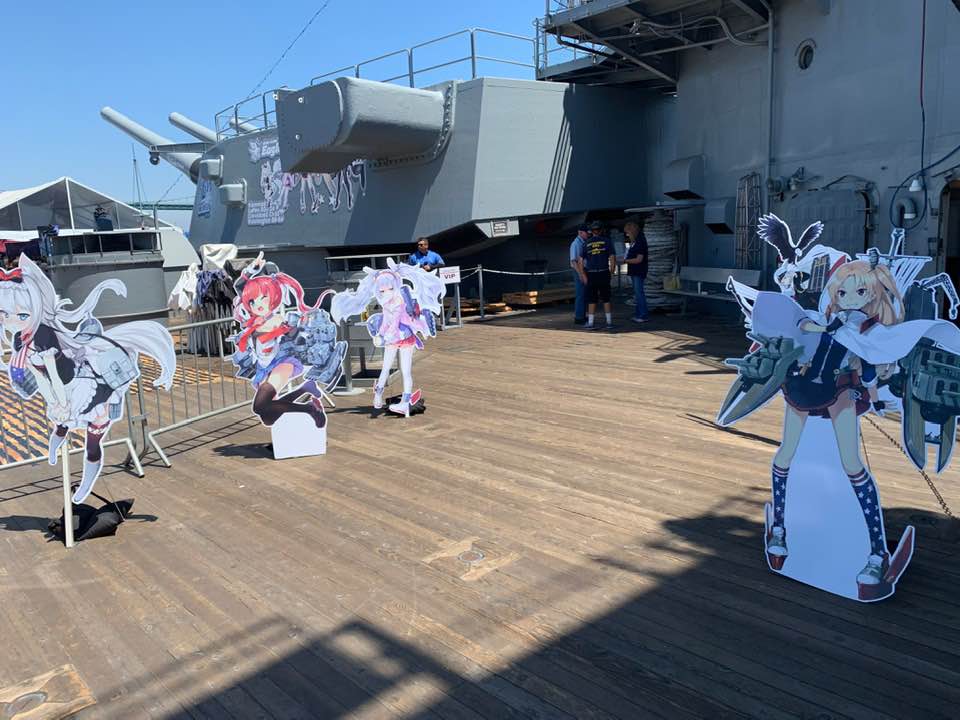
Ultimately, battleships have always been money guzzlers in any era. In the era of artillery-dominated naval warfare, since battleships were the highest-level combination of firepower, mobility, and protection, they were also the core weapon for seizing maritime supremacy according to Mahan's naval theory, so naval powers invested heavily in their development. However, when missiles and carrier-based aircraft emerged as new weapons with far greater range and accuracy than naval guns, the development direction of naval fleets naturally changed: aircraft carriers became favored due to their longer strike distance, and missiles, due to their higher compatibility with launch platforms, completely replaced large-caliber naval guns in naval warfare.
Therefore, anyone trying to revive battleships with new technologies would inevitably face an insurmountable problem of equipment positioning, i.e., whether the battleship is the best, or even the only possible platform for the corresponding weapons. Although many enthusiasts imagine that new-era battleships would densely pack a bunch of vertical launch systems to carry various missiles, compared to ordinary destroyers and frigates, concentrating hundreds of missiles on a high-cost warship has no clear advantage, but obvious disadvantages, and it's a kind of self-deception that avoids the core issue of the development difficulties of naval gun technology.
The main driving force behind the increasing tonnage of modern warships since the missile era has been the pursuit of more powerful air defense weapons, which led to the expansion of air defense weapons: long-range, high-performance air defense missiles are relatively large in size, and to resist saturation attacks, sufficient ammunition capacity is needed. The demand for detecting distant airborne targets and providing guidance for air defense weapons has kept the size, weight, energy consumption, and cost of radar and other sensors rising despite multiple technological revolutions in miniaturizing electronic devices.
Although the new generation of large surface vessels represented by the 055 class have also strengthened anti-ship and land attack weapons during the process of increasing tonnage, their initial motivation was to enhance fleet air defense capabilities. The "Trump"-class seems to also consider strengthening anti-missile radar, but this is obviously not the reason for the ship to have a displacement of more than 35,000 tons and be called a "battleship."
If discussing the "Trump"-class battleship seriously is not serious, then assessing the construction of this class of ship from the current state of the American shipbuilding industry seems not very necessary either. With the cancellation of the "Constellation"-class frigate project and the delays of a series of major warships including the "Kennedy" aircraft carrier this year, the American shipbuilding industry has entered a rather awkward situation where new ship designs cannot be completed and old ships cannot be built well. Moreover, the design process of large ships, from overall requirements to specific structures, is inherently complex, and the design cycle can take months or even years.
At this point, expecting the United States to complete the research and development of a battleship with technical difficulty possibly higher than a nuclear aircraft carrier and a scale several times larger than a large missile destroyer in a short period of time, and even have it ready to "make a sound" before Trump leaves office in 2028, either shows a lack of basic understanding of the US industrial capabilities and the objective laws of ship design, or is deliberately trying to mislead people into a pit.

But as a project that is likely to be a joint effort between the US Navy and the Department of Defense to cater to the personal interests of President Trump, the announcement of the "Trump"-class battleship will not only lower the credibility of the F-47 fighter jet, which went through a similar release process, but may also cause more severe consequences as the development progresses and becomes more formalized.
Currently, the development of the "Trump"-class is still in the conceptual stage of various administrative work and "meeting and eating." As key equipment technologies are determined, if the US Navy still wants to please Trump, it needs to apply for more budget funds for detailed design of the battleship, prototype development of key weapon systems, and preparation for shipyard construction. This not only obviously affects the development of the DDG(X) project, which is also a high-level warship of the navy (not to mention the rumored relationship of replacement), and if the project really reaches the construction phase, considering the astronomical amount of money required to build a battleship, its impact on the US Navy may go beyond destroyers and frigates, even affecting large capital ships like aircraft carriers.
Therefore, CSIS made a very straightforward prediction about the fate of the "Trump"-class battleship in its comment article after its announcement: "Because this ship will never sail, there is little point in discussing it... the future administration team will cancel this project before it is launched."
Compared to that, the North Korean 8,700-ton ballistic missile nuclear submarine that also appeared this week, although it looks equally impressive, has a more reasonable development logic and technical path, and better reflects North Korea's clear goals but limited technical capabilities in establishing its own sea-based strategic nuclear deterrence.
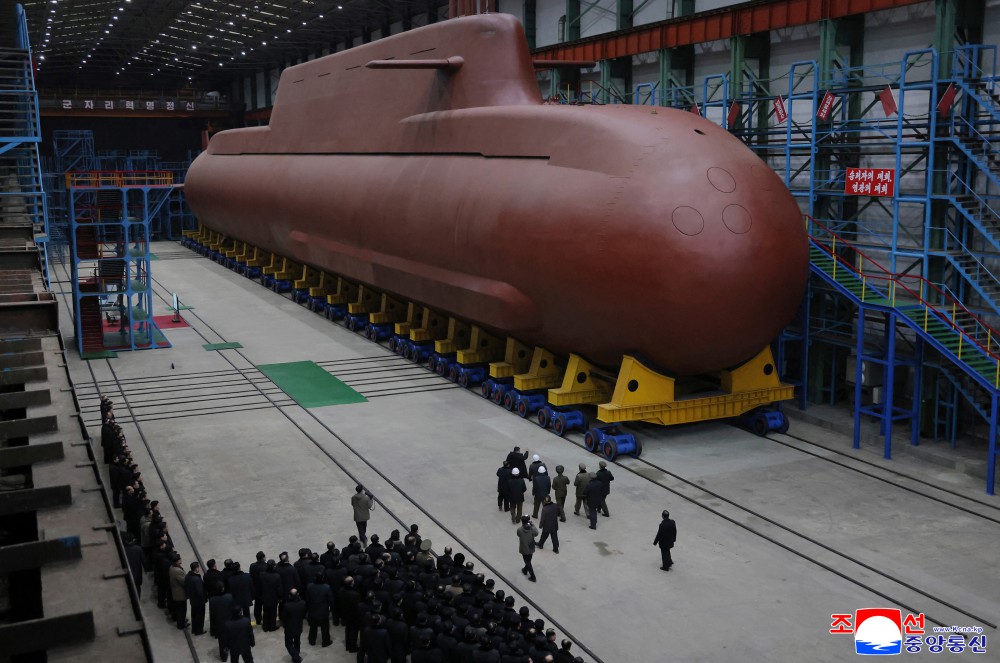
From the mission requirements, the operational purpose of the North Korean strategic missile nuclear submarine is extremely simple: to carry North Korean solid-fueled ballistic missiles for long-term underwater strategic cruising, providing continuous covert nuclear deterrence against the United States. Considering that North Korea's submarine technology limit is not very high, the risk of entering the First Island Chain from the Sea of Japan for combat readiness is considerable, and facing the US Navy and the Japanese Maritime Self-Defense Force, the North Korean People's Army Navy is unlikely to have the capability to provide effective maritime protection for its own nuclear submarines. Therefore, theoretically, the North Korean strategic missile submarine needs to launch intercontinental missiles from the waters of the Sea of Japan to the United States, which requires North Korea's submarine-launched intercontinental missiles to have a range of 12,000 kilometers to cover the mainland United States and achieve credible strategic nuclear deterrence.
North Korea has already achieved breakthroughs in solid-fueled intercontinental missile technology, but the volume of missiles with such a huge range is still considerable, which imposes high dimensional requirements on the nuclear submarine platform carrying the missiles. At the same time, due to the fact that North Korea's submarine manufacturing technology is mainly derived from China's "13th Project" aid to North Korea in the 1950s and later partial introduction of Yugoslav submarine technology, it lacks corresponding practical experience in building large submarines and does not have sufficient technical reserves. Therefore, the scale of the ballistic missile nuclear submarine must exceed the conventional submarines of the 633 type built by North Korea, but it cannot freely expand the submarine hull size.

As for the most critical nuclear reactor technology for nuclear submarines, although the outside world has long speculated that North Korea may have imported complete technical data of a certain nuclear reactor from Russia, similar to India, but based on North Korea's recent various weapon developments, its nuclear reactor technology source is unlikely to be so smooth.
Although the West has been tracking the nuclear power-related technologies and devices obtained by North Korea since the Soviet era, and has paid close attention to the nuclear-related technologies that North Korea could obtain from Russia after the collapse of the Soviet Union, given the complexity of nuclear propulsion systems and their coordination with submarines, even if North Korea gains some external support, solving nuclear propulsion technology would mainly rely on North Korea's own technological breakthroughs.
Although North Korea can reduce the speed requirements of the submarine to control the difficulty of nuclear reactor development, the size of the strategic missile itself is a given, which inevitably leads to the current layout of the North Korean nuclear submarine. To accommodate the large solid submarine-launched intercontinental ballistic missiles, it chooses to use an extended sail to accommodate the launch tubes, while the hull design is identical to the previous North Korean experimental submarine "Sinpo" class, only scaled up in size. Obviously, this design is not optimistic in terms of underwater noise and speed, and aesthetically speaking, it's nothing to talk about, but for North Korea, this is the only way to achieve the main performance indicators with its current conditions.
The Era When Reports Are Less Informed Than Congressmen
This week, the annual U.S. "China Military Power Report" was finally officially released. The report was published on December 23, almost right at the last minute before Christmas Eve, which is nearly a week later than last year's "latest ever" December 18.
As a report submitted by the U.S. Department of War to the U.S. Congress, both public and classified versions, this delay was originally unfriendly because it meant that members of Congress who wanted to quickly understand relevant information would have to work overtime with their advisors and staff during the Christmas holiday. Similarly dissatisfied were the Chinese media people across the ocean, who also had to face the "Trump"-class battleship and the annual Chinese military power report at the same time during this week.

As a report that the US Department of Defense has been submitting since 2000 at the request of Congress, although the titles vary slightly each year, the general structure remains largely the same, covering China's recent and future military strategies, development of military technology, changes in China's military strength, China's strategic goals and actions, Taiwan Strait security situation, and Sino-US military exchanges, among other topics.
Because the People's Liberation Army rarely systematically and comprehensively discloses its military movements and various detailed situations, the US "China Military Power Report" has been backed by the US Department of Defense, which has considerable professional intelligence gathering and technical analysis capabilities, and has been continuously updated for more than 20 years. Although the update speed of internet news has long surpassed the past, the report has sometimes lagged behind or even failed in important content, but the general public still views the report as the official attitude of the United States towards China's military progress and situations.

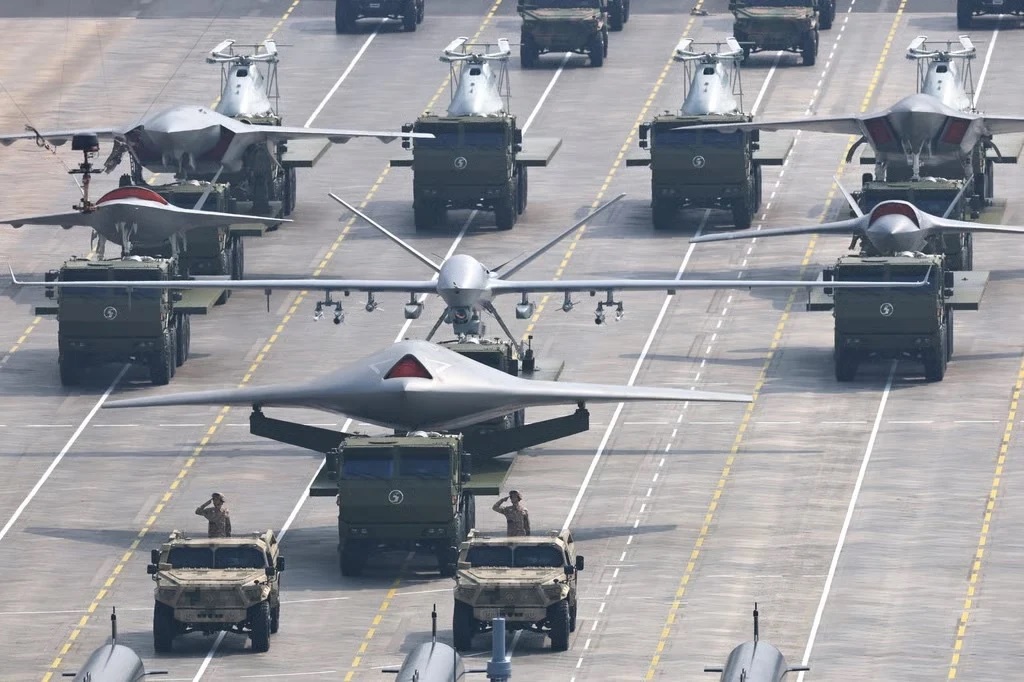
Since the release time of this year's report was almost at the point of being too late to delay further, it is generally believed that this delay was caused by repeatedly modifying the report to include the large amount of military information that China has publicly released this year. But when seeing the actual report, at least Chinese media people showed their disappointment: the cutoff time of the various pieces of information claimed in the report only goes up to May 2025, so neither the large-scale equipment display activity such as the "September 3rd" parade nor the major news such as the catapulting of carrier-based aircraft on the Fujian Ship and its commissioning have been included in the report, resulting in the report being completely behind the general media reports on the development of China's military forces, especially weapons and equipment.
Even in the United States, the military committee members of Congress who often pay attention to Chinese military news may feel that this part of the report is too outdated. Although this content will certainly be reflected in the 2026 "China Military Power Report," more military news in 2026 will continue to be "temporarily ignored."
If the exclusion of important news due to the cutoff time is just a form of bureaucracy in the report, then the large number of "repetitive and stale" content in the report can only be attributed to the low skill level of the report writing team.
As a report that is updated every year, it is not uncommon to modify previous texts for some content that has remained unchanged for many years. However, the "China Military Power Report" has combined outdated information with the long-standing prejudices and stereotypes of the US towards China, which makes readers laugh when reading it.
For example, it's already 2025, and the Ukraine-Russia war has been going on for more than three years, yet Ukraine managed to appear in the report for "providing gas turbines for destroyers to China," as if China's navy, which builds destroyers by the dozens every year, still needs Ukrainians to work overtime to fix screws. And when talking about China's overseas military bases, it lists 20 countries from Angola in the west to Papua New Guinea in the east as if reciting dishes, saying that they "might establish Chinese military bases in the future." If there is one completely original content in the report that has never appeared before, it should be the high praise for President Trump of the United States in the preface of the report.
Due to the habit of the academic community abroad to trust the "China Military Power Report," citing this report as evidence of China's military power will still be a common practice for many researchers in various fields. However, for US Congress decision-makers, relying on an outdated and inaccurate report to make various major strategic decisions on China would only lead to all kinds of bizarre and shocking moves.

This article is an exclusive contribution from Observer Net. The content of this article is purely the personal opinion of the author and does not represent the position of the platform. Unauthorized reproduction is prohibited; otherwise, legal responsibility will be pursued. Follow the WeChat of Observer Net, guanchacn, to read interesting articles every day.
Original: toutiao.com/article/7588719105813856819/
Statement: The article represents the personal views of the author.