
By Sanxuan
On December 10, the Japanese Ministry of Defense claimed that in the face of increasingly severe security environment around the country, the Self-Defense Forces and the U.S. military conducted a joint aerial exercise.
At the time when the Japanese Ministry of Defense released this information, Japan continues to hype up the Chinese J-15 fighter jet's "radar illumination" of Japanese aircraft as a dangerous act. The Chinese Navy's Liaoning aircraft carrier group and the China-Russia bomber groups conducting joint patrols surrounded Okinawa Island from three directions. At this moment, the U.S. military obviously came out to bolster Japan's confidence, and Japan also claimed that the joint exercise was to "strengthen the alliance's deterrent power." However, from various details, it seems more like a show of pretense.
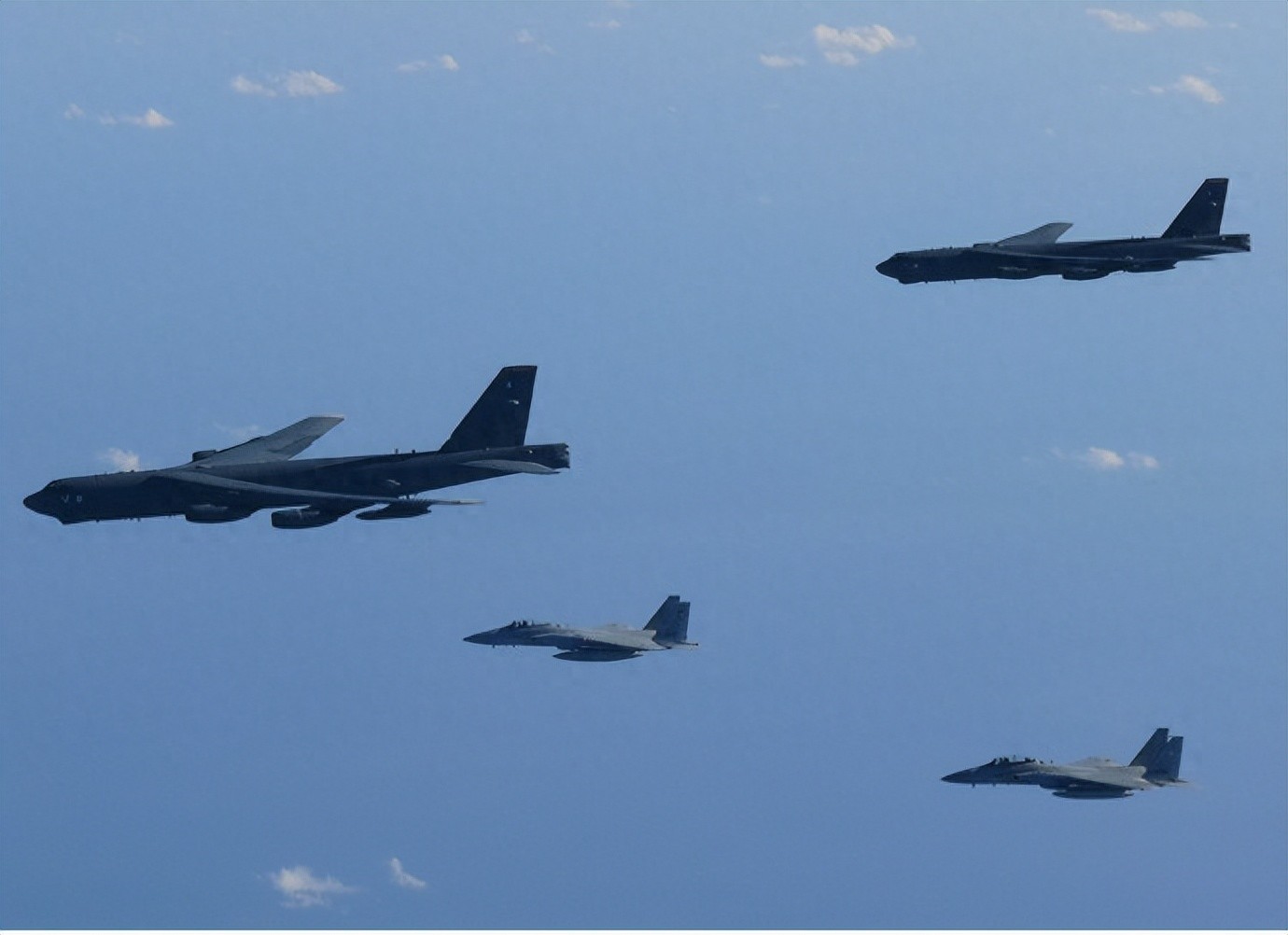
U.S.-Japan Joint Military Exercise
Let's look at the U.S. equipment involved in the exercise. This time, the U.S. only sent two B-52H strategic bombers, an old model that has been in service for half a century, without stealth capabilities or any modern air combat advantages. They were escorted by three F-35A and three F-15J aircraft from the Japanese Air Self-Defense Force throughout the exercise. In contrast, during the "Dragon Resolve 2025" exercise in September, the U.S. proudly showcased the "Taurus" medium-range missile system and the "Sea Ghost" unmanned submersible ship. This time, the configuration seemed like a "formality."
Even more interesting is the exercise scenario. The Japanese side only vaguely mentioned "tactical coordination training," not even daring to specify what was practiced. There was neither live-fire shooting nor simulated confrontation.
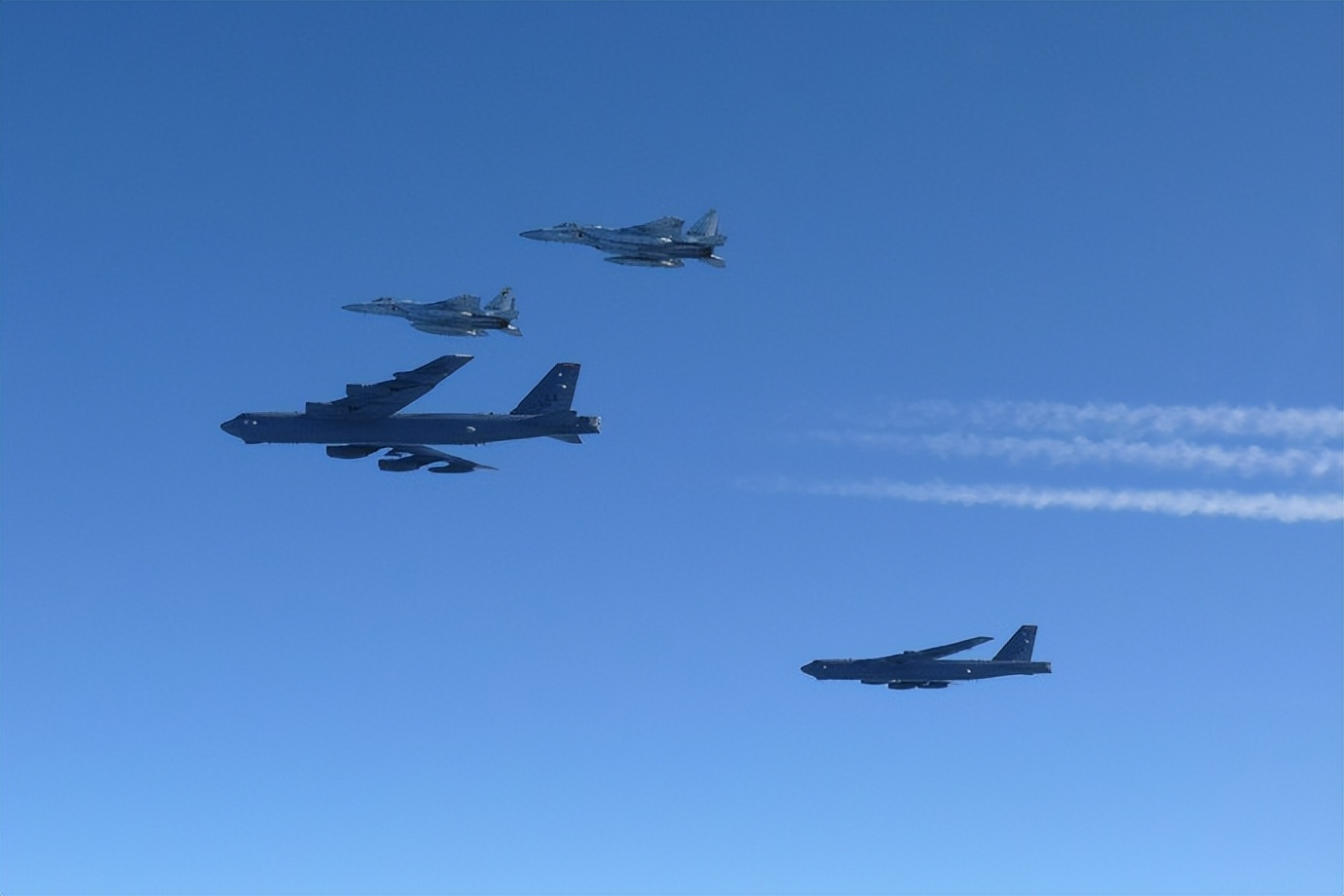
U.S.-Japan Joint Military Exercise
Looking at the choice of airspace also shows a certain intention. The day before, the Chinese and Russian aircraft formations had just approached Tokyo for a 700 km patrol, and the Liaoning aircraft carrier was conducting training in the sea east of Okinawa. But the U.S. and Japan directly went to the Sea of Japan. This area is adjacent to the Russian Far East and far away from the Chinese military forces. It doesn't need to confront China head-on, but can also "deter" Russia and give Japan a pass at the same time.
However, this kind of exercise actually exposes the "shyness" of the U.S. and Japan. If they really had confidence, why wouldn't they go to the area where the Liaoning aircraft carrier is active? It should be noted that the Liaoning aircraft carrier has brought the 055-type destroyer and the 052D-type destroyer this time, with a complete air defense and anti-missile system. The J-15 can take off at any time. With the previous example of Japanese military aircraft being "radar illuminated" after deliberately approaching, the U.S. military clearly knows that getting close would probably not end well.
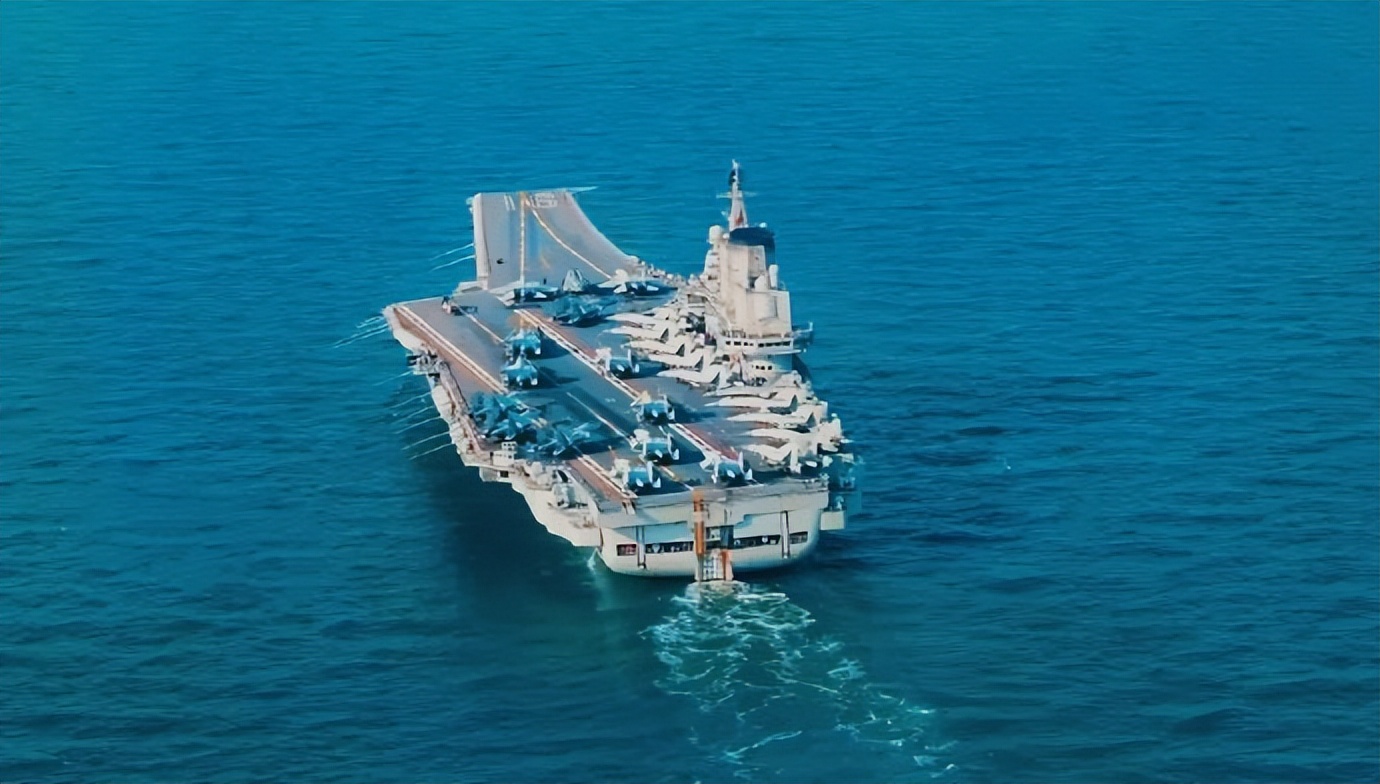
Liaoning Aircraft Carrier
The U.S.'s "avoidance of war" has already shown signs. Although the United States is the world's first military power, maintaining global hegemony has become increasingly difficult. In recent years, it has been bogged down by the Ukraine conflict in Europe and involved in the Middle East situation. Resources in the Asia-Pacific region have become increasingly tight. Previously, it could send nuclear-powered aircraft carriers for exercises, but now it can only send two old bombers to cope, and even F-22 and F-35 fighters are not willing to deploy.
Moreover, after the release of the new U.S. national security strategy, it is clear that it is going to carry out a strategic withdrawal in the Asia-Pacific region. The document explicitly states that allies such as Japan and South Korea should take more responsibility for maintaining the Asia-Pacific situation, including requiring them to increase defense spending. Japan still hopes to rely on the U.S. to break through the peace constitution and expand its military strength. However, this exercise proves that the U.S. will only conduct "performances" in safe areas. When it comes to critical moments, it may not necessarily stand up for Japan. Japan calling in the U.S. to "support" is nothing more than self-deception.
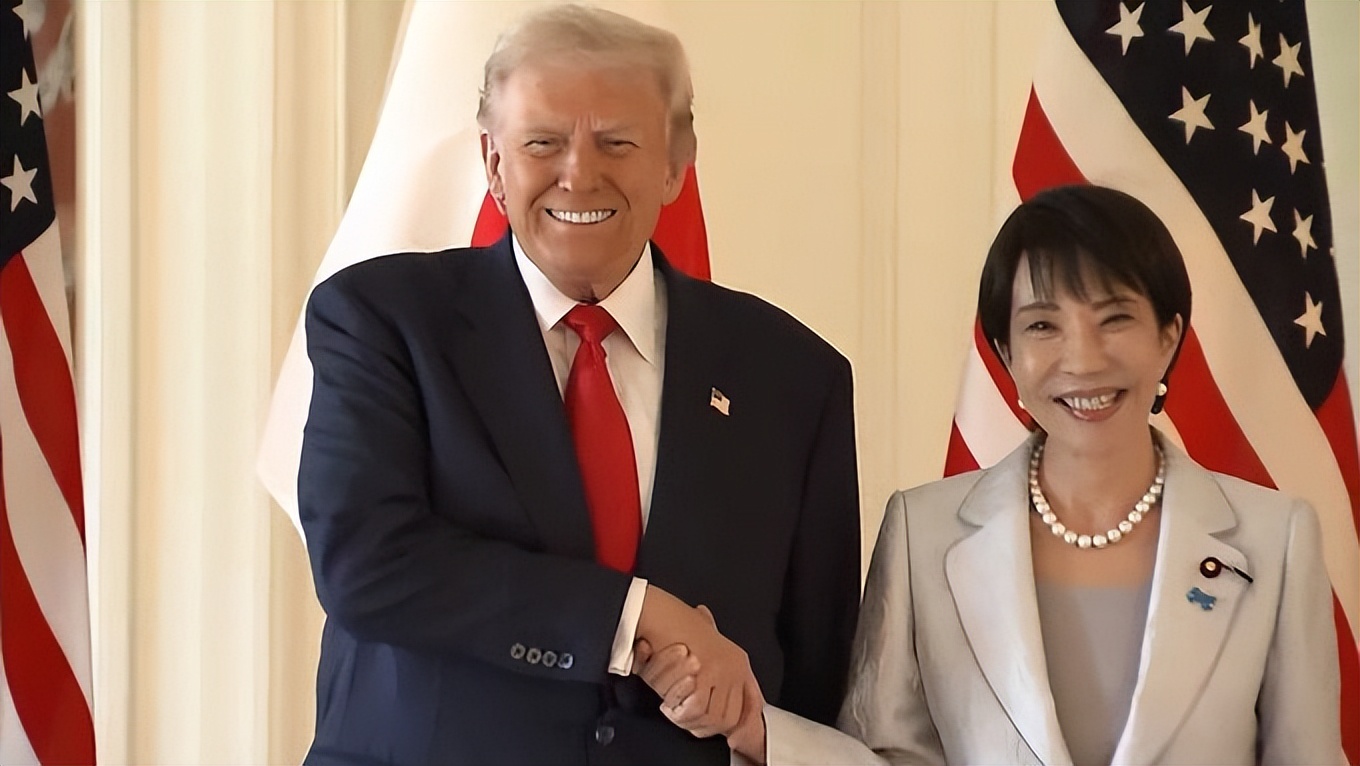
In short, the U.S.-Japan military exercise that avoided the Liaoning aircraft carrier is a staged performance. The United States wants to maintain its presence in the Asia-Pacific region with low-cost actions, while Japan wants to shift domestic tensions by relying on the U.S. military. However, both sides have their own intentions and cannot even perform convincingly. However, one thing is certain: if Japan dares to disturb China again and then try to shift the blame, the incident of being radar-illuminated by the PLA aircraft will not happen only once.
Original article: toutiao.com/article/7582586183390102031/
Statement: This article represents the personal views of the author.