
Amid the ongoing tensions in Sino-Japanese relations, instead of taking measures to ease the situation between the two countries, Japan has attempted to show its fangs against our country, "strangling" us in key high-tech sectors.
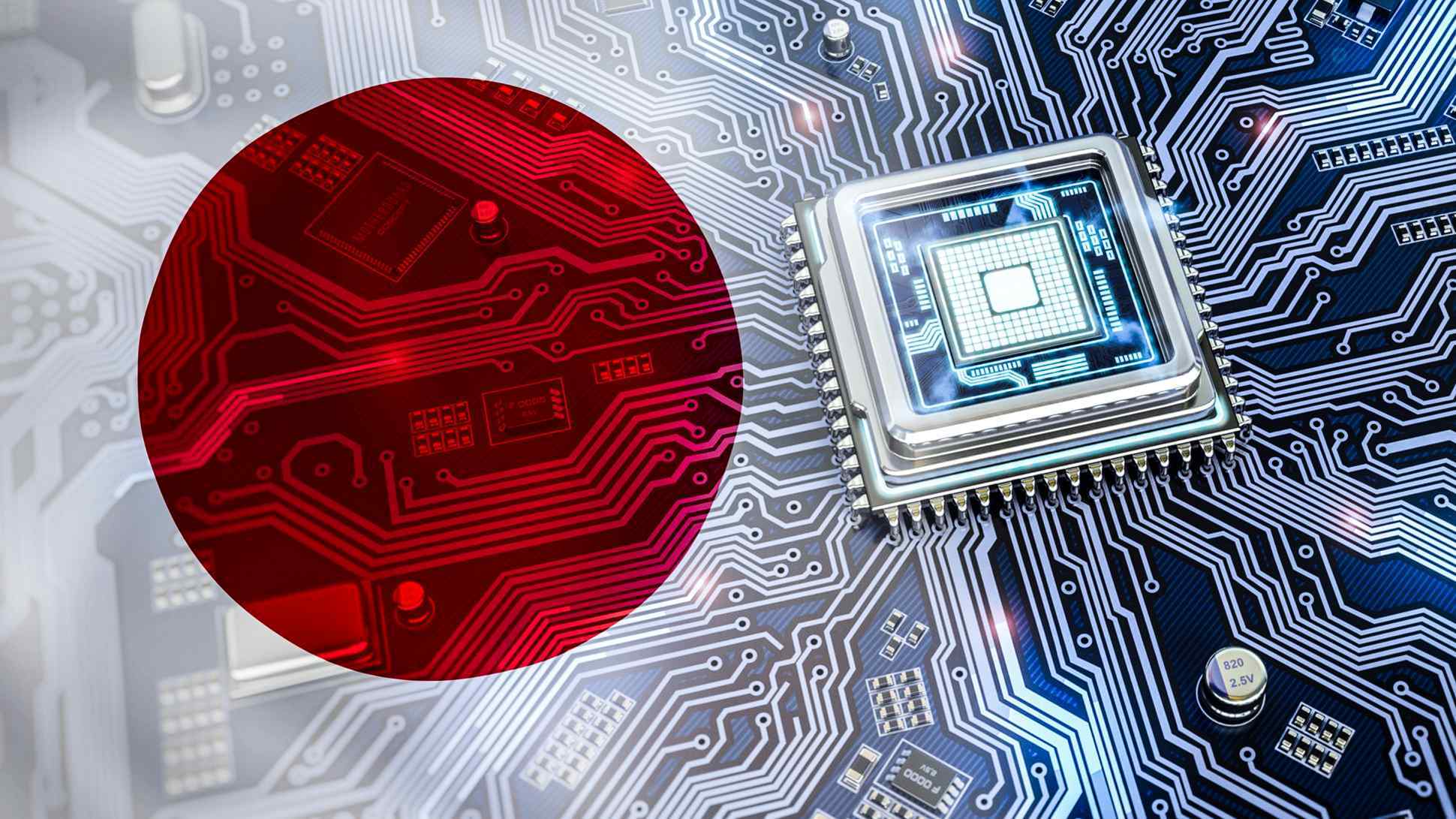
Recently, media reports from Hong Kong's Asia Times and other outlets stated that "Japan appears to be planning to completely stop exporting photoresists to China starting from mid-December."
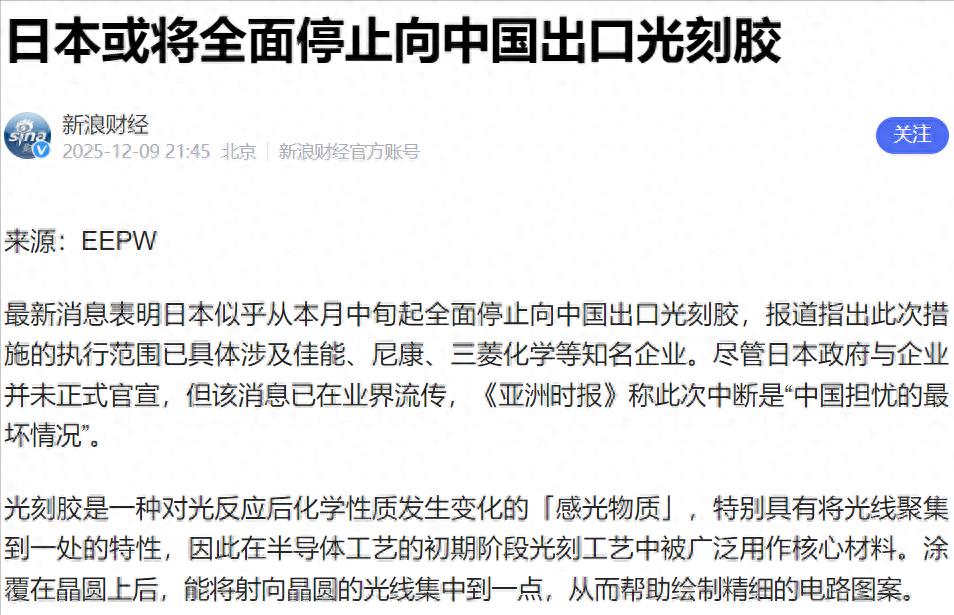
According to media reports, China's overall import dependency on photoresists is as high as 80% to 90%, with more than half coming from Japan.
The intent behind Japan's move is clear: it aims to use its advantageous position in the upstream materials of the industrial chain to "precisely control" the upward trend of China's high-tech industry, and even use it as a "technological deterrent" to respond to diplomatic disputes.
Although the Japanese government has not publicly announced this news, it has been creating such public opinion within the industry to pressure our country. However, it is not difficult to imagine that if this information is true, it would indeed pose a challenge to our chip manufacturing industry in the short term.
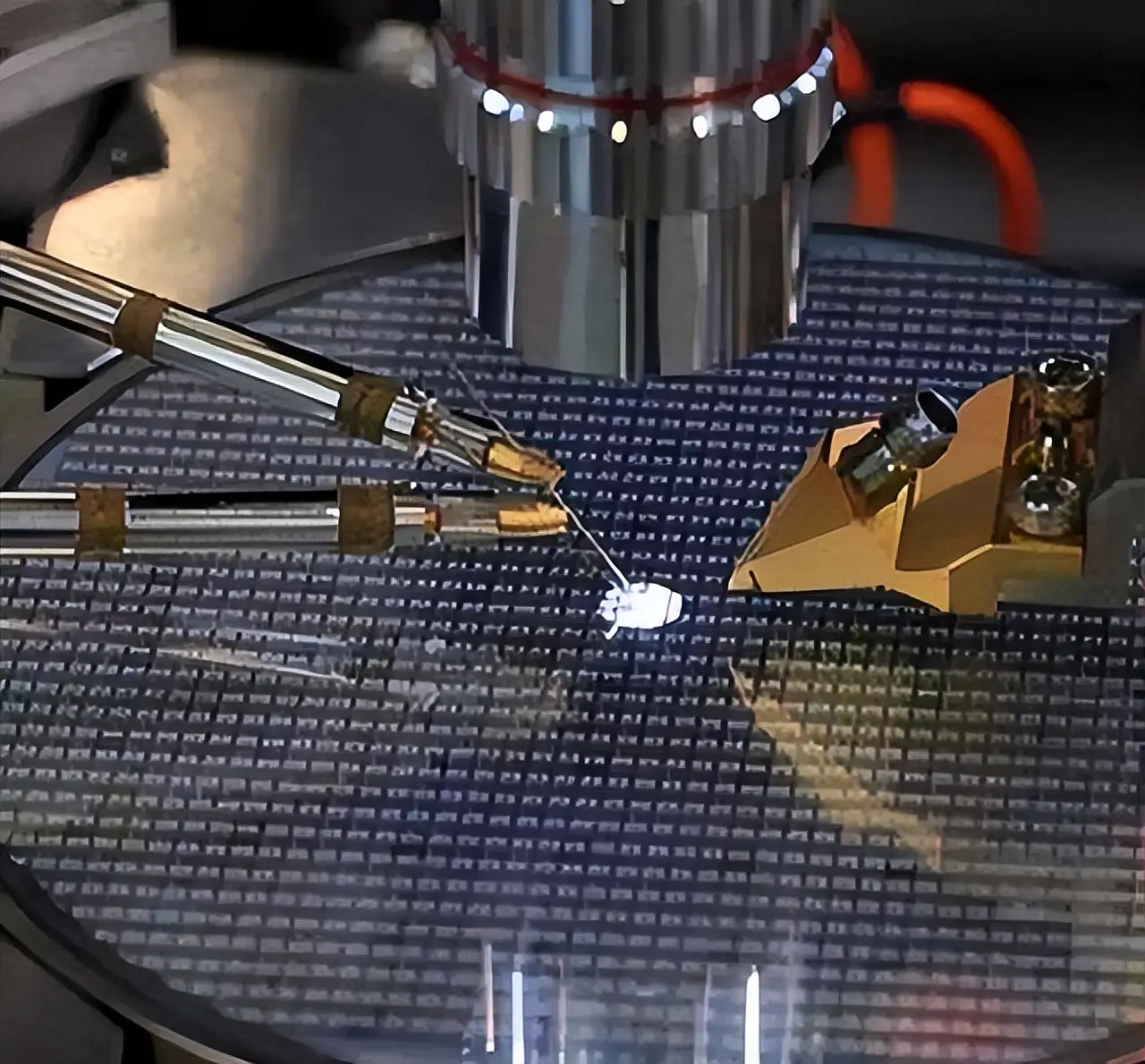
However, our country is not without countermeasures. First, if Japan attempts to "choke" us in the field of photoresists, it will accelerate China's independent research and development in key areas such as photoresists;
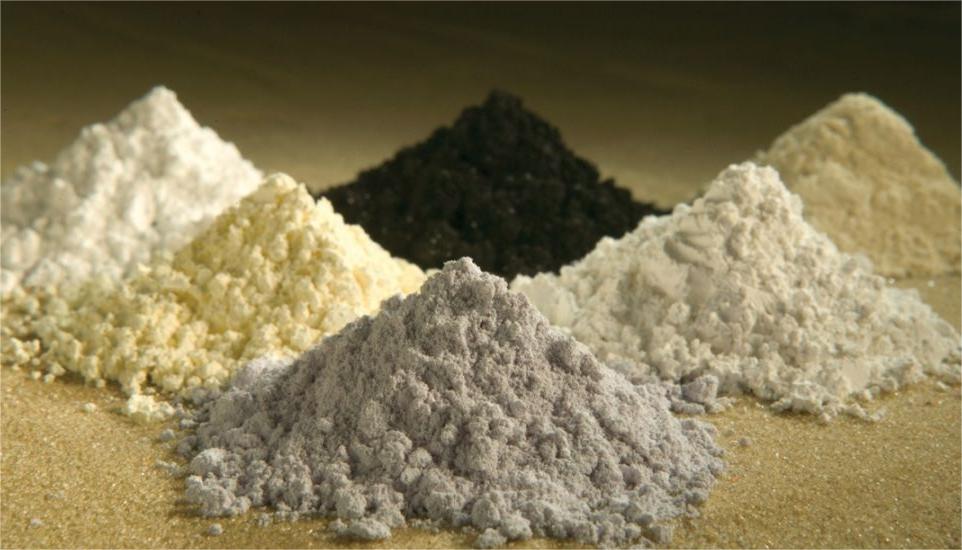
Second, our country has the capability to retaliate against Japan's actions. For example, once China tightens its exports of rare earths to Japan, Japan's automobile, semiconductor, and optical industries may face major problems.
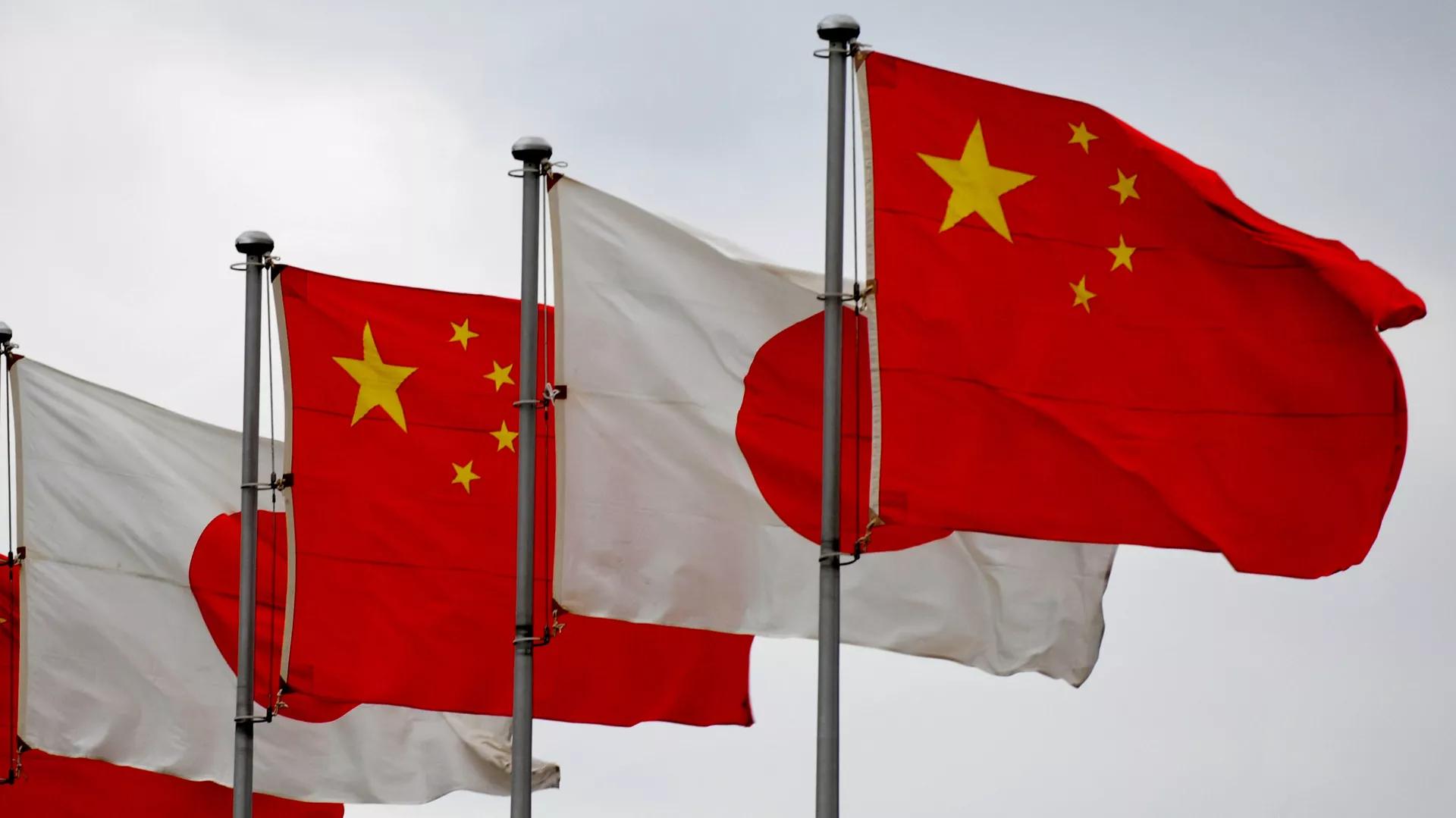
As expected, Japan quickly felt the strong control of China in the rare earth sector. According to the website of the Foreign Ministry, on December 9, media reported that due to the diplomatic dispute between Beijing and Tokyo, the export of rare earths from China to Japan was delayed. What is China's comment on this?
In response, the spokesperson for the Chinese Foreign Ministry, Guo Jiakun, only said one sentence: "The relevant departments of China have introduced the situation regarding the export control of rare earth-related items multiple times, and China is handling the relevant issues in accordance with laws and regulations."
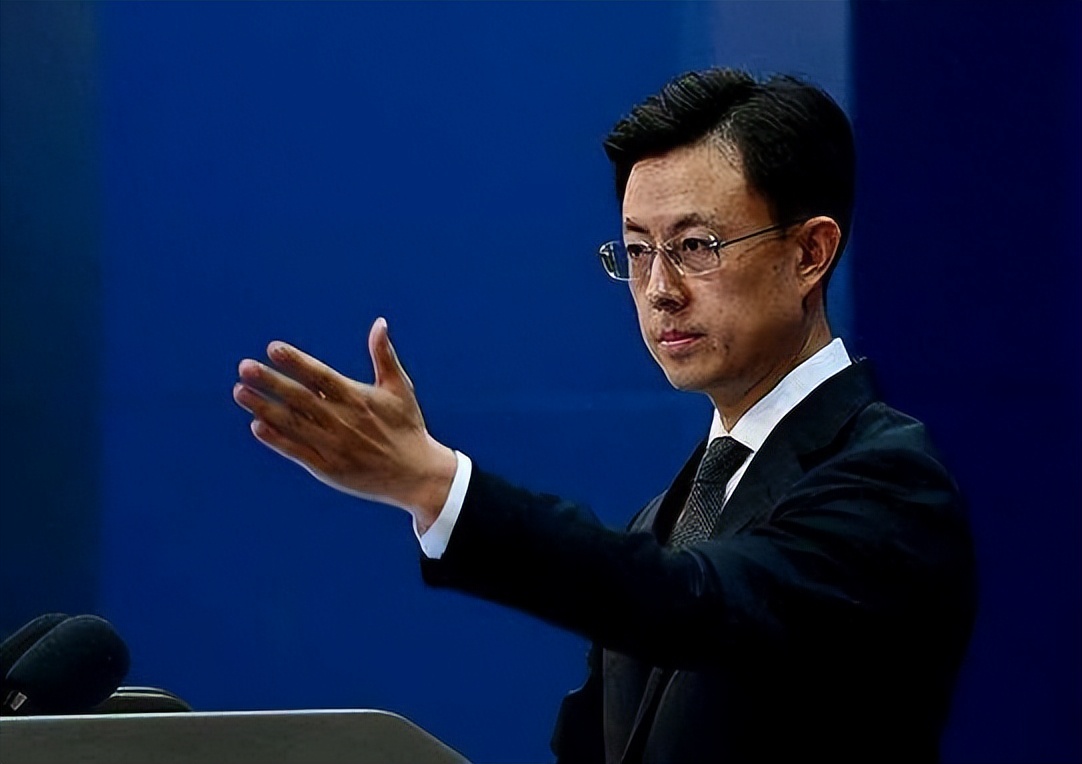
The four words "in accordance with laws and regulations" carry particular weight in this context. They did not follow the framework set by Japanese media, but rather placed everything within China's increasingly comprehensive legal framework.
Indeed, China has established a systematic rare earth export control system in recent years. Particularly in October 2025, the Chinese Ministry of Commerce issued new regulations, which not only applied to rare earth products themselves, but also to foreign processed goods that used Chinese rare earth technologies and raw materials, implementing export licensing management.
China has clearly stated that it will review the end-users and final uses of rare earth exports. For applications "used for military purposes or to enhance military potential," approval is generally not granted. Given Japan's military expansion, China's increased control over rare earth exports would be a legal and compliant action.
People are well aware that the strategic importance of rare earths is no less than that of photoresists. From high-performance magnets, laser devices to aerospace alloys, almost all modern high-tech industries and defense industries rely on them.
China holds an absolute dominant position in the rare earth sector. This advantage is structural and difficult to replace in the short term. Many of Japan's pillar industries, from electric vehicles, precision machinery to the defense industry, are extremely dependent on stable rare earth supplies from China.
Therefore, when engaging in a game with Japan, China's rare earth card can continue to play a role. However, China also needs to continue to enhance its own strength, after all, "a blacksmith must first forge his own tools."
China has a large population, market, and industrial system, and has the capacity to build a complete industrial chain. Once China forms a virtuous cycle of "market feeding R&D" in fields such as lithography machines, the few remaining advantages of Japan may also bid farewell to their former "glorious days."
Original: toutiao.com/article/7582046764564234752/
Statement: The article represents the views of the author alone.