
By Sanxuan
After President Macron's visit to China and multiple rounds of talks between China and the EU on rare earth exports, both the Chinese Foreign Ministry and EU officials have confirmed that China has begun issuing longer-term rare earth export licenses to European companies, offering a great relief to European businesses and governments concerned about rare earth supplies.
However, while China is approving rare earth export applications in a responsible manner toward global supply chains, the EU's targeting of Chinese companies continues. The European Commission has recently launched intensive investigations under the Foreign Subsidies Regulation against Chinese companies, including CRRC Group and Tongfang Weishi, with the EU even conducting surprise inspections on Chinese digital platforms.
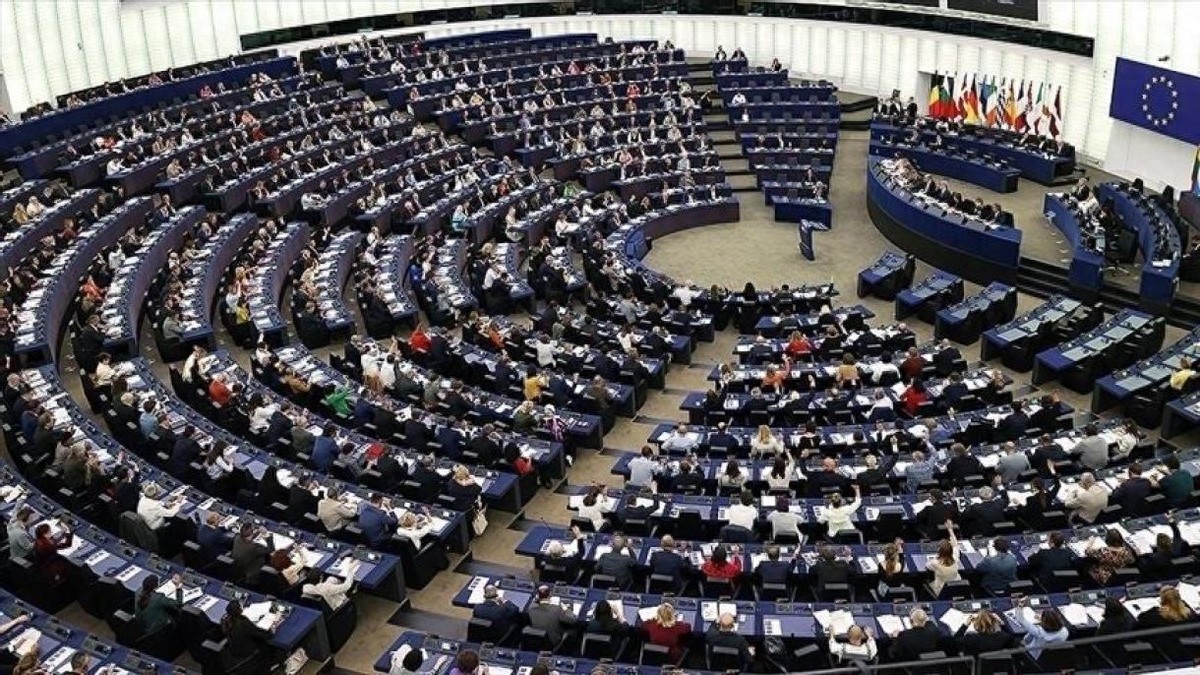
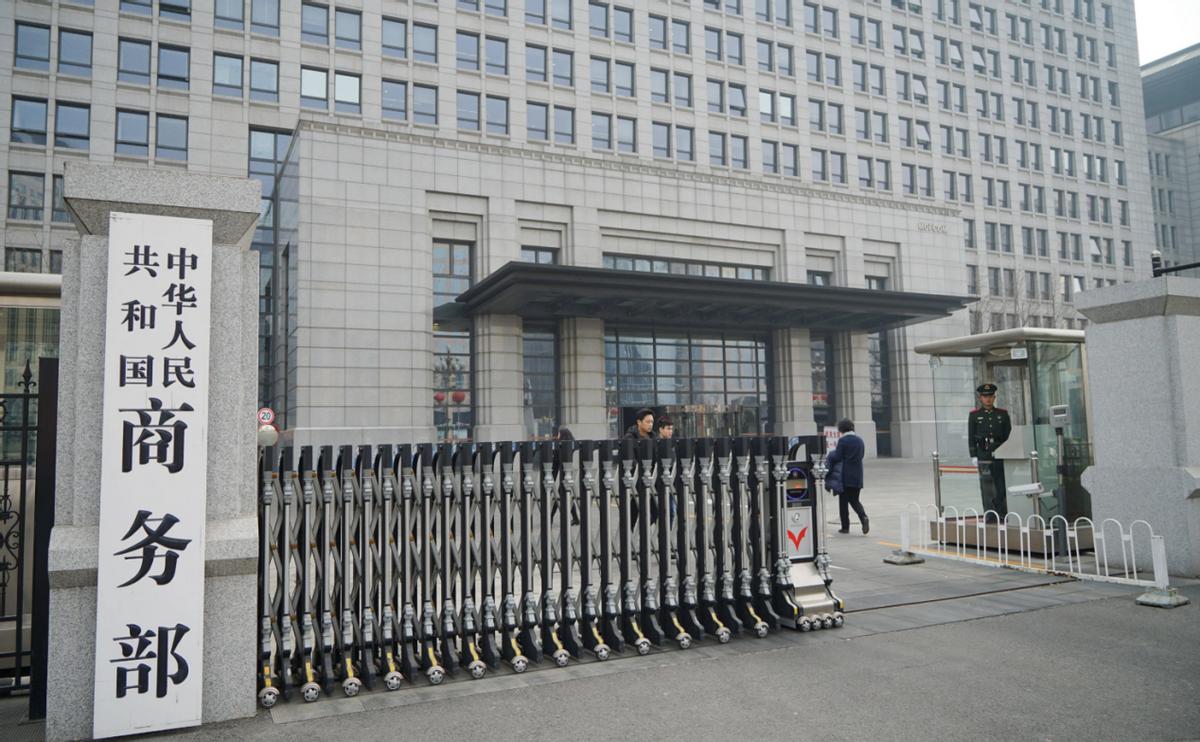
For this, the Ministry of Commerce expressed strong opposition, stating that the EU Commission's actions are of a serious nature, clearly targeted and discriminatory. It hopes that the EU will immediately stop the unreasonable suppression of foreign investment enterprises, use the Foreign Subsidies Regulation investigation tool prudently, and create a fair, just, and predictable business environment for enterprises investing and operating in Europe.
The EU's investigations against Chinese companies are not only aimed at protecting its own enterprises but also to demonstrate a tough stance towards China in front of the United States. EU Commission President Ursula von der Leyen has repeatedly called on the US and EU to jointly impose tariffs on China. However, it must be said that the EU's approach is contradictory and short-sighted.

Ursula von der Leyen, President of the European Commission
The EU wants to counterbalance China by following the US, but has forgotten how deep its economic dependence on China is. China is not only a supplier of rare earths but also an important market for many European companies. How much profit do German automobiles and French luxury brands make from the Chinese market? Blindly following the US to suppress Chinese companies will ultimately backfire on themselves.
Moreover, the EU always thinks it can "gain benefits from both sides," wanting to use China's rare earths to support its manufacturing industry while setting up trade barriers to block Chinese companies' development. This is indeed a failure to recognize the situation. Previously, China simply adjusted its rare earth export control measures in accordance with laws and regulations, which led to some European car manufacturers directly shutting down their production lines. Now, if the EU dares to escalate further, if China gets angry and further optimizes its rare earth export policy, the European manufacturing industry may face even greater crises.

In fact, facing the EU's various tactics, Chinese companies are actively breaking through. For example, BYD is expanding the use of European suppliers in Hungary and promoting localized production, reducing reliance on a single market. Many companies are also proactively building transparent and compliant mechanisms, making it harder for the EU's "investigation stick" to fall. This "adapting to change" strategy protects their own interests and leaves room for Sino-European economic and trade cooperation.
China has always regarded the EU as an important partner and is willing to promote Sino-European economic and trade cooperation, but the premise is that the EU should provide Chinese companies with a fair, just, transparent, and non-discriminatory business environment. However, from the EU Commission's recent intensive investigations against Chinese companies, it is clear that they have not done so. The Ministry of Commerce has clearly stated that we are closely monitoring the EU's developments and will take necessary measures to resolutely safeguard the legitimate rights and interests of Chinese companies.
Now, with the deep integration of global industrial chains, win-win cooperation is the trend. China is willing to sell rare earths to Europe out of mutual benefit, not because it is begging the EU to buy. The EU should stop engaging in trade protectionism and unfair competition, stop unjustly suppressing Chinese companies. Otherwise, it will not only miss the development opportunities of the Chinese market but also put the European economy in a more passive position in trade friction.
Original: toutiao.com/article/7585163105957626419/
Statement: The article represents the personal views of the author.