

【This article is only published on Toutiao, please do not reprint】
Author of this article — Chi Huo | Professional writer for the magazine "Space Exploration"
2026 has been called the most important year in China's space history by many netizens, because China will complete its first reusable rocket launch and recovery test in this year, with multiple rockets ready to be launched (two rockets tested last year failed in the recovery phase, but both second stages successfully entered orbit), as well as completing the first test flight of the Changzheng 10 lunar landing rocket.
At 11:00 a.m. on February 11, the Changzheng 10 first-stage experimental rocket carrying the "Mengzhou Manned Spaceship Experimental Ship" was ignited and launched from the Wenchang Space Launch Site in Hainan.
"Three-in-One" Test, Rare in the World
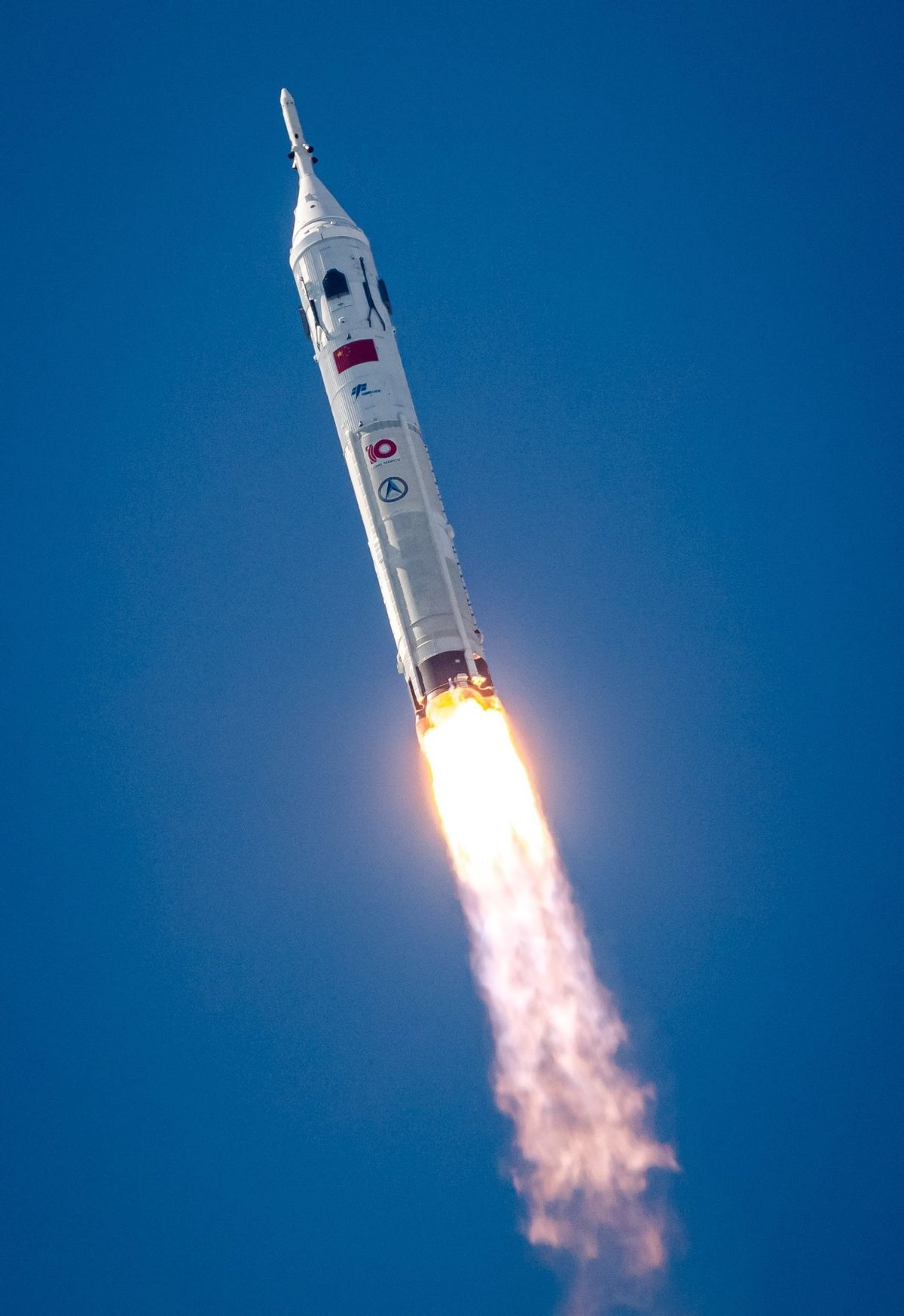
(The Changzheng 10 first-stage experimental rocket was successfully launched)
This flight was a large-scale test mission with multiple elements, mainly verifying three technologies:
First, it verified the most important first stage of the Changzheng 10.
The Changzheng 10 series of launch vehicles are divided into two major categories: lunar landing type and low Earth orbit (LEO) type, each of which is further divided into manned and cargo types; the lunar landing type's first stage consists of three LEO-type first stages connected in parallel, and the LEO-type first stage can be either disposable or recoverable. Therefore, it is no exaggeration to say that the first stage is the most important part of the Changzheng 10 series.

(Main configurations of the Changzheng 10 series rockets)
Second, it conducted the maximum dynamic pressure escape flight test of the Mengzhou manned spacecraft system.
The characteristic of the manned Changzheng 10 rocket is that it has a manned spacecraft and an escape tower at the top.
The Mengzhou manned spacecraft had already completed the zero-height escape flight last year, and this time it will conduct an escape flight test during the maximum dynamic pressure phase throughout the space launch process. The escape tower will separate from the first stage rocket at a predetermined altitude of dozens of kilometers, then adjust its attitude, and then separate from the experimental spacecraft, allowing the experimental spacecraft to open its parachute and land in the designated sea area.
This test, once passed, would prove that the system design principle is correct and the reliability is high.
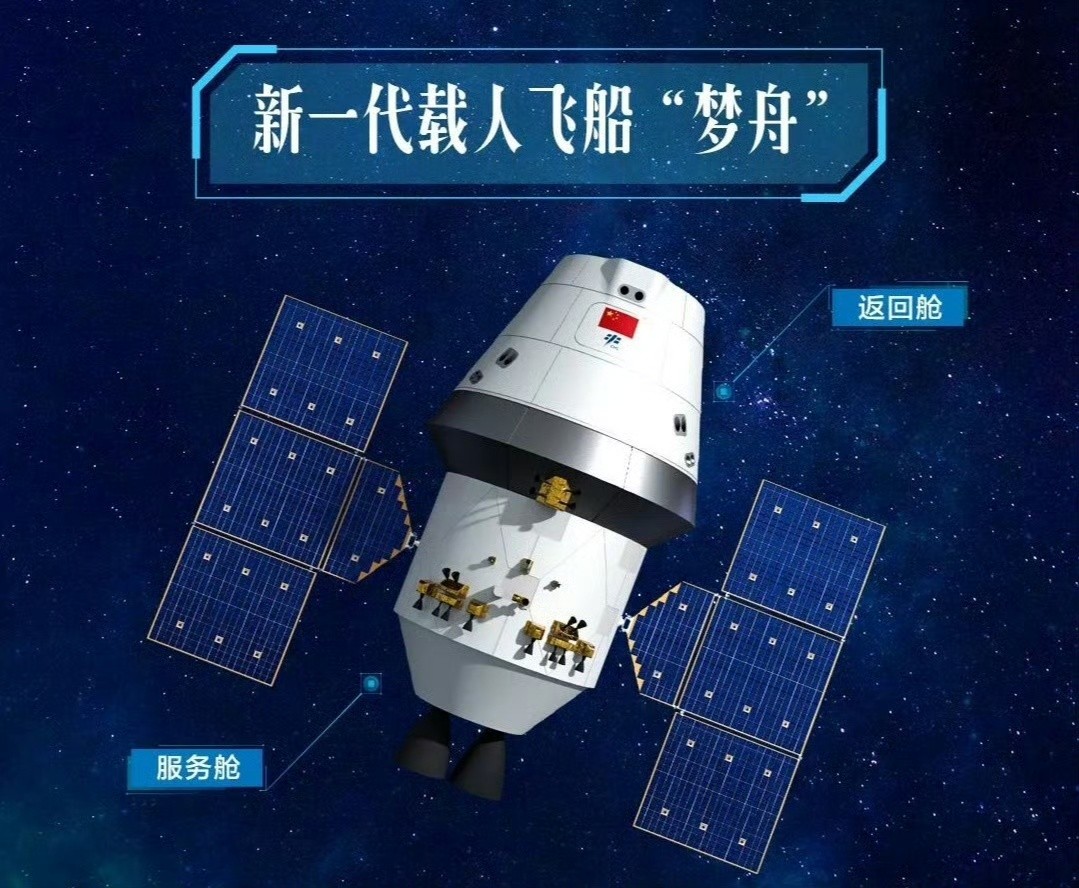
(An imaginative picture of China's new generation manned spacecraft "Mengzhou")
Third, it conducted the recovery and controlled water landing of the Changzheng 10 first stage rocket.
It needs to be emphasized that this test does not require the first stage rocket to land on the "Linghangzhe" (Navigator) networked recovery platform ship waiting in the recovery area, but rather to perform a controlled water landing near the "Linghangzhe" ship.
Some comments said this was a "deviation," which is completely a rumor. From the beginning, the test was determined to land near the recovery ship, not directly on the recovery ship, so that if the recovery fails, it would not damage the recovery ship, which is a safe measure previously arranged.
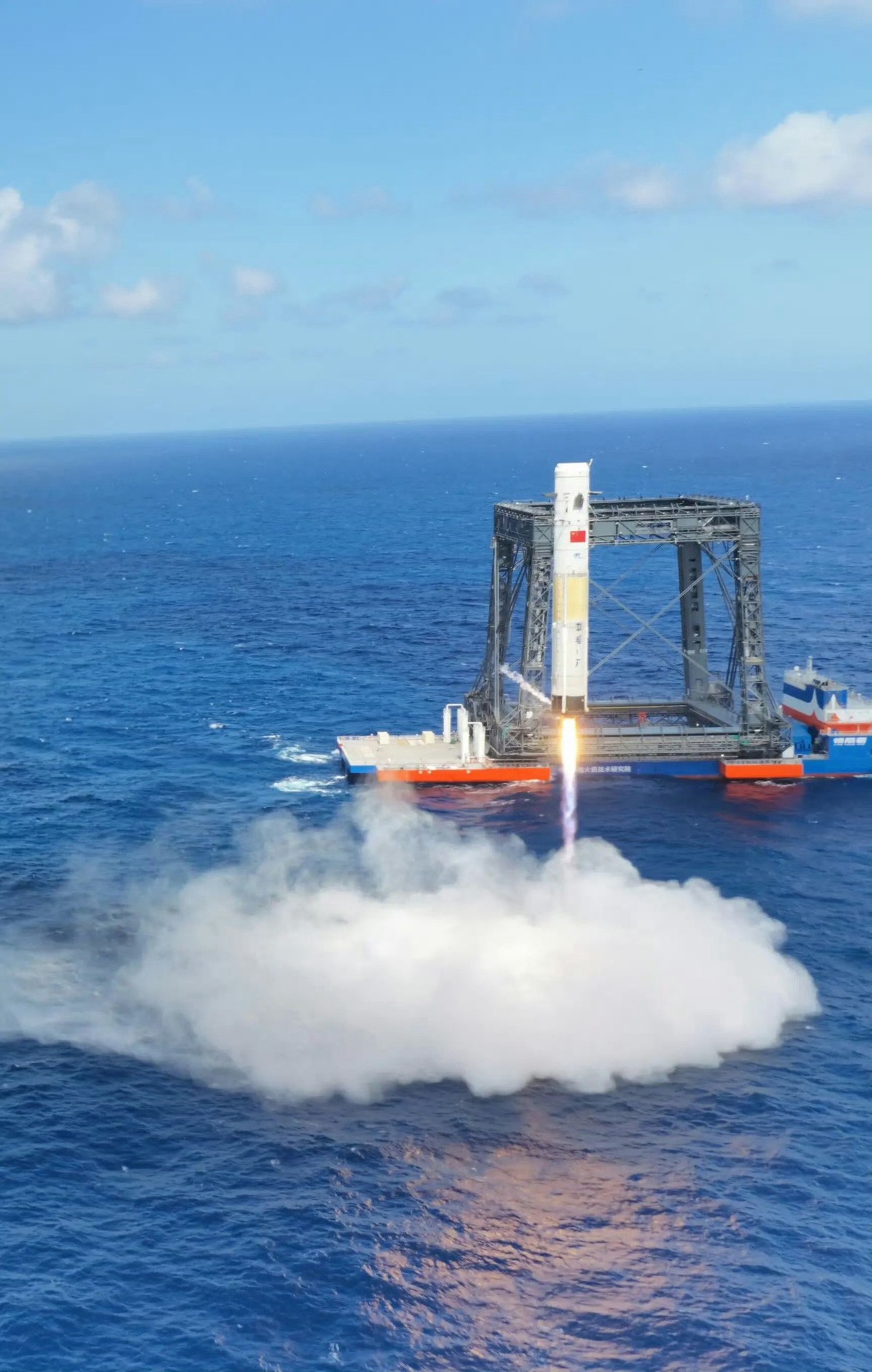
(Not a deviation, but intentionally set, this is the setting of the first test)
There are some other points to note:
The Changzheng 10 first-stage experimental rocket launched this time does not include the second stage, but instead directly installs the Mengzhou manned spacecraft and escape tower on the first stage, so the spacecraft does not have orbital capability, and for this reason, the experimental rocket looks much shorter than the full version of the Changzheng 10 LEO manned type.
Moreover, this test involves a new type of rocket, a new type of spacecraft, as well as newly built launch pads and the first use of the "Linghangzhe" networked recovery platform ship, etc. The rockets and spacecraft participating in the test are in the initial sample state, which marks a brand new start for China's space industry.
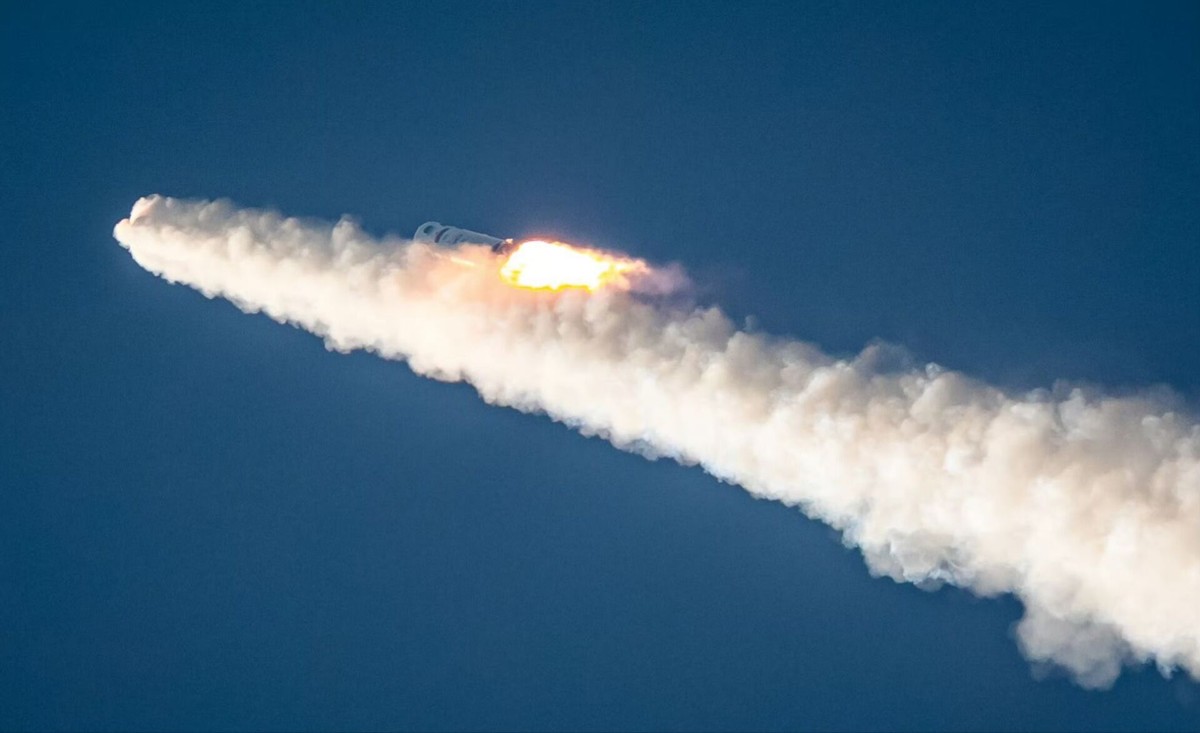
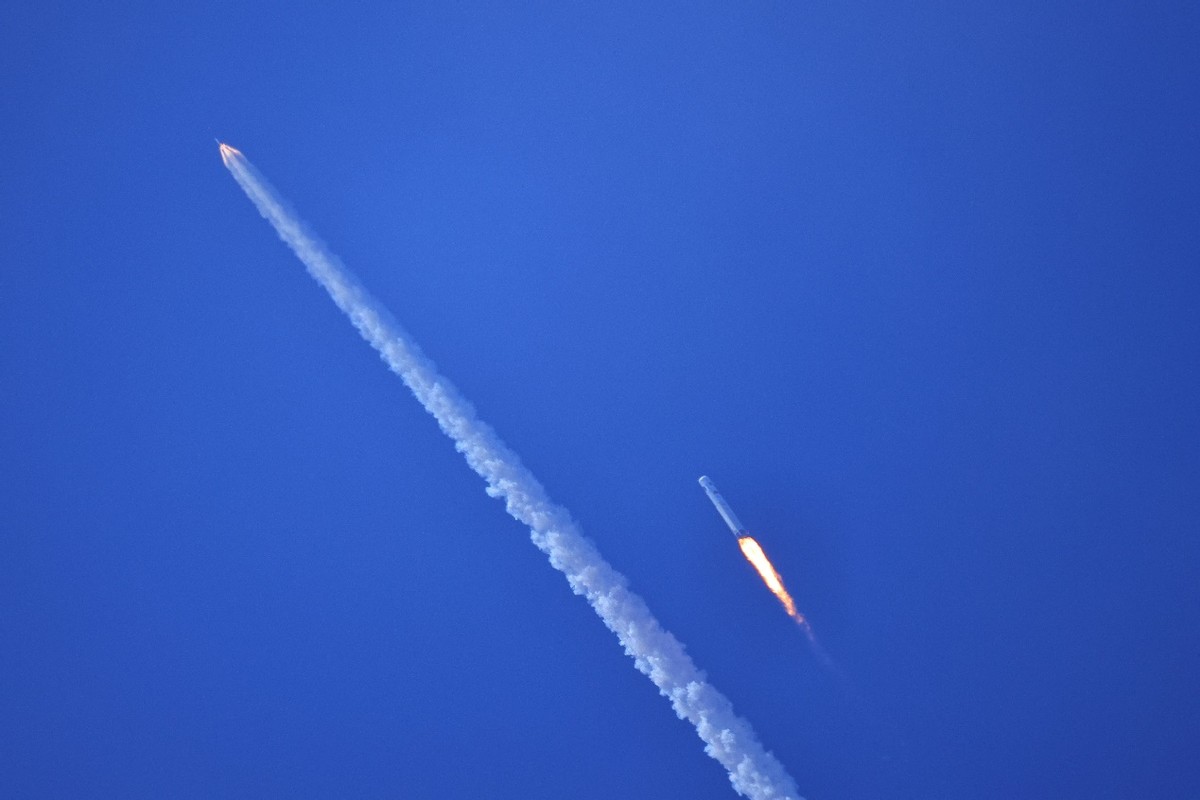
(Mengzhou spacecraft and escape tower separated from the Changzheng 10 first-stage rocket body)
The result of this test was completely successful.
After the rocket launch, it separated from the Mengzhou manned spacecraft at the designated height, the escape tower worked normally, and finally the Mengzhou experimental spacecraft opened its parachute and landed stably in the designated sea area of the South China Sea;
More impressive was the first stage rocket: after climbing over 100 kilometers of the Kármán line, it began to return to the sea surface, ignited at the designated height, continuously adjusted its attitude, and landed stably on the sea surface about 200 meters away from the "Linghangzhe" networked recovery platform ship.

(Mengzhou spacecraft landing in the designated sea area)
"Imperfect" Splashdown, Still Precise
Some netizens found this test "imperfect" in the live video, but it was corrected by China's advanced aerospace technology:
The camera on the first stage rocket showed that one of the four grid fins did not lock after deployment, causing the grid fin to pop back against the rocket body during re-entry ignition, not fully deployed; in order to maintain symmetry and balance, the opposite grid fin also retracted.
With only two grid fins working properly, this first stage rocket still accurately completed the guidance task and successfully achieved a targeted splashdown.
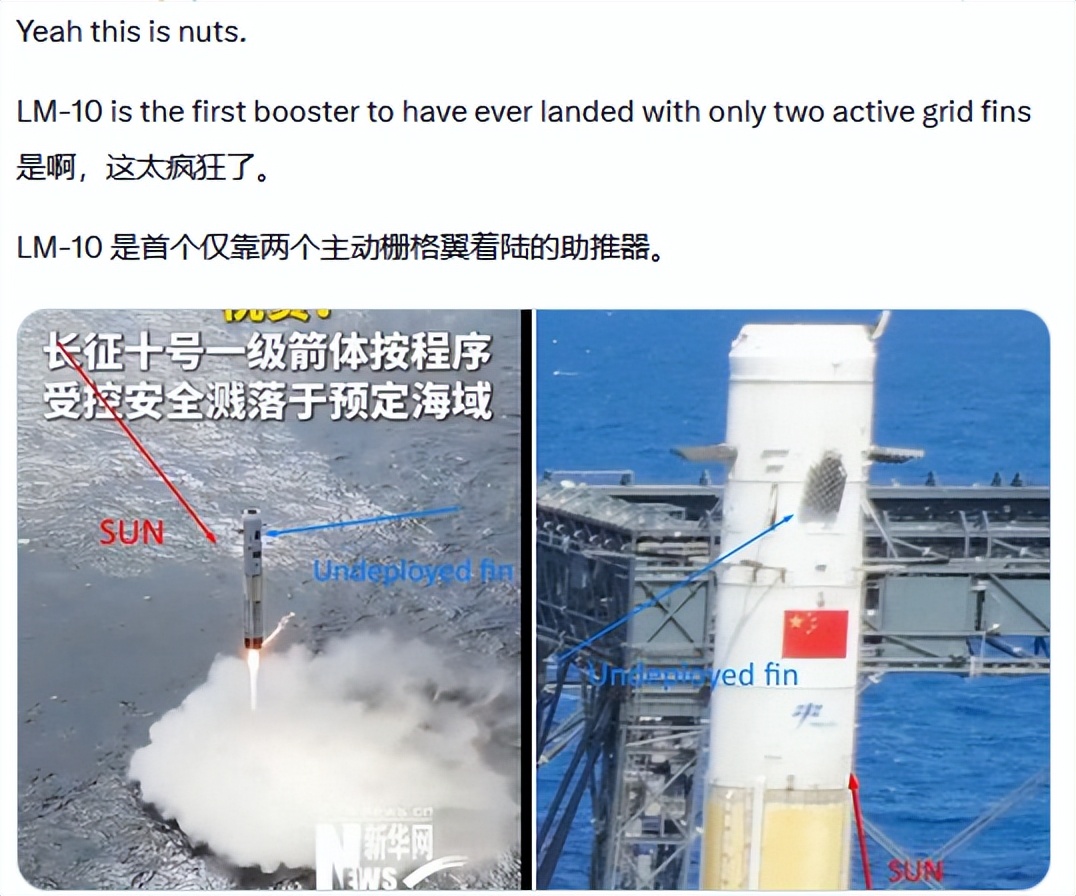
Foreign space enthusiasts also noticed this detail and expressed amazement: two grid fins can complete the recovery, which is a first in the world. This fully demonstrates how high the safety redundancy of China's aerospace's flight control system and guidance system is for the first-stage reusable rocket.
Certainly, this grid fin issue must be identified. Perhaps next time, it could even test a recovery on the "Linghangzhe" ship.
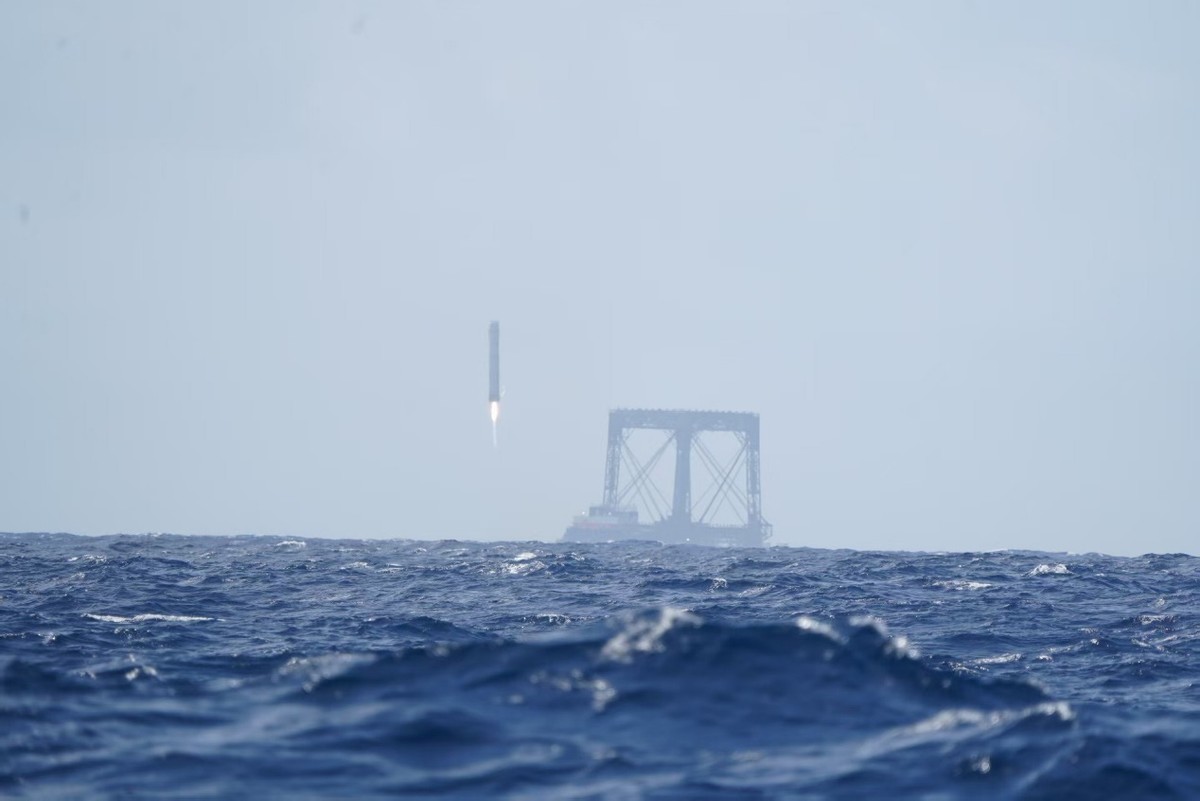
(The Changzheng 10 first-stage rocket landed in the designated sea area, not far from the "Linghangzhe" networked recovery platform ship)
"Networked Recovery", A World First
What is more worth mentioning is the "Linghangzhe" networked recovery platform ship, which is an innovation of China's aerospace.
Networked recovery is a form of vertical takeoff and landing recovery. When the rocket reaches a certain height, the recovery system's "well" shaped ropes tighten, and the hooks on the rocket body can hang on the four "well" shaped ropes, completing the capture and recovery, with the rocket body not touching the ground.
In contrast, SpaceX's recovery ship for the Falcon 9 rocket is just a platform, and the Falcon 9 first stage needs to open four "legs" and stand on the platform.
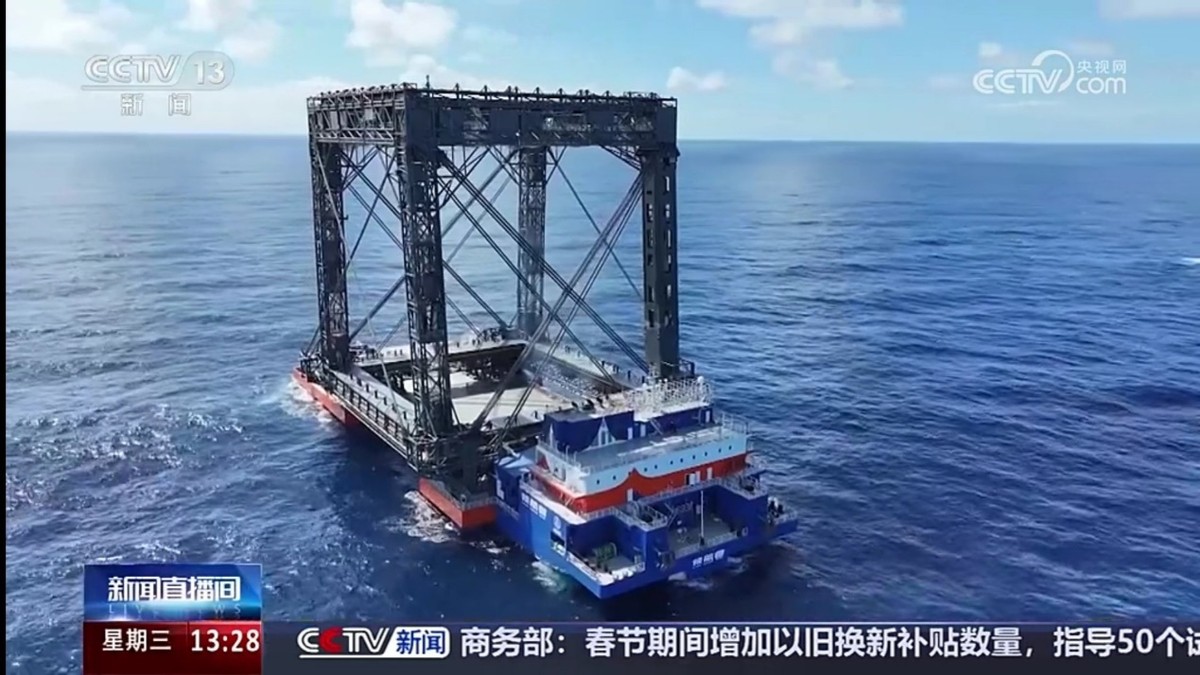
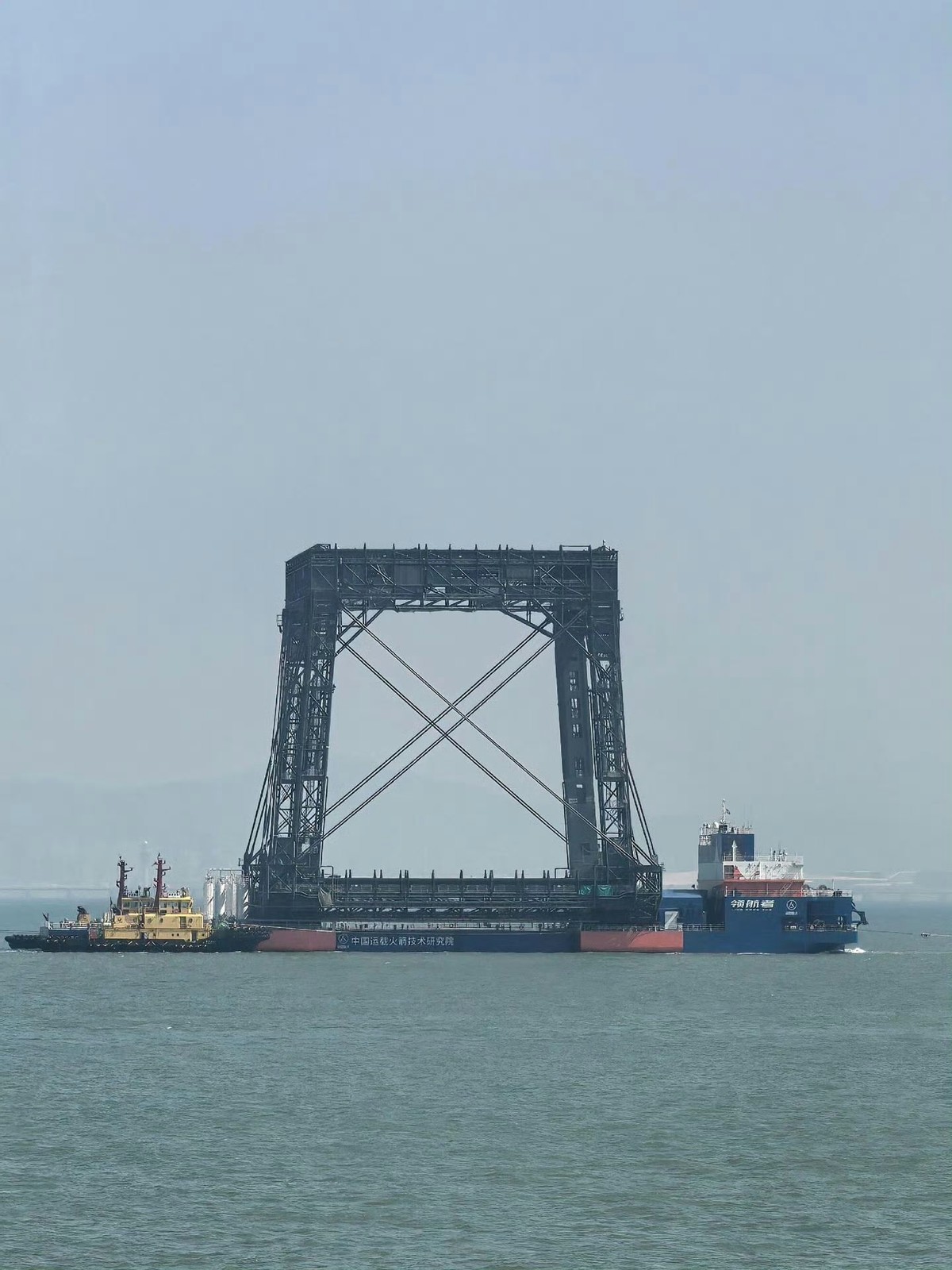
("Linghangzhe" networked recovery platform ship, this is China's aerospace innovative design)
Compared with SpaceX's recovery ship plan, China's networked recovery platform has many advantages:
First, the rocket can save the weight of four "legs", allowing it to carry more payload or fuel;
Second, after the rocket is captured by the network, most of its kinetic energy and potential energy are absorbed by the flexible network's ground buffer mechanism, significantly reducing the design requirements for the rocket's buffer structure;
Third, for the rocket landing deviation, the networked recovery system can simply and efficiently adjust the size and position of the "grid" to improve adaptability, which can also reduce the requirements for the rocket engine thrust adjustment capability;
Finally, the networked recovery platform ship has stronger adaptability to high sea conditions.
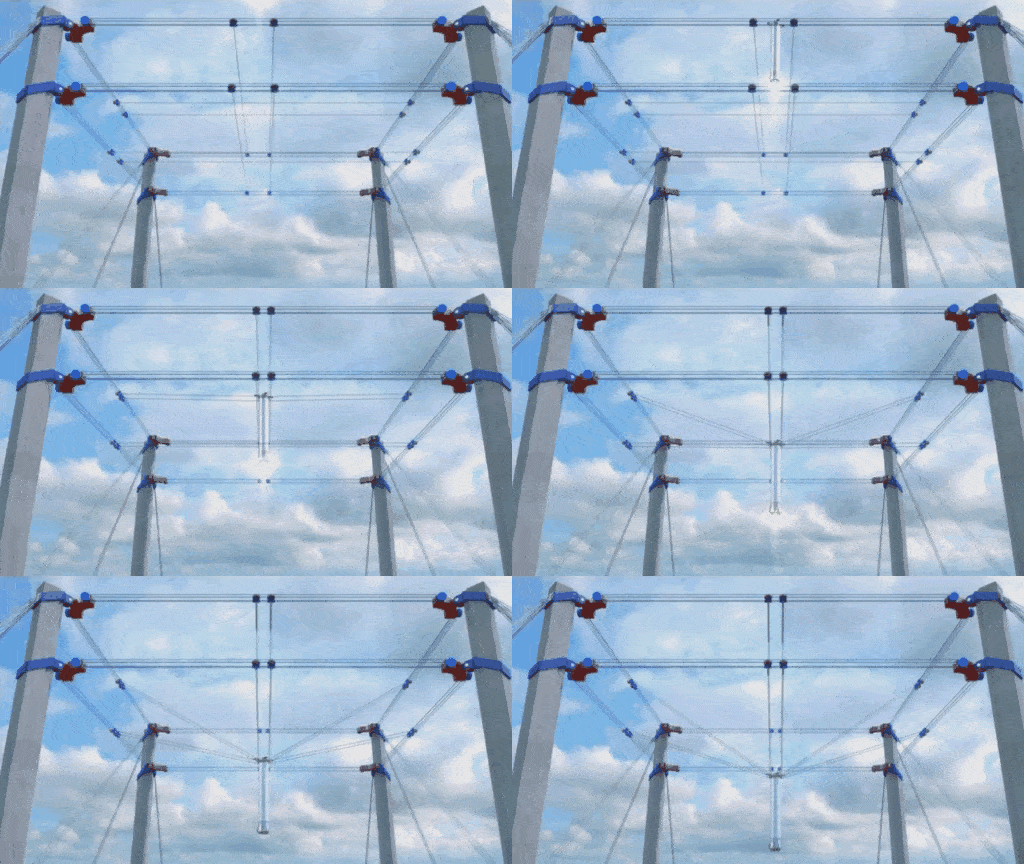
(Networked recovery animation)
When the Falcon 9 first stage recovery ship conducts recovery operations, it has very strict requirements for sea conditions, requiring wave heights not exceeding 3 meters, and wind speeds below 15-20 knots (about 7-10 m/s). In a recovery attempt in 2016, due to the on-site wave height reaching 15 feet (about 4.6 meters), far exceeding the safety standard, the Falcon 9 first stage eventually tipped over after landing and failed.
However, the "Linghangzhe" can maintain a positioning accuracy of 0.5 meters even when the wave height is 4 meters, showing stronger adaptability to weather than the American scheme.
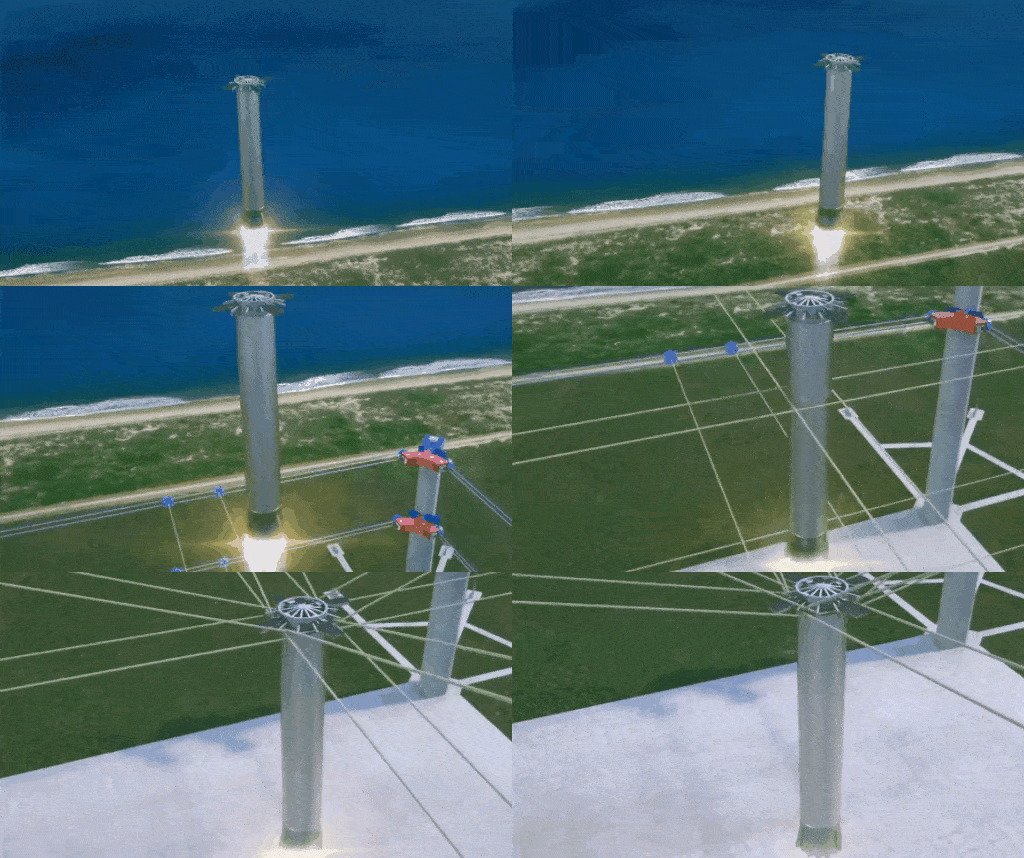
In summary, the successful launch test by China's aerospace today has dispelled the gloom of the failure of two types of recoverable rocket first stages at the end of last year, and opened a good start for the new year. We expect that China's aerospace industry in 2026 will surely amaze the world with outstanding launch achievements.
Original: toutiao.com/article/7605743498935009826/
Statement: This article represents the views of the author alone.