
Just as the high-level American delegation arrived in Oman, preparing to engage in critical negotiations with Iran on nuclear issues, an emergency warning from the U.S. Department of State reached all American citizens in Iran via their mobile phones — evacuate immediately, without delay.
On February 5th Eastern Time, the United States issued a security alert through its "virtual U.S. embassy in Tehran" urging American citizens to "leave Iran as soon as possible" with an unusually urgent tone. Just a dozen hours later, at 10 a.m. on February 6th local time in Oman, Iranian and American diplomats sat across from each other at the negotiation table in Muscat.
One side is an emergency evacuation order, the other is a diplomatic dialogue — this contradictory scene of "preparing for war on one hand and seeking peace on the other" is a true reflection of the current U.S.-Iran relationship.
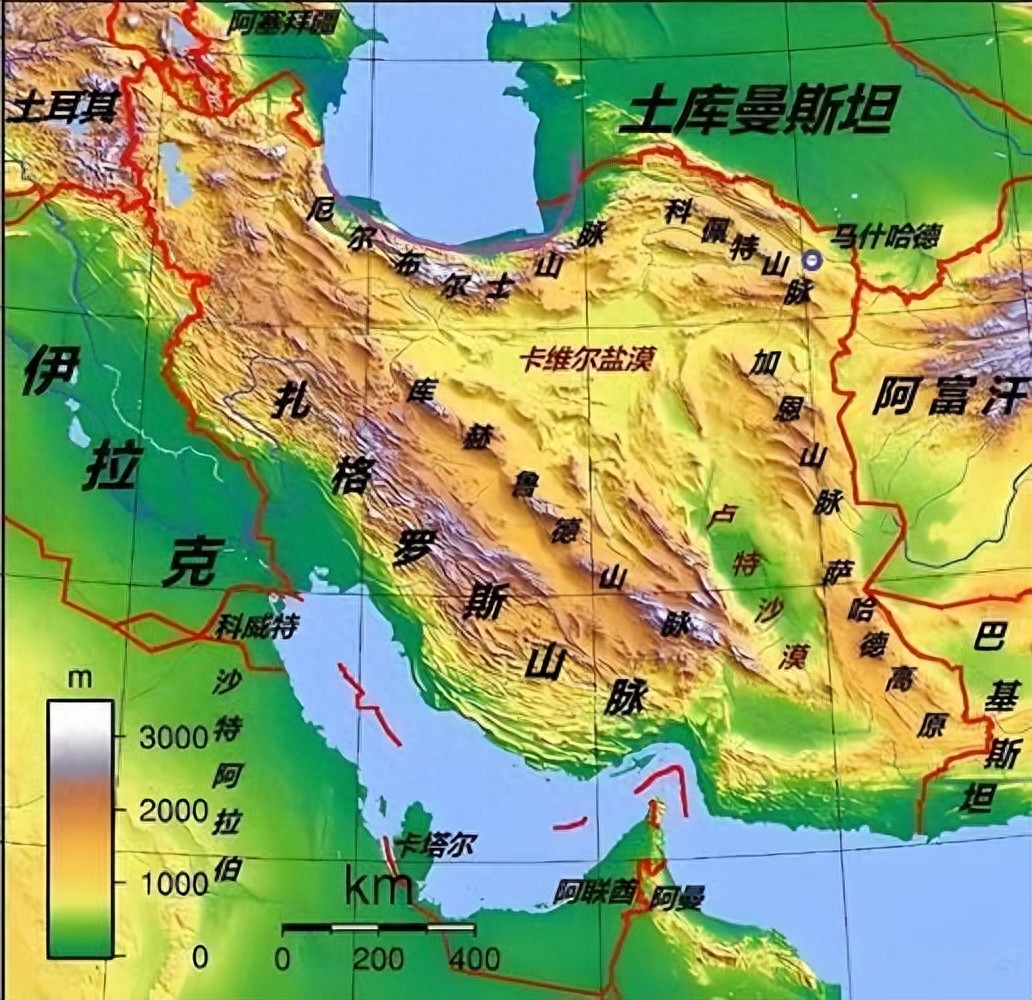
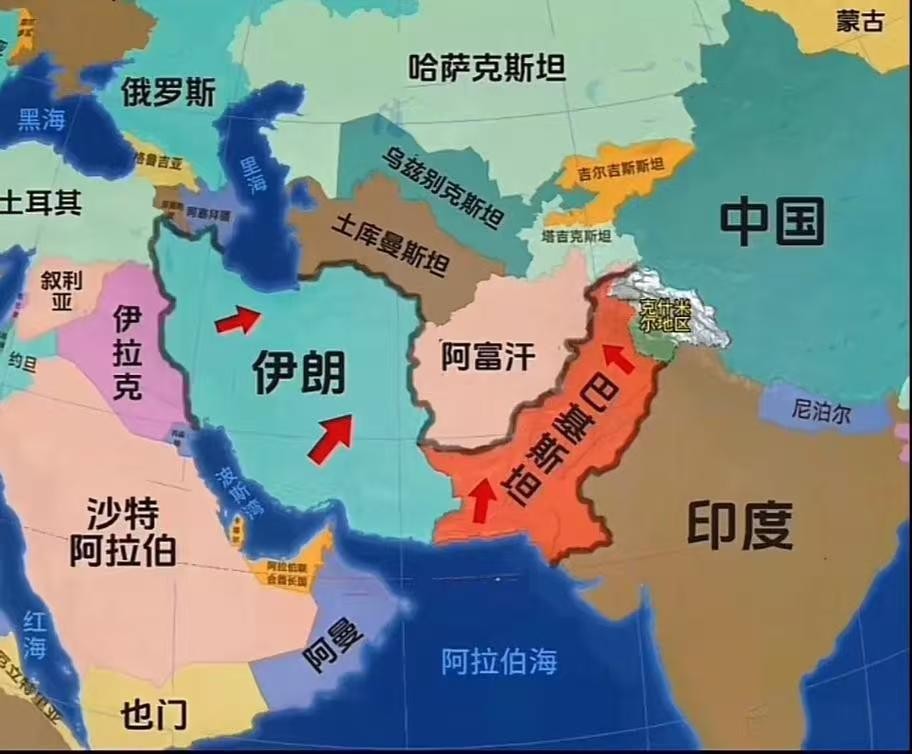
The strategic location of Iran in the Arab region
01 Early Warning Upgrade: The Signals Behind the Shift from "Cautionary Travel" to "Urgent Evacuation"
The latest warning from the U.S. Department of State paints a grim picture: security control throughout Iran is continuously strengthening, and tension is steadily increasing. The U.S. not only urges citizens to leave as soon as possible but also bluntly advises them to develop "evacuation plans that do not rely on U.S. government assistance" — a rare expression in diplomatic warnings.
For those temporarily unable to leave, the warning provides specific survival guidelines: take shelter in place, stock up on supplies, avoid gatherings, and maintain a low profile. These recommendations read like a battlefield survival manual, implying that the situation may take a sudden turn for the worse.
The situation for dual nationals is particularly delicate. Iran does not recognize dual nationality, so these individuals must exit using an Iranian passport, yet they face higher risk of inspection at the border. According to records by Iranian human rights organizations, at least two dozen dual nationals have been detained for extended periods over the past three years, most of whom remain un-released.
Regarding departure routes, the situation is complex and ever-changing. Land borders with Armenia and Turkey are still open, but travel through Turkmenistan and Azerbaijan requires special permits — obtaining such permits often takes several weeks. The U.S. has clearly marked certain regions as "high-risk zones": Afghanistan, Iraq, and the border areas between Iran and Pakistan.
Due to the fact that the two countries severed diplomatic relations since 1979, the Swiss embassy in Tehran serves as the sole representative of U.S. interests in Iran, but its capacity for assistance is actually very limited. A former diplomat who worked in Iran said: "Once a crisis breaks out, the embassy's ability will probably be limited to just registering names."
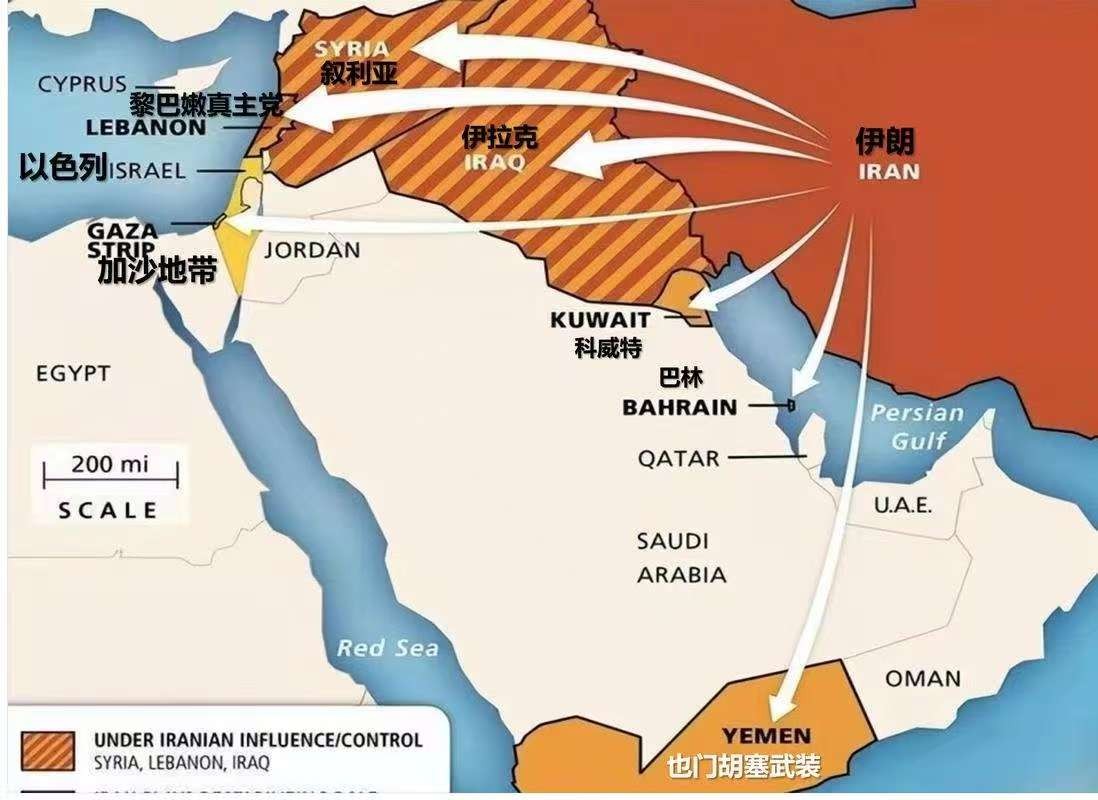
Many neighboring countries, the situation is very complicated
02 Multiple Crises Converge: The U.S.-Iran Game Enters a High-Risk Phase
At the negotiation table, the divide in positions is clear. When Iran's Foreign Minister Alaghbari arrived in Muscat, he wore a smile but spoke firmly. Iran's Foreign Ministry spokesperson Baghaei had already set the tone: negotiations must strictly focus on nuclear issues, with the goal of achieving a "fair, mutually acceptable, and dignified understanding."
The U.S. agenda appears more extensive. Secretary of State Rubio publicly stated before the negotiations that any dialogue must include Iran's ballistic missile program and regional activities. "We cannot talk about nuclear issues alone while ignoring the other actions of this regime that threaten regional stability," he stated during a congressional hearing.
Their lists of bottom lines form a sharp contrast:
Iran's position: Peaceful use of nuclear energy is an "inalienable right"; missile programs are purely defensive and not subject to negotiation; the U.S. must lift all sanctions as a prerequisite for any agreement.
U.S. demands: Achieve "verifiable zero nuclear capability"; limit the range of ballistic missiles to 500 kilometers; stop supporting "agents" such as the Houthi rebels in Yemen and Hezbollah in Lebanon.
This fundamental disagreement makes the negotiations difficult from the start. A European diplomat privately commented, "This isn't a negotiation, it's a confrontation between two parallel lines."
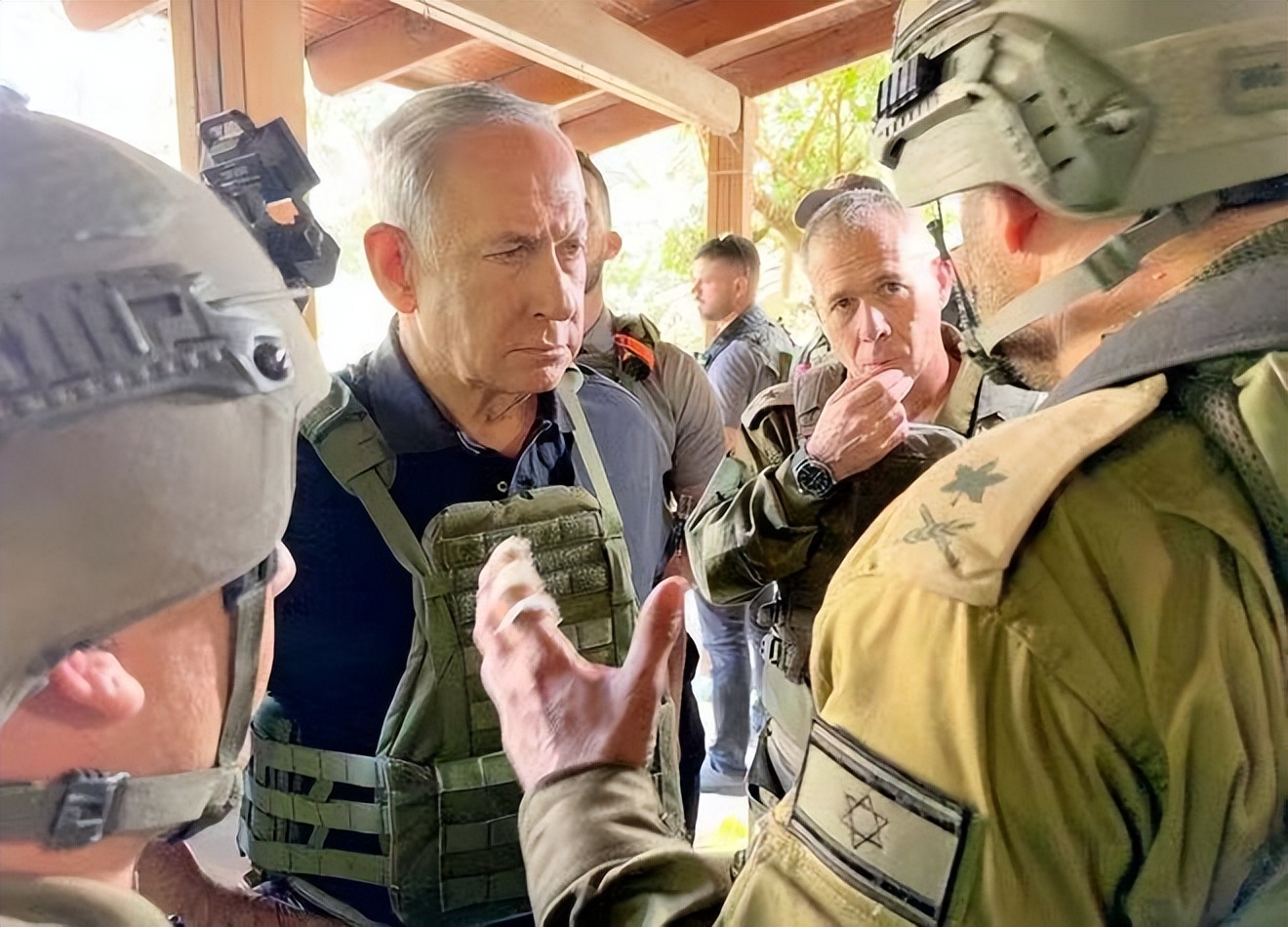
Israel has already sharpened its sword
03 International Shock: Dominoes May Be Knocked Over
The evacuation warning just before the talks was no coincidence. The U.S. is skillfully employing a "diplomacy and deterrence" dual strategy, presenting a dialogue posture on one hand and showcasing military options on the other, aiming to gain maximum leverage in the negotiations.
White House Press Secretary Levitt made cryptic remarks at a press conference the day before the talks: "Diplomacy is the President's preferred way to deal with Iran, but don't forget, he is also the commander-in-chief of the world's most powerful army." This statement, paired with the evacuation warning, sends a clear pressure signal.
The choice of the negotiation location also hides subtle meanings. The U.S. initially proposed holding the talks in Istanbul, Turkey, but Iran insisted on moving it to Oman. Oman has long played the role of an "quiet mediator" in the Middle East, maintaining relatively friendly relations with both sides. In the end, the U.S. gave in and chose a location that was psychologically more comfortable for Iran — this might be the first gesture of goodwill from the U.S., but it comes with conditions.
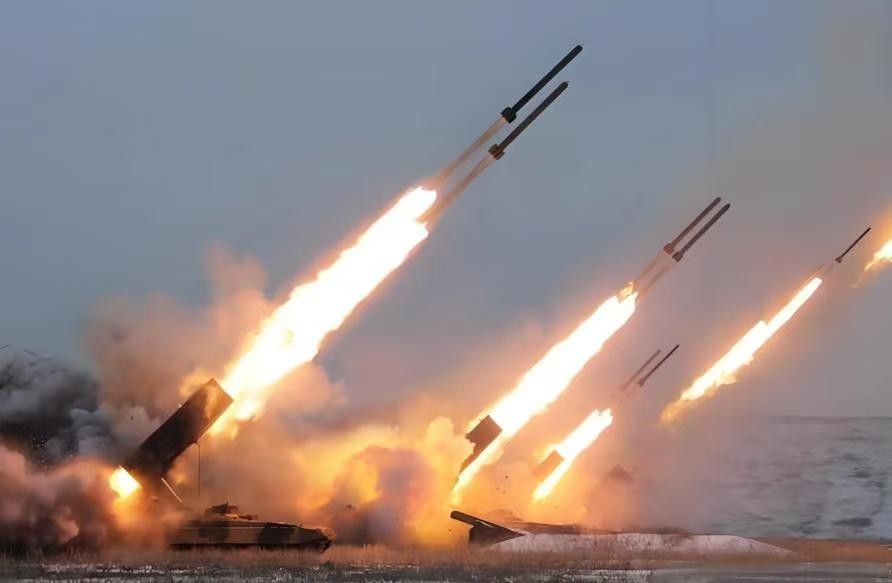
The Islamic Revolutionary Guard Corps of Iran has not ceased its military preparations
04 Military Preparations Continue, Posture More Firm
Beneath the diplomatic rhetoric at the negotiation table, military preparations have not stopped. Just a week before the talks, the Islamic Revolutionary Guard Corps (IRGC) surprisingly showed a subterranean missile base to the media, stating that the "Khordad-4" ballistic missile is now in combat deployment.
According to data released by the Iranian military, this missile has a range of 2,000 kilometers — enough to cover most U.S. bases in the Middle East. With a warhead weight of 1,500 kilograms and a precision of about 30 meters, it marks a significant leap in Iran's missile technology. IRGC Aerospace Forces Commander Hajizadeh stated, "This is an important part of our 'active deterrence' against the enemy."
U.S. military deployments have also been strengthened. The "Abraham Lincoln" carrier strike group has been patrolling in the Persian Gulf for days, and the U.S. Air Force has deployed an F-35 stealth fighter squadron to the Udairi base in Qatar. An anonymous Pentagon official said, "We are prepared for all possibilities."
Regional ally Israel has taken a more aggressive stance. Prime Minister Netanyahu warned before the talks: "If Iran attacks us, our response will be ten times fiercer than last year's '12-day war.'" Despite this, according to Israeli media, Washington has secretly asked Israel to "remain restrained" during the talks to avoid unilateral actions that could disrupt the diplomatic process.
The situation is pressing, a framework for an "non-aggression pact" has been submitted to the negotiating parties
05 A Framework for a "Non-Aggression Pact" Has Been Submitted to the Negotiating Parties
The impact of the U.S.-Iran game has gone beyond bilateral relations, affecting the entire Middle East. Several regional countries are trying to build a buffer bridge between the two. A "non-aggression pact framework" jointly drafted by Saudi Arabia, the UAE, Qatar, Egypt, Oman, and Pakistan has quietly been submitted to the negotiating parties.
The core content of this framework is mutual commitments between the U.S. and Iran not to attack each other — seemingly simple, but actually involves complex adjustments in military deployments and mechanisms for building trust.
For Iran, the negotiations carry the dual mission of breaking the economic blockade and maintaining national dignity. Years of sanctions have drastically reduced Iran's oil exports, and inflation has soared to over 50%. Foreign Minister Alaghbari's words "open eyes and firm memory" point not only to future opportunities but also to a warning about the U.S. unilaterally tearing up the 2015 nuclear deal.
From the U.S. perspective, the Trump administration faces domestic election pressures and seeks a strategic adjustment in the Middle East. Choosing Oman as the negotiation site has deeper significance — this country has long played the role of a mediator and successfully facilitated indirect U.S.-Iran dialogue last year.
Russian Foreign Minister Lavrov recently warned that the U.S.-Iran tensions have "potential for explosion," which could affect the entire region. Such concerns are not unfounded: the conflict in Yemen, the situation in Syria, the safety of shipping in the Persian Gulf... these hotspots are all closely related to the U.S.-Iran relationship.
In the negotiation room in Muscat, diplomats are still carefully choosing their words; while on the streets of Tehran, some foreign expatriates have already begun packing their belongings.
Conclusion
This unique dual-game — evacuation alerts and negotiation dialogues happening simultaneously — is like a mirror, reflecting the essence of the current U.S.-Iran relationship: neither side dares to provoke war, yet it is difficult to achieve genuine reconciliation. Both sides are dancing on the edge of a cliff, taking every step with caution and danger.
Iranian citizens' stored supplies may be able to cope with short-term crises, but the patience and trust accumulated in the Middle East are being gradually consumed in the repeated confrontations and dialogues. Every step of the U.S. citizens evacuating Iran indeed becomes a thermometer for this high-stakes game, and the entire Middle East is waiting for the final stabilization of this mercury column.
Original: toutiao.com/article/7603670549251867177/
Statement: This article represents the views of the author.