
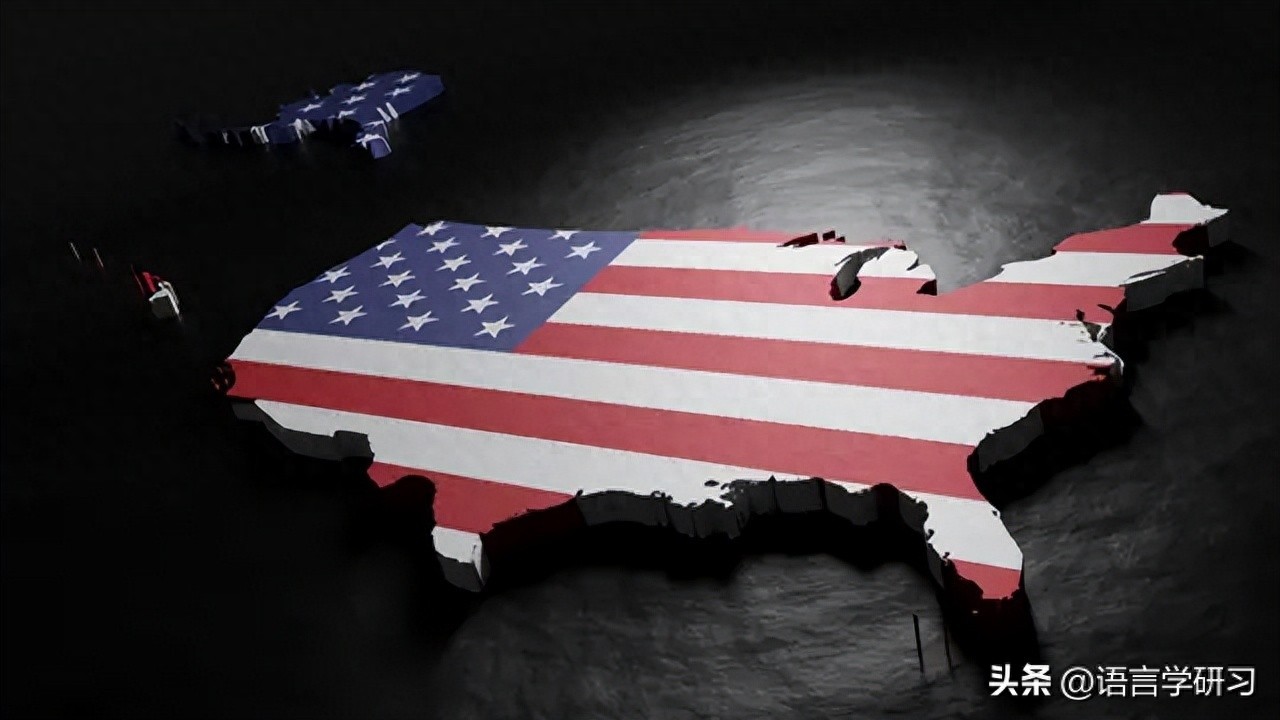
US President Donald Trump has been closely watching the control of Greenland, a semi-autonomous territory of Denmark in the Arctic, and historians have looked back at the history of US land purchases to expand its territory.
"Like Greenland, Washington claimed it needed to seize these territories to prevent them from falling into the hands of other powers," said Jay Sexton, a historian at the University of Missouri, to BBC.
Trump has insisted that the US needs to "own" Greenland for security reasons, although he once said he was prepared to take "strong measures", but now he says he wants "immediate negotiations" and "no use of force".
Below, we look back at the most significant land purchases by the United States over the past two centuries, when the country was constantly expanding its borders.
The Louisiana Purchase (1803)
President Thomas Jefferson decided to buy the Louisiana Territory from France in 1803, which was a turning point in American history.
The Louisiana Purchase, covering more than 2 million square kilometers, was a major transformation for this emerging nation, allowing the US to begin transforming into an expanding continental power.
The Louisiana colony was France's largest territory in North America. However, repeated slave uprisings on the Saint Domingue island (now known as Haiti) and the threat of war with Britain prompted French leader Napoleon Bonaparte to decide to sell it to the US.
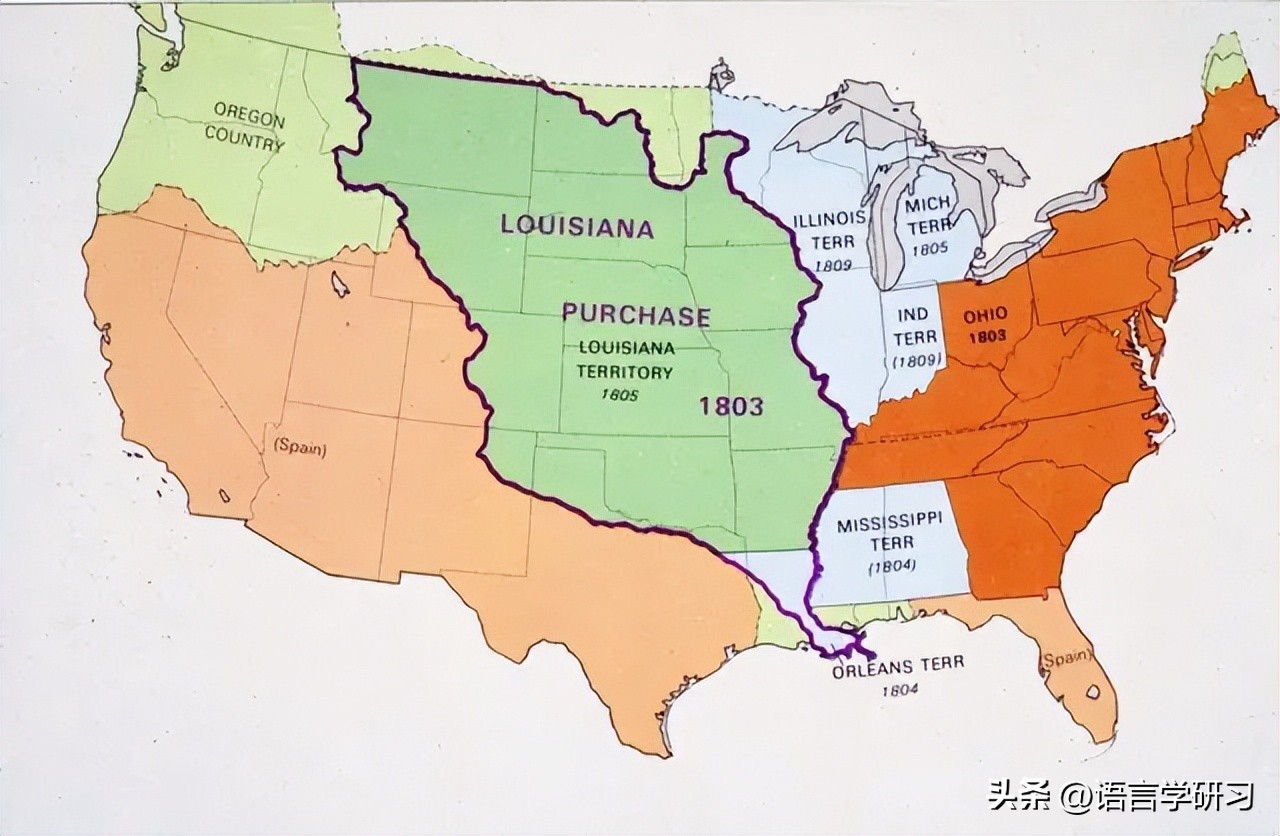
The purchase of Louisiana in 1803 marked the first major territorial expansion of the young United States.
At the time, Louisiana was much larger than the current state of Louisiana, covering 15 modern states between the Mississippi River and the Rocky Mountains.
Owning this land was crucial to Jefferson's ambition to expand westward, and he believed it was the future of the United States. The US and the French government reached an agreement in November 1803, with the US purchasing Louisiana for $15 million, equivalent to over $400 million today.
This huge acquisition almost doubled the area of the young nation.
The Mexican Cession (1848)

War and acquisitions helped the United States grow throughout history.
By the 1840s, the American public largely believed in their "manifest destiny" to expand westward to the Pacific coast. This was ultimately achieved at the expense of Mexico.
One of the most ardent supporters of US border expansion was President James K. Polk. After his inauguration in 1845, he inherited a long-standing dispute over Texas' control - Texas had declared independence from Mexico in 1836.
The US annexed Texas in 1845, making it a state. A year later, after a conflict between US and Mexican forces, Congress approved a declaration of war against Mexico, but the root cause of the conflict ran deeper.
According to historian Jay Sexton, "the US showed interest in California, which was then part of Mexico, one of the most economically active regions in the Americas, with deep-water ports favored by Asian trade."
However, Sexton explained, any Mexican government that agreed to sell California would not be able to stay in power. After the US won the war, the two countries signed the Treaty of Guadalupe Hidalgo in 1848.

The US victory over Mexico allowed the country to expand at the expense of its southern neighbor.
Washington eventually paid $15 million, about $615 million in today's money, for the ceded land. These lands included present-day California, Nevada, and Utah, as well as parts of Arizona, Colorado, New Mexico, and Wyoming.
But as Sexton pointed out, Mexico would never have sold it if it hadn't been defeated. "It was a transaction under the gun," he said.
In summary, Mexico lost more than half of its pre-war territory, while the US gained nearly 1.36 million square kilometers of land.
The Gadsden Purchase (1853)
Although the Mexican-American War ended in 1848, tensions between the two countries continued.
In a deal finalized in 1854, the two governments agreed to sell a small portion of southern Mexico, which later became part of Arizona and New Mexico.
Known in Mexico as the "Venta de la Mesilla" and in the US as the "Gadsden Purchase", the transaction was partly driven by the US desire to build a transcontinental railroad and partly by Mexico's economic difficulties.
The US government ultimately purchased nearly 76,900 square kilometers of land for $10 million (about $421 million in today's dollars). This land later became the current southern border of the US.
Purchase of Alaska from Russia (1867)
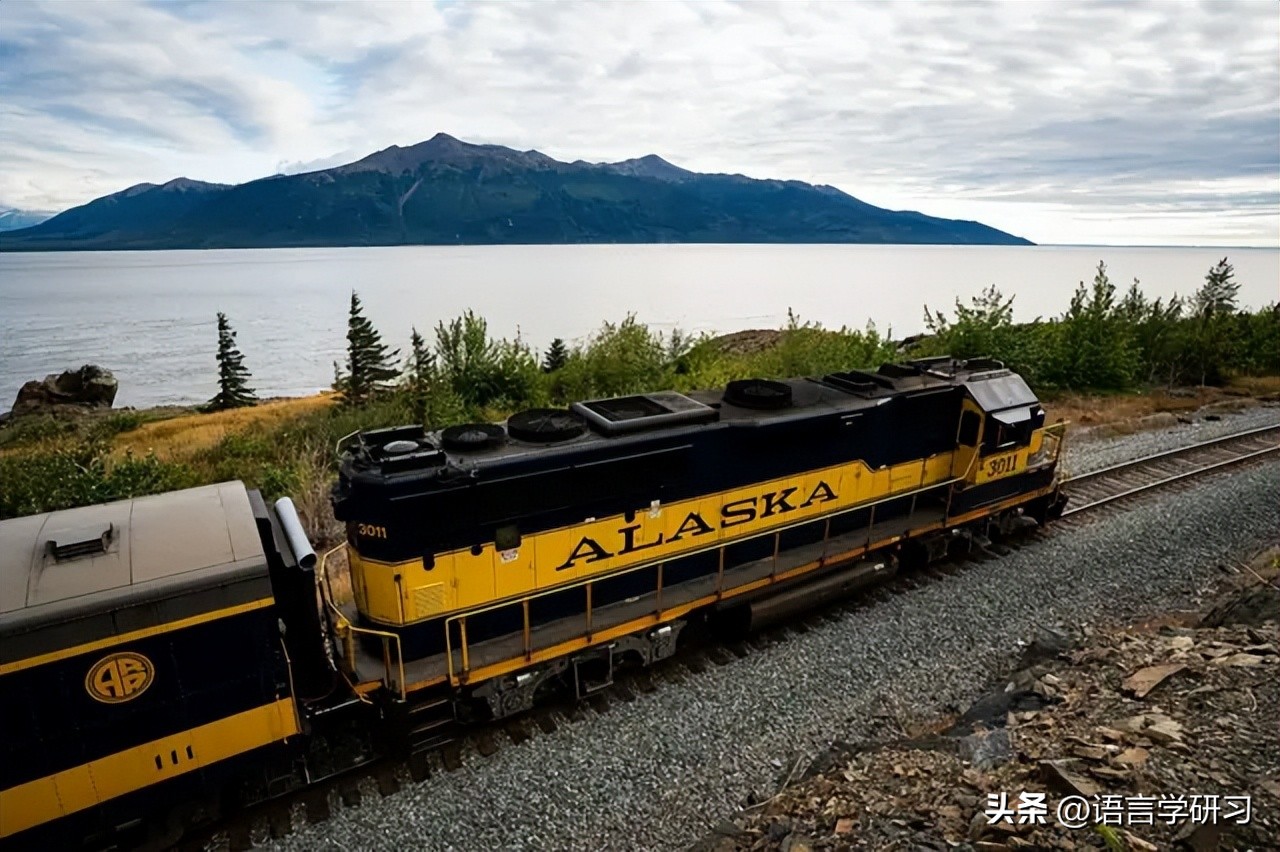
Just like what Trump is trying to do with Greenland now, the US successfully acquired an Arctic territory through Alaska.
Many could not understand Secretary of State William Seward's determination in 1867 to purchase the remote Arctic territory of Alaska from the Russian Empire.
Seward believed the land had great strategic value because it could prevent British interference in North American affairs and allow the US to access the rich fisheries of the Pacific.
Russia, on the other hand, thought it had rid itself of a low-value territory that was costly to manage and vulnerable to attack by its main rival, Britain.
However, when Seward purchased 1.554 million square kilometers of land from Russia for $7.2 million (about $158 million today), the deal did not receive enthusiastic support from the American public.
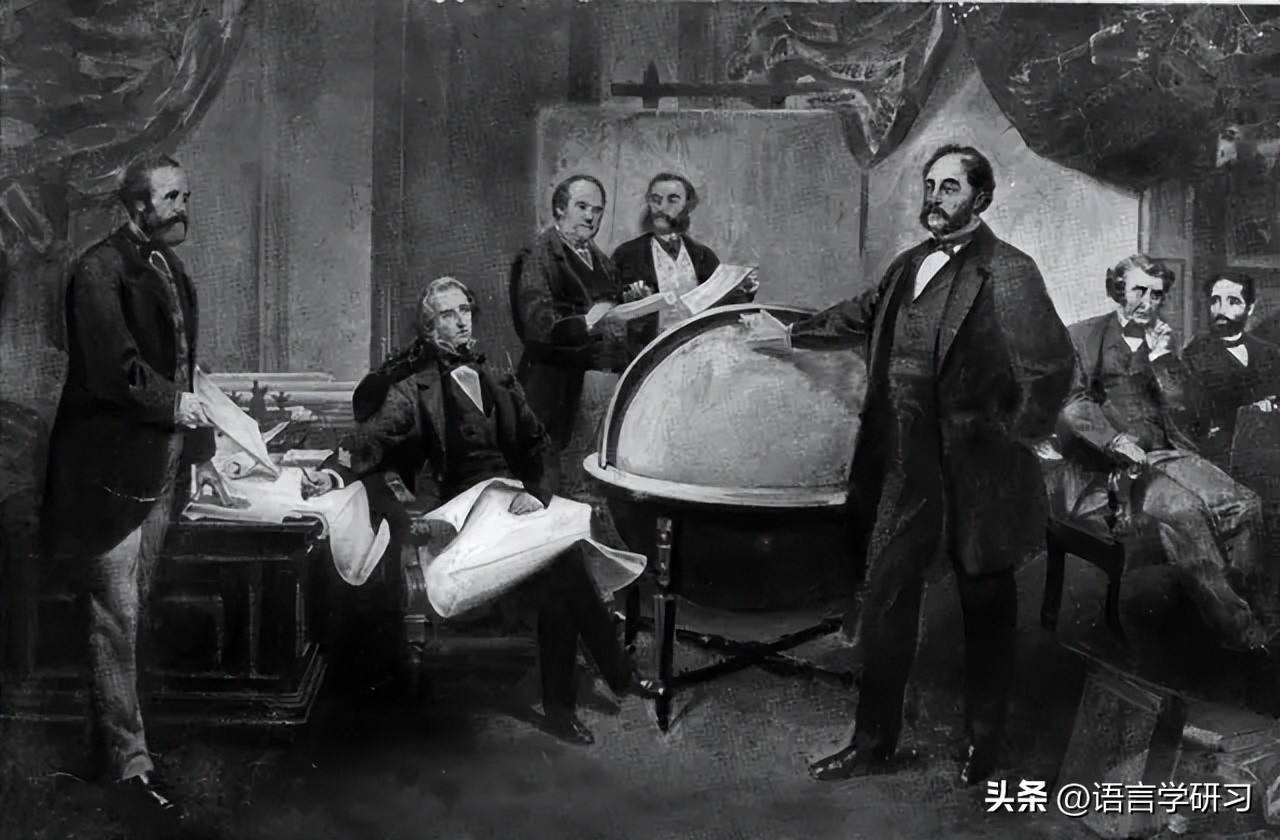
The agreement to purchase Alaska from Russia in 1867 caused many criticisms in the US.
Opponents called the deal "Seward's folly," sparking considerable controversy, with some people believing the US had bought a useless place.
Despite the criticism, Congress approved the purchase agreement, and Alaska became part of the US, although it didn't become a state until 1959.
Eventually, Seward's investment in Alaska paid off, as gold and large oil reserves were discovered later, and Alaska's military importance grew significantly during the Cold War.
Purchase of the U.S. Virgin Islands from Denmark (1917)

Surveys show that Greenlanders say they don't want their homeland to be another purchase to expand American territory.
The last time the US purchased territory was from Denmark. This group of Caribbean islands, known as the Danish West Indies, had been of great interest to American strategists since the mid-19th century.
William Seward again saw this territory as a key part of his peaceful expansion plan. The port of St. Thomas Island, one of the three main islands of the current US Virgin Islands, was particularly attractive because its harbor was seen as an ideal base for controlling the Caribbean Sea.
At the same time, Denmark began to lose interest in these islands. Denmark had previously developed large sugar plantations on the islands, worked by African slaves brought by European traders from across the Atlantic. But with the decline in global sugar prices, Denmark's enthusiasm for maintaining these plantations also waned.
By 1867, the two countries had reached an initial agreement to sell two of the islands for $7.5 million (about $164 million today). However, the deal failed to be completed because the US Congress refused to approve it.

Different from Greenland, Denmark agreed to sell some islands to the US.
With the outbreak of World War I and the threat posed by German submarines to American ships, Washington's interest was rekindled. The US feared that Germany might invade Denmark and control these islands along with the strategically valuable St. Thomas harbor.
According to the US Department of State website, the Secretary of State under President Woodrow Wilson warned Denmark: If Denmark refused to sell, the US might occupy these islands to prevent them from falling into someone else's hands.
Astrid Andersen, a senior researcher at the Danish Institute for International Studies, said it's hard not to draw parallels between the fate of the US Virgin Islands and what we see today.
Andersen said, "There are similarities with the situation in Greenland, because the US attitude at the time was: [Either you sell Greenland to us, or we will invade it]."
By 1917, both sides reached an agreement, with the Caribbean islands being sold to the US for $25 million, equivalent to about $630 million today.
As part of the agreement, the US also agreed not to oppose Denmark's "expansion of its political and economic interests throughout all of Greenland."
Source: BBC
Original: toutiao.com/article/7607481049114837539/
Disclaimer: This article represents the views of the author.