

Hashimoto Takahiro
The "Japan Economic Newspaper" is a newspaper in Japan that mainly reports on economic issues. In the Chinese world, many people can easily read the "Japan Economic Newspaper" (Chinese edition) to learn more about Japan and the world.
However, few people know the relationship between this newspaper and the Japanese government as well as the Abe faction (the political faction from which the Prime Minister Kishida comes).
Shortly after Prime Minister Abe became the Japanese Prime Minister again, the British Financial Times called Abe's economic policy "Abenomics," which became one of the popular terms in the world that year.
At the same time that Abe became the Japanese Prime Minister, the Financial Times was suffering from poor management and sold its shares. The one who bought the shares was the Japan Economic Newspaper, spending 840 million euros to acquire control of the Financial Times.
The Japan Economic Newspaper has an annual sales of only 1 billion yen in Japan, but it would have to use at least 20 years of profits to buy a long-established British newspaper. Why?
The Japanese government under Prime Minister Abe strongly supported the Japan Economic Newspaper's acquisition, believing that it was the best opportunity to spread Japan's voice around the world, and the Japanese government fully supported it.
The Financial Times' praise for "Abenomics" brought worldwide attention, which was the best gift for the Abe administration.
In recent days, the debate over the "radar lock-on" between Japan and China has repeatedly confirmed the importance of this acquisition through the statements of the Japanese Defense Minister.
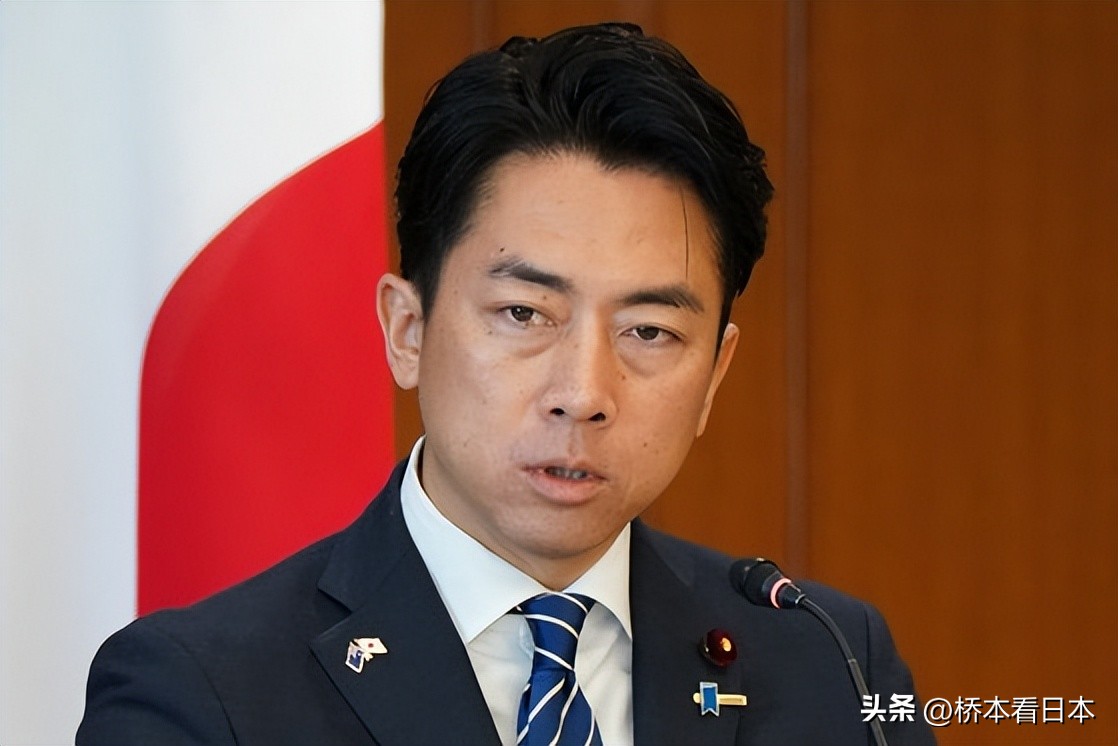
On December 7th, early in the morning, Japanese Defense Minister Koizumi Shinjiro held an emergency press conference and announced that the Japanese F-15 fighter jet had been locked by the J-15 aircraft taking off from the neighboring country's "Liaoning" aircraft carrier, claiming that the situation of fighter radar locking was very serious.
Prime Minister Kishida followed up, stating that the situation was serious, there were no prior notifications for the exercises, and the radar locking of Japanese fighters made Japan feel threatened, and they would submit a serious protest to the neighboring country.
Naturally, this protest was completely rejected by the neighboring country, which also pointed out that Japan's behavior of trying to enter the exercise area was very challenging and dangerous.
On December 8th, the neighboring country released the recording of the "Liaoning" aircraft carrier and the Japanese escort ship, proving that the exercise time and area had been notified twice before the exercise, proving that the Japanese side's press conference was fabricated.

As a result, the domestic wind direction in Japan completely changed, and the journalists focused on asking Defense Minister Koizumi Shinjiro about his views on the neighboring country's prior notification.
This son of a wealthy family had to change his tone and said that such notifications were incomplete and could not allow Japan to know the specific details of the exercise, and the neighboring country's actions were threatening. He wanted the world to know this danger.
In other words, the Japanese side does not need facts or evidence, just loud voices and more allies, and they are right. And the Financial Times, a media with Japanese capital background, is a tool to spread Japan's voice around the world.
This "cognitive warfare" was not visible in the past because it was peaceful, but it quietly unfolded beneath the surface. Now, after Kishida's "use of force" statement, its role has been greatly magnified and has become an important helper for Japan to guide public opinion.
Not only in Japan, but this "cognitive warfare" is also quietly taking place domestically.
I have seen many self-media short videos talking about the Canon Zhongshan issue, believing that it was due to the tension in Sino-Japanese relations that Canon "moved away." Many readers asked me for detailed information.
I answered like this: First, Canon has many factories in mainland China, not only in Zhongshan, but also in Suzhou and other places.
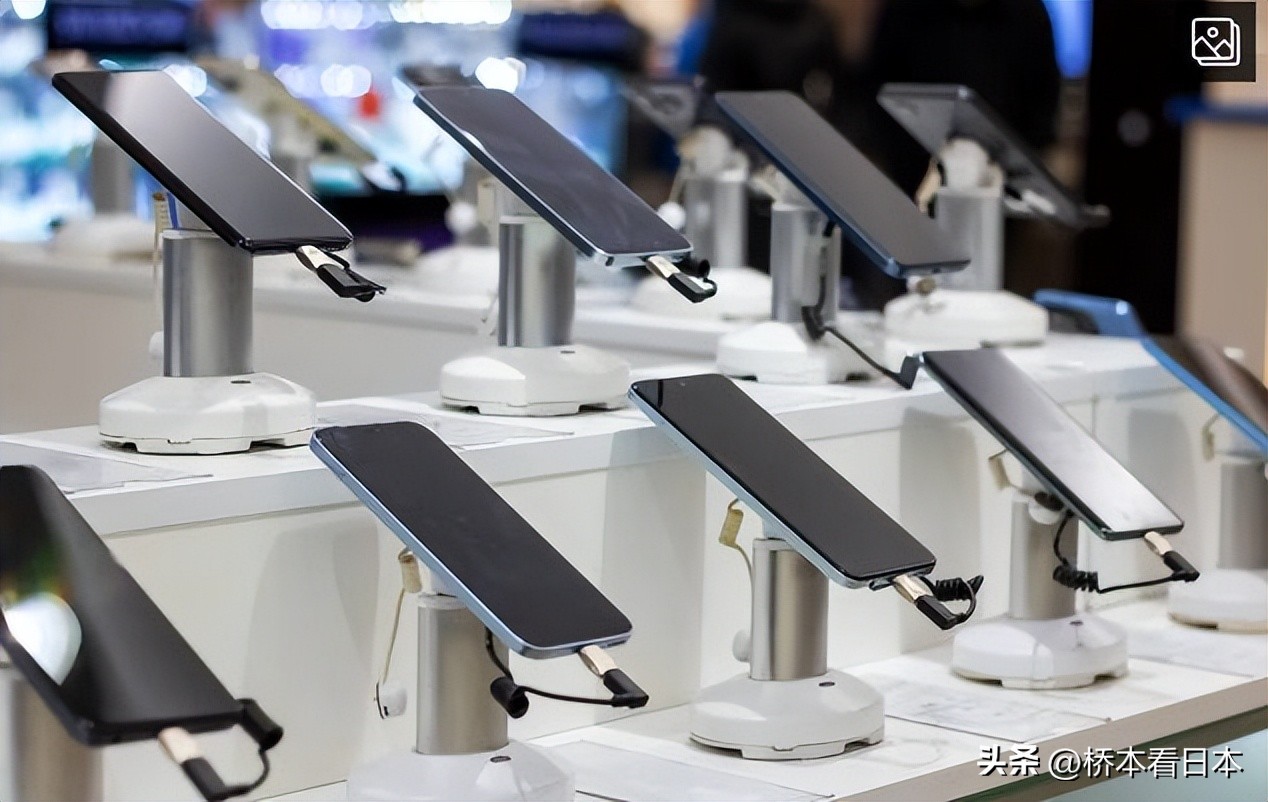
"Moving away" is not the first time. More than ten years ago, after the Diaoyu Islands incident, part of the Suzhou Canon factory had "moved away" to Southeast Asia, but eventually returned to the Suzhou factory due to quality, market, and supply chain issues several years later.
The Canon Zhongshan factory belongs to the printer business unit, producing laser printers. Not only in Japan, but also in China and internationally, it has always faced fierce competition, with a shrinking market.
Canon has always wanted to close it down, but due to the neighboring country's legal provisions regarding "closure" compensation, it took several years, and finally solved the issue as a special loss of the business unit.
According to industry insiders, Canon originally planned to follow the Toshiba model, selling the factory and brand (printer), but since there was no market, no one would take it over. Setting up a factory in Vietnam is still full of difficulties.
Now, after Kishida's "use of force" statement, Japanese companies are actually afraid of being excluded from the neighboring country's supply chain, and they cannot build the corresponding supply chain themselves, nor can they reach the level of the neighboring country's products.
Harsh reality is that except for photoresist (70%), and some semiconductor equipment, Japan's technological advantages over the neighboring country have basically disappeared.
Even photoresist, because of the previous sanctions against South Korea by Prime Minister Abe, the neighboring country's photoresist manufacturers expanded production to supply South Korea, covering all chip products. Even if Japan stops supplying photoresist, it will not cause the same situation as in South Korea.

Kishida's "use of force" statement increased the attention of the Japanese people on Japan's security, and also raised his popularity. However, the subsequent radar lock-on and bomber air exercises caused doubts among the Japanese public about the actual effect of Kishida's statement.
The former Japanese ambassador to China evaluated Kishida, saying that he could say tough words, but he needs strength. The real world looks at strength. Does Japan currently have the strength to face the neighboring country alone?
The harsh reality is that Japan does not have this strength. After making tough words, they do not want to retract them. When the neighboring country conducts exercises at home, they can only ask for help from "Dad."
According to the well-informed "Japan Economic Newspaper," Prime Minister Kishida sent an urgent request to Washington, wanting to quickly meet the U.S. President regarding the neighboring country's issues.
I have been observing the reaction from the United States after Kishida's "use of force" statement. Except for the U.S. ambassador to Japan giving a "wolf" statement, the U.S. side showed suspicious silence.
Even the U.S. president had a phone call with the neighboring country's leader and then called Prime Minister Kishida, asking him to be restrained.
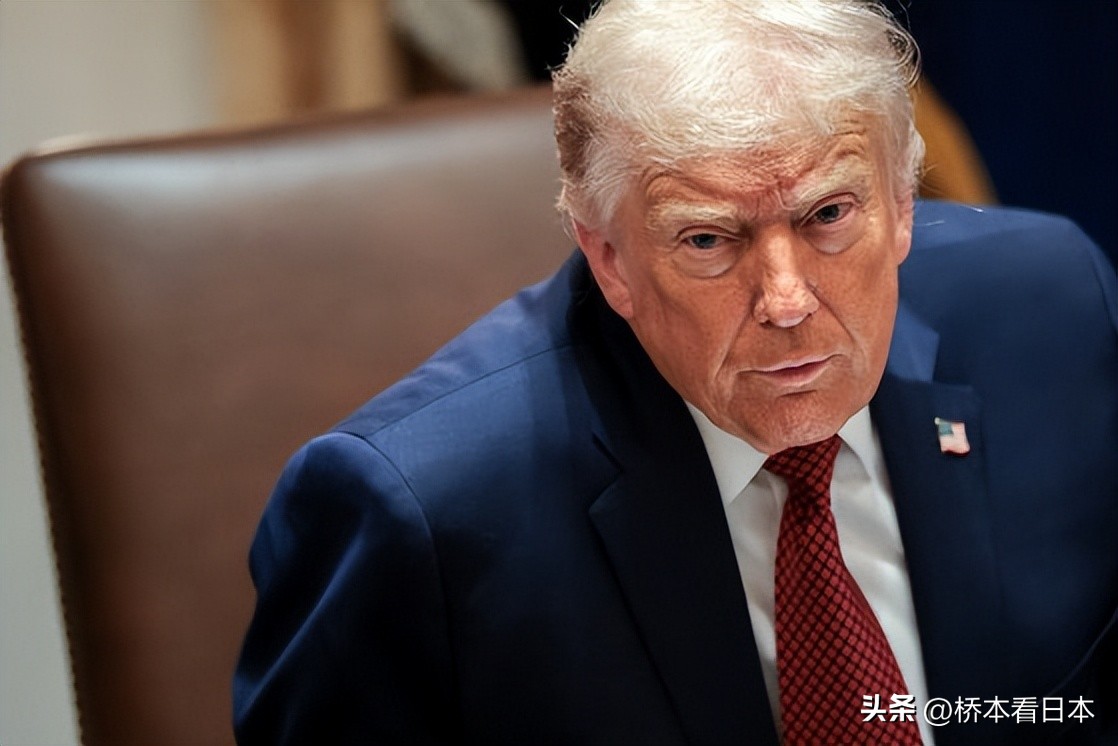
If my memory is correct, at that time, the Japanese side denied the content of President Trump's request for Japan to restrain itself, only acknowledging that the president talked about the U.S.-Japan alliance in the call.
Because of the U.S. side's silence and the Japanese government's denial, a debate formed within Japan, whether President Trump was standing on Kishida's side.
The former Abe faction, including former Prime Minister Asō Taro, and other right-wing conservative forces in Japan believed that the U.S. president was standing on Kishida's side.
It is now looking to see whether Trump is not standing on Kishida's side. They are very dissatisfied, thinking that Japan has been working hard for the U.S., even risking a confrontation with the neighboring country, but the U.S. has not even shown "support."
I think these people are really laughable, like the person who tried to find a sword in a boat, while the boat has already moved forward and he is still looking at the mark on the boat.
Because until last year, during the Biden administration, if Kishida had said that, the U.S. side would have responded immediately.
One year has passed, and the U.S.-China trade war suddenly broke out and ended quickly, and the relationship between the two countries has improved even more than during the Biden period, with a "no fight, no acquaintance" feeling.
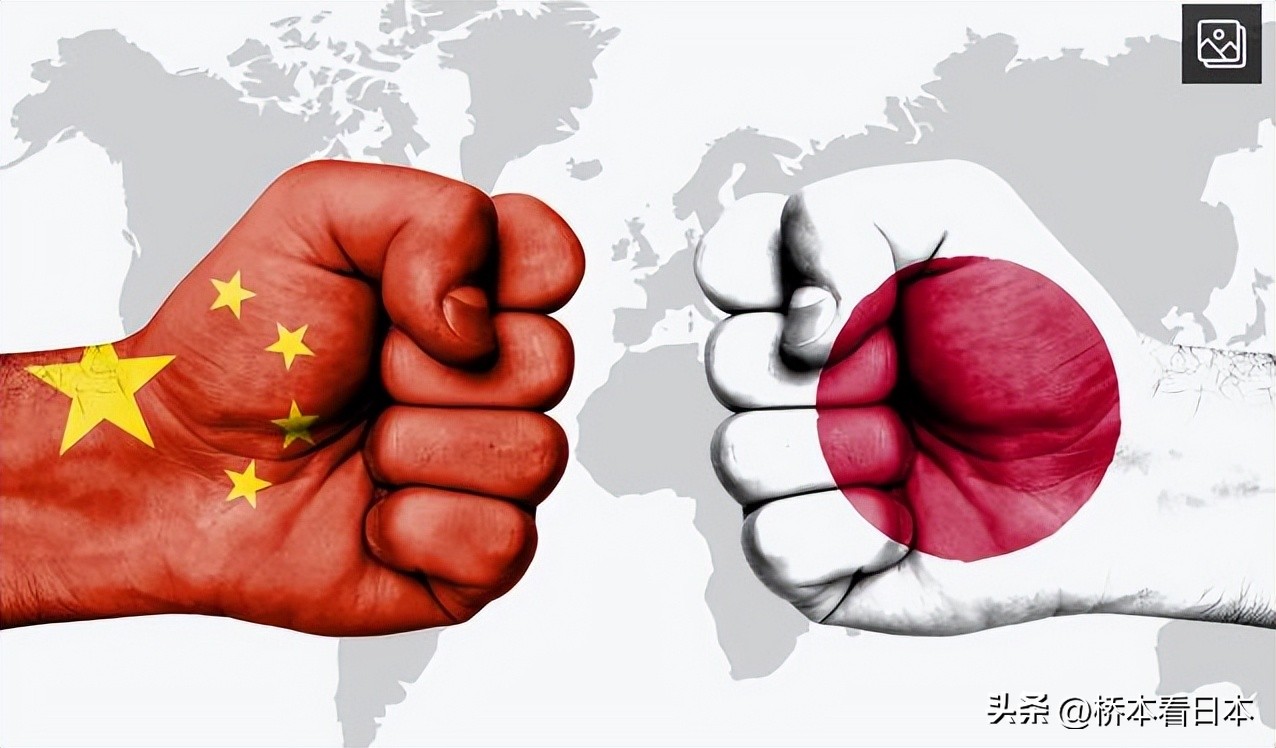
This is because Japan's perception of the neighboring country is still 15 years ago, when the neighboring country's GDP was less than Japan's, and it looked up to Japan.
Now, the neighboring country's GDP is five times that of Japan, with an annual growth rate of 5%, while Japan's annual growth rate is almost zero, yet it keeps saying that its economy is strong and the neighboring country's economy is collapsing.
This inability to face reality is why Kishida made the "use of force" statement like the person who tries to find a sword in a boat.
Thinking calmly, in 1989, Japan's GDP was six times that of the neighboring country. Within just 30 years, the neighboring country has become five times the size of Japan. I can't imagine what courage Kishida has to provoke the neighboring country.
Prime Minister Abe, Kishida's "confidant," once tried to stop the neighboring country's rise, wanting to form an encirclement around it, but ultimately failed.
Now, the most dangerous relationship in Asia with the neighboring country is with the Philippines, and the biggest supporting country behind it is Japan.
Originally, the ideal scenario was for the U.S. as the big brother to lead and mobilize allied countries to form an encirclement of the neighboring country, allowing Japan to enjoy the benefits without effort. Without U.S. leadership, it is almost impossible to counter the neighboring country.
Over the past 30 years, Japan has always tried to maintain its position as the leader in Asia, especially in Southeast Asia. However, now the neighboring country has become a superpower in East Asia, and Japan can hardly form an alliance against the neighboring country except for the Philippines.

Therefore, now Kishida has found trouble. The president is not the ideological Biden, but the money-driven Trump. They need the prime minister to visit Washington again, "reasoning and touching the heart" to persuade Trump.
In October 2025, the so-called "madam" Kishida prepared a ceremony for Trump's presidential inauguration in Japan, leading Japan, Australia, and India to hold a summit meeting together, with the noble cause of "open and free Indian-Pacific" to counter the neighboring country.
However, no statement was finally issued. This is completely different from the approach during the Biden era. Previously, whenever these four countries met, they would issue a statement to provoke the neighboring country. Whether these four countries can meet under President Trump is uncertain in the future.
Trump did not issue a joint statement with Kishida during his visit to Japan. Would Trump give her face if she went to Washington?
The madam jumped around like a young girl next to Trump in the U.S. base in Yokosuka, but she didn't win Trump's heart, but gained high support among the Japanese people.
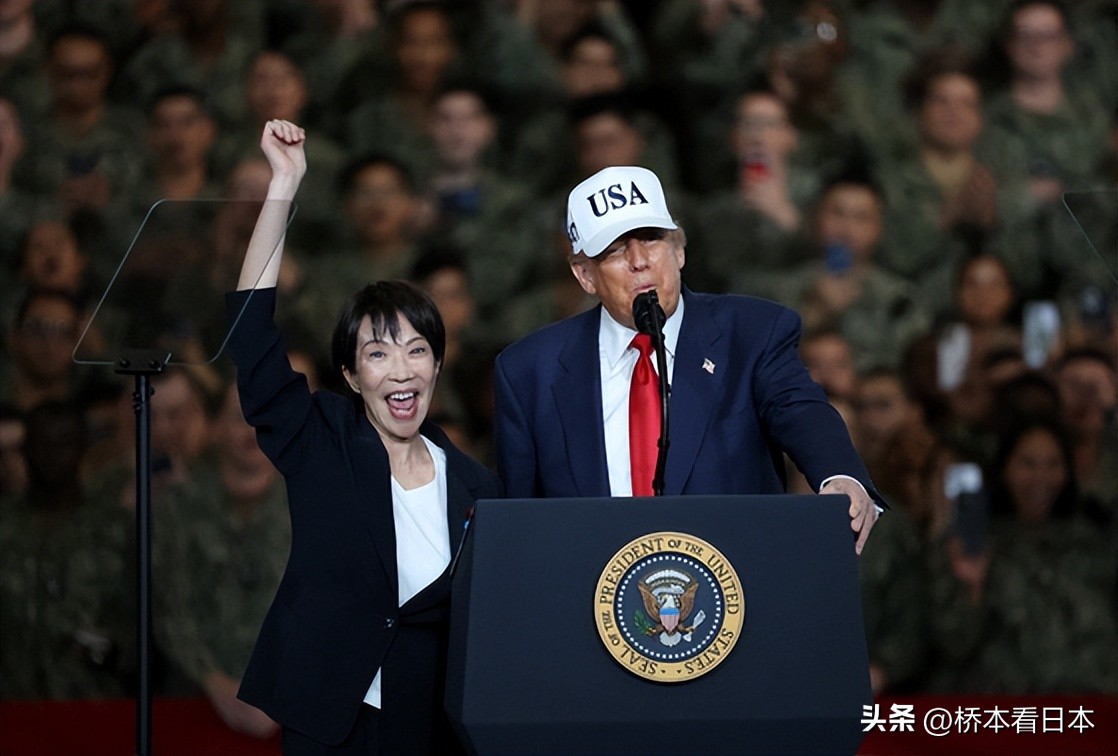
With high support, Kishida had the confidence to make the "use of force" statement. However, Trump did not hint that the U.S. would continue the previous strategy of containing the neighboring country.
Therefore, the U.S. "ambiguous" stance on "Taiwan affairs" has not changed significantly. This is also the reason why Trump called Kishida to ask for restraint.
When the U.S. power is relatively low, the European allies are economically sluggish due to the "Ukraine-Russia conflict," and South Korea and Japan are also struggling.
On the other hand, the neighboring country's power continues to grow, and the world is no longer the unipolar world that Kishida dreamed of, but has become a multipolar world.
Japan ignoring reality, Kishida's "use of force" statement is trying to drag the U.S. into the containment camp against the neighboring country. However, the U.S. itself hasn't prepared for it. If the U.S. believes that containing the neighboring country is beneficial to the U.S., how can it support Japan?
The risk for Japan to "use force" against the neighboring country is huge.
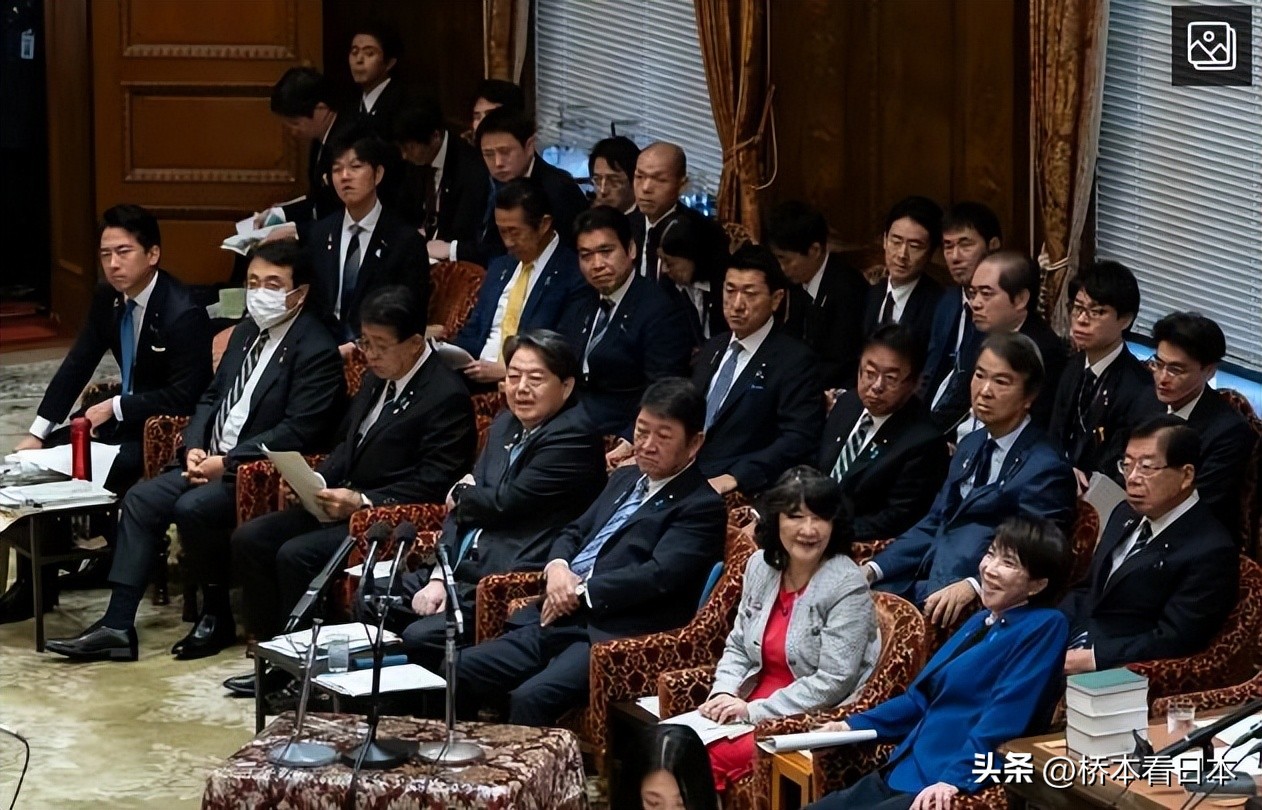
Trying to tightly cling to the legs of the American father, but the reality is that the world is multipolar, and merely clinging to the U.S. cannot make Japan safe. Kishida's provocation will not receive "praise" in Washington.
Original title: The statement of Kishida on "using force" against the neighboring country is extremely risky.
Original: toutiao.com/article/7582538511829303851/
Statement: This article represents the personal views of the author.