
【By Observer.com, Pan Yuchen / Editor: Gao Xin】On February 3, the Transport & Environment (T&E) organization released a report analyzing the impact of changes in EU emission policies on the sales of pure electric vehicles and carbon dioxide emissions within the EU.
On December 16, 2025, the European Commission published a proposal to revise the EU car carbon dioxide emission regulations: by 2035, new car carbon dioxide emissions will be reduced by 90% compared to 2021 levels, rather than achieving zero emissions.
T&E believes that reducing the EU's 2035 carbon dioxide reduction target from 100% to 90% is expected to reduce the share of pure electric vehicles from 100% to 85%. In addition, this proposal brings high uncertainty, as the sales of new pure electric vehicles could fall by 50%–95%, depending on the powertrain strategies adopted by automakers.
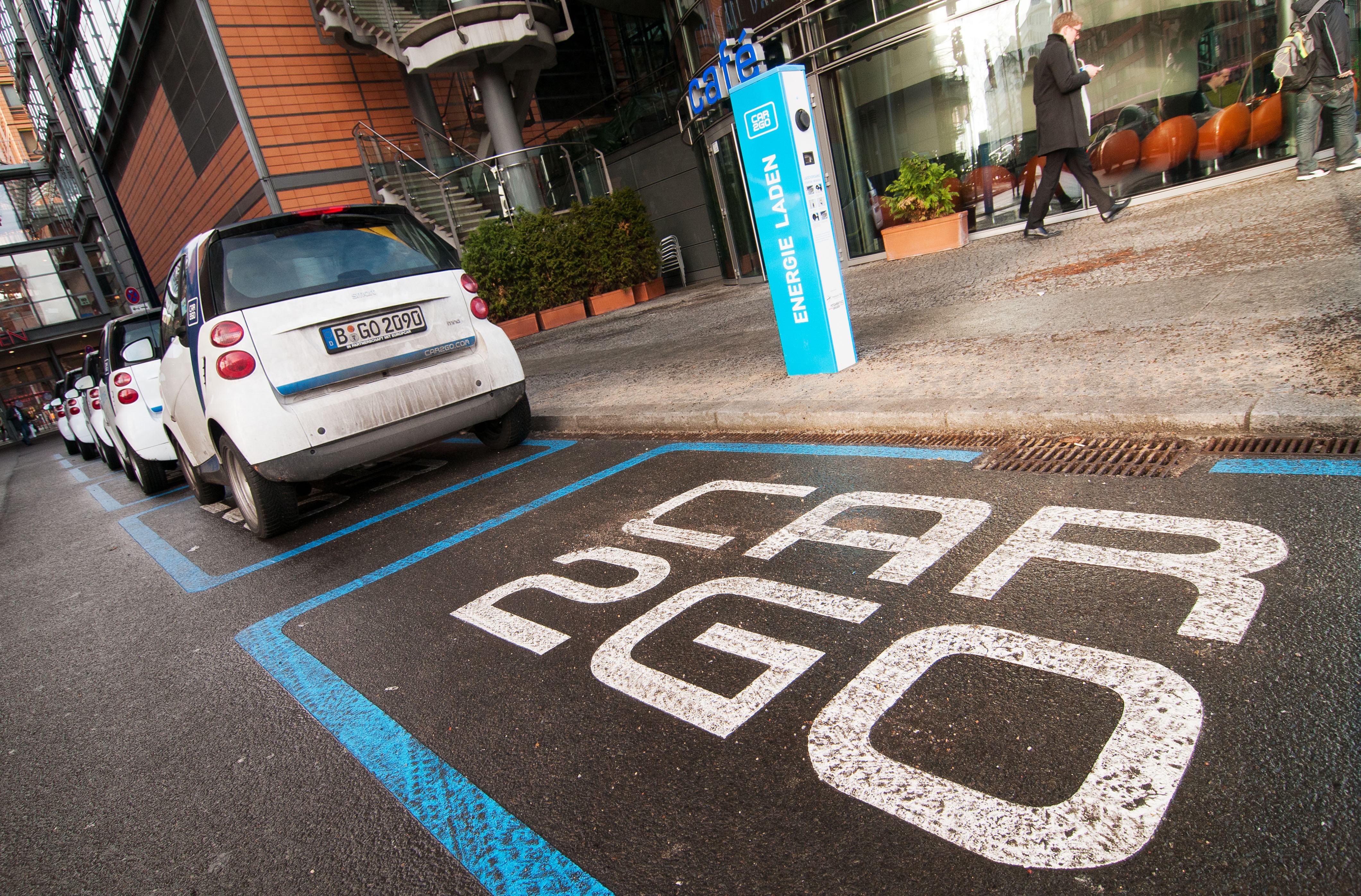
European Electric Vehicles, Oriental IC
Additionally, the previous EU 2030 target will be calculated using an average over three years from 2030 to 2032, meaning that by 2030, the share of pure electric vehicles in the EU will drop from 57% to 47%.
Based on this proposal, cars will emit an additional 720 million tons of carbon dioxide between 2025 and 2050, which is 10% higher than the current regulatory scenario.
Notably, in the first half of 2026, the European Parliament and Council will discuss and determine their position on the Commission's proposal, including potential amendments to the regulation. T&E analysis states that if the EU further reduces the 2035 carbon dioxide reduction target to 80% and extends the averaging period for the 2030 target to five years, the sales of pure electric vehicles will slow down further. By 2030, the EU's pure electric vehicle sales will only reach 32%, instead of 57% under the current regulations; by 2035, it will be 70%, instead of 100%; compared to the current regulations, this would result in an additional 1.4 billion tons of carbon dioxide emissions from vehicles.
T&E stated that while Europe needs to catch up with Chinese electric vehicle manufacturers, weakening the 2035 electric vehicle target sends a harmful signal. This will shift corporate investment in electrification away from the EU.
As the pace of electrification slows down, the EU's energy demand and the risk of imported fuels will increase, weakening Europe's industrial competitiveness amid intensified global competition in clean technology. In particular, the battery industry will be affected, as weak demand in the EU will undermine economies of scale and learning effects. Moreover, increased sales of internal combustion engine vehicles, which are less efficient, will lead to higher fuel expenditures, thus increasing total ownership costs, with a greater impact on low-income families, thereby affecting the EU's macroeconomic trends.
This article is exclusive to Observer.com. Unauthorized reproduction is prohibited.
Original: toutiao.com/article/7602576538873168425/
Statement: The article represents the views of the author alone.