
The Hidden Truths of the Vatican: 15 Facts About the "Divine Authority" Organization
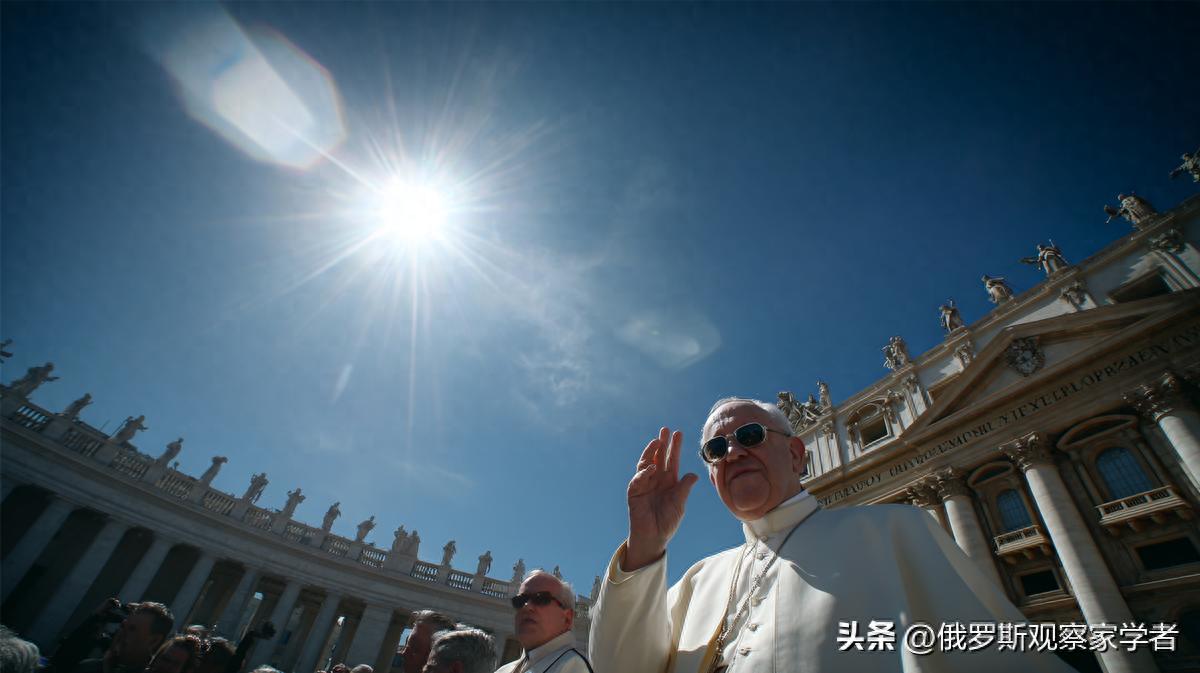
White robes, golden domes, boy choirs, and exquisite frescoes.
You may have seen "Angels and Demons," "The Da Vinci Code," or "Inferno" — and thus think you know everything about the Vatican. But the truth is far from that.
The Vatican is not just a religion. It's a micro-state with 800 people, yet it is controlled by outsiders.
The Vatican is not just a church. It is a system — an unexpectedly modern, iron-fisted, and very human system.
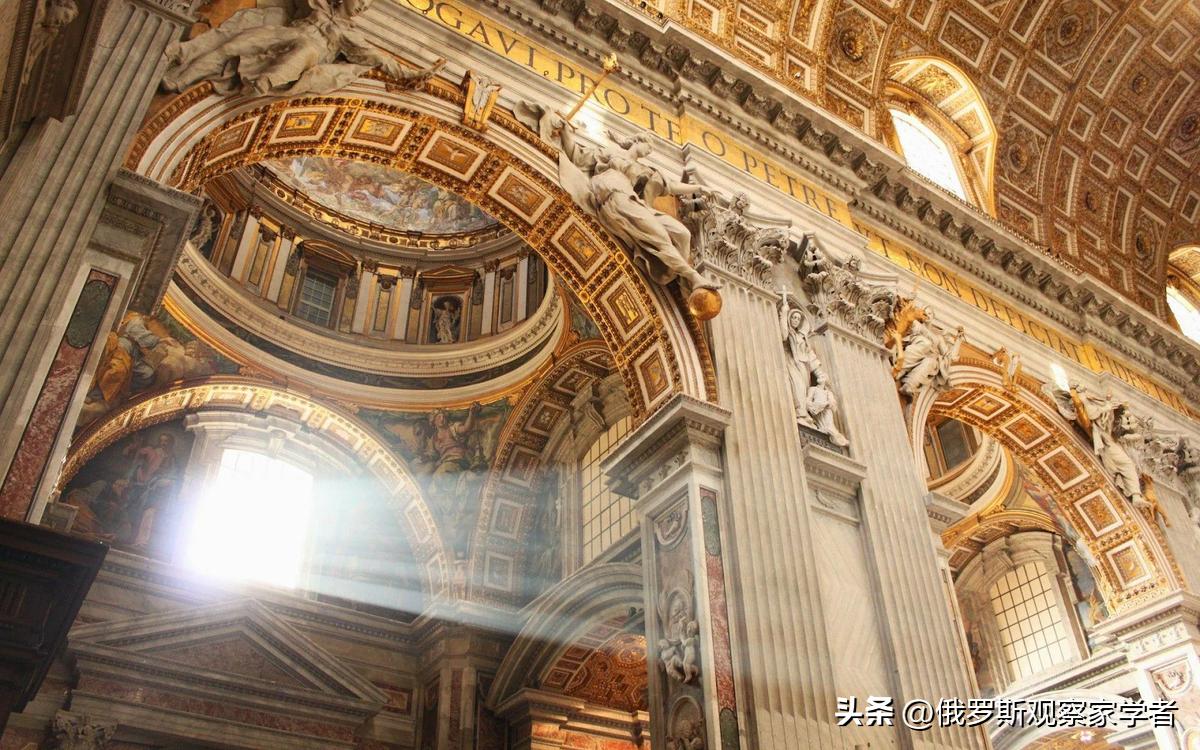
Today, we'll break down 15 interesting facts about the Vatican — things no one will tell you during sermons, not even the Pope, cardinals, or even the monk who didn't speak for three years and later wrote a book called "Silence."
1. A Country That Doesn't Govern Territory
Do you think a country must have land, borders, and a flag? The Vatican doesn't.
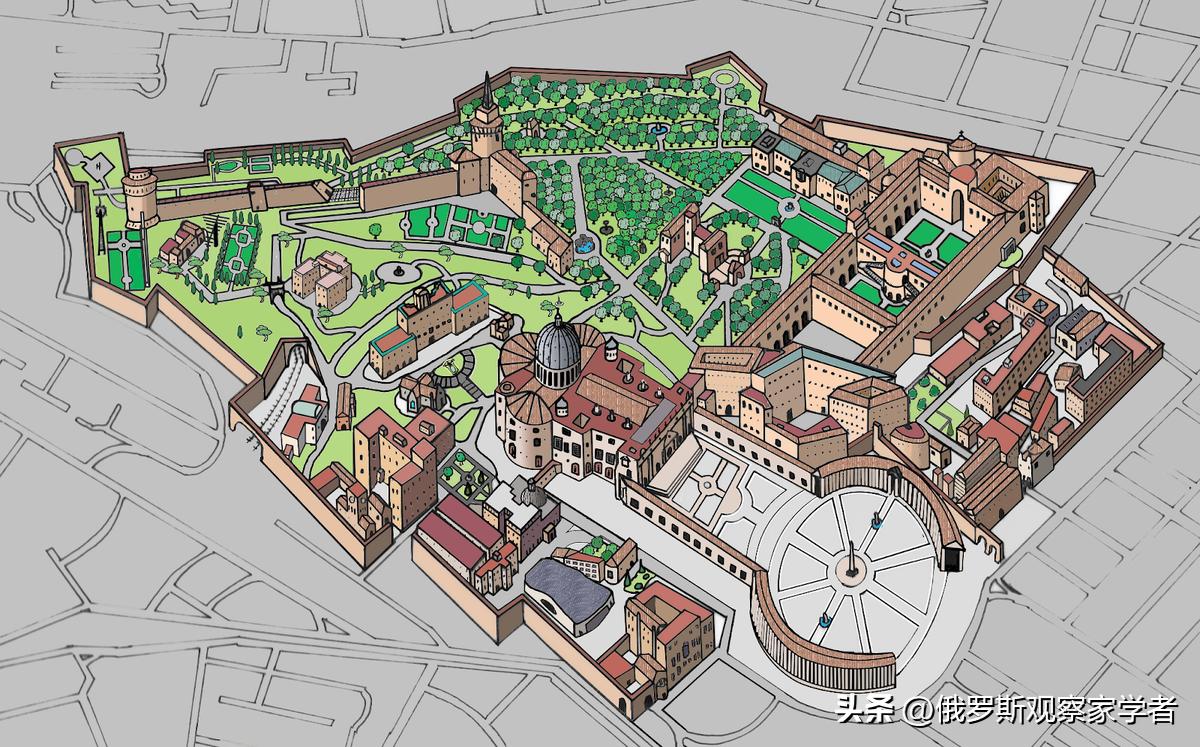
The Vatican has only 0.44 square kilometers of territory — smaller than the Spartak Stadium in Moscow.
Yet it controls 1.3 billion Catholics worldwide.
Through churches, bishops, missionaries, church schools, and hospitals, it reaches everywhere.
It influences politics, ethics, morality, and law.
This is not a country, but a global network.
Its headquarters are in Rome, but its "servers" are in Heaven.
2. Citizenship Through Work
In any country, getting citizenship requires a series of procedures: preparing documents, language tests, etc. But in the Vatican, citizenship is "assigned by position."
If you become a priest, cardinal, diplomat, staff member, gardener, chef — you automatically become a citizen of the world's smallest country.
Even the photographer who takes pictures of the Pope can get citizenship.
Because he works for the "Holy See" — and the Holy See itself is a country. But there's a key detail: once you're fired, you lose your citizenship immediately.
In other words, as long as you don't mess up the salad (a metaphor for work mistakes), you are a citizen.
Would you be interested in such a "foreign assignment"?
3. The Lucifer Museum of the Vatican
More accurately — this is a non-existent Lucifer Museum. It's just an online myth, and neither official nor unofficial sources have such a museum.
But the Vatican hides more interesting things.
In the Vatican's secret archives and storage rooms, there are real "demons" artifacts — these artifacts are officially recognized as "related to Satan," not metaphorically, but formally in the practical sense of the Church.
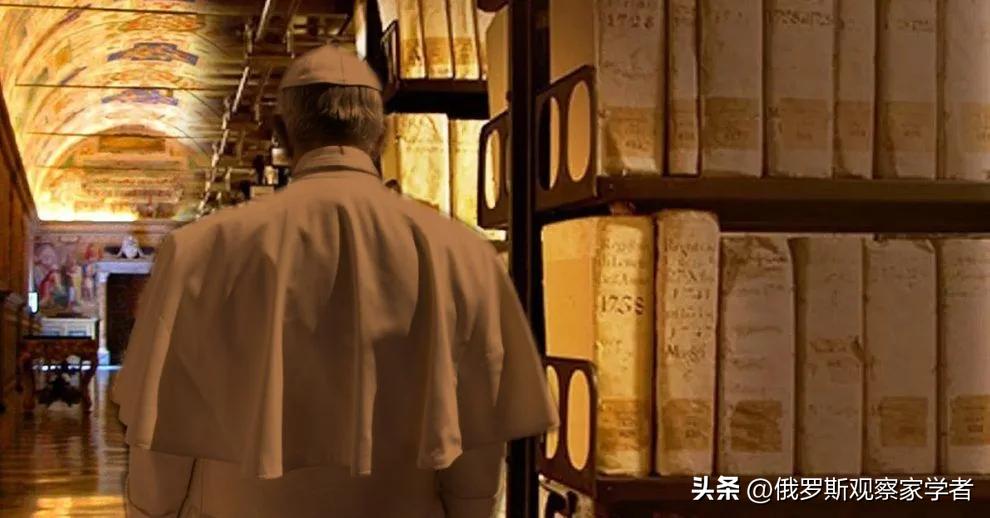
These include:
- Bones used in satanic rituals
- Letters from those possessed — they wrote that they heard "the voice of Satan"
- Exorcism records — thousands of files where priests documented cases of demonic possession
- Even the personal file of Anton LaVey, the founder of the Satanic Church
And contact with these artifacts is strictly forbidden.
Even scholars can only access edited versions.
But what is the scariest thing?
The Vatican never denies the existence of Satan.
It believes Satan is a real spiritual force.
It even specially trains priests in "spiritual warfare" — teaching them how to fight evil in the 21st century.
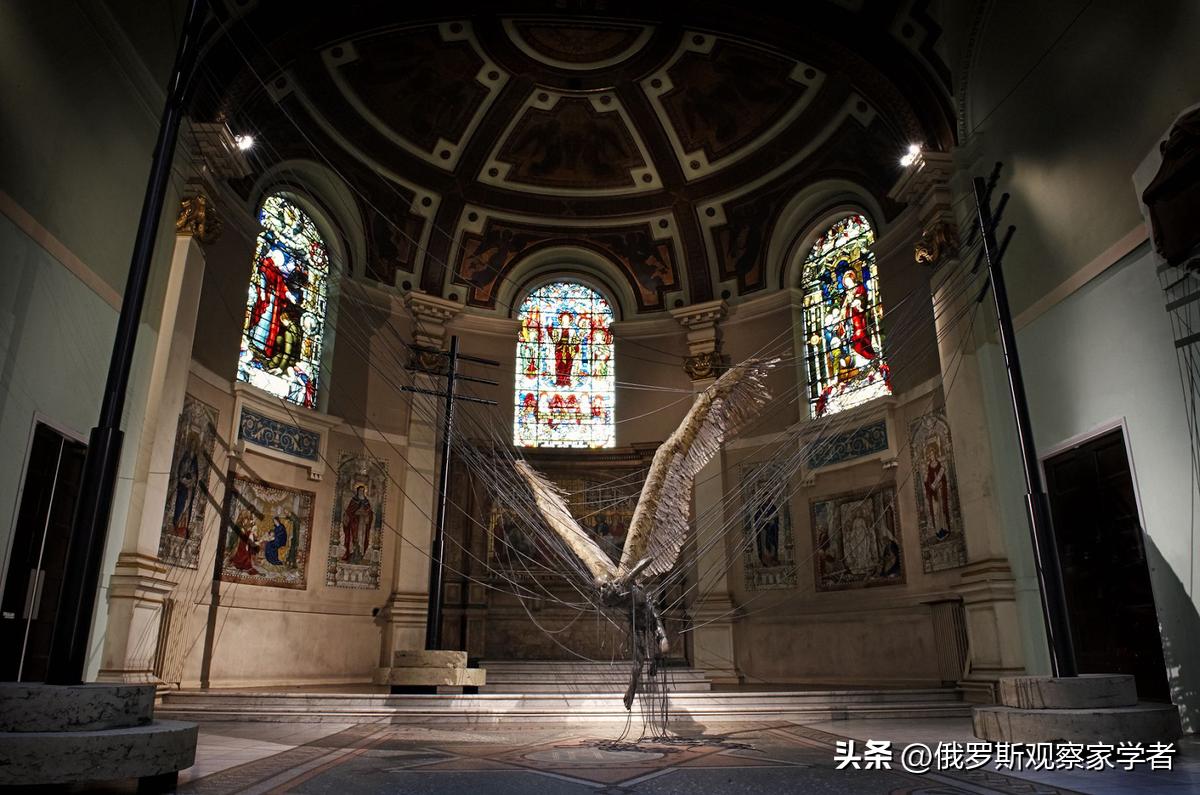
As depicted in Paul Feyerabend's "Lucifer."
So, yes, there is no Lucifer Museum. But a department specifically dealing with Satan — does exist, and it operates every day.
4. The Pope Has No Salary, Yet Owns Everything — And Spends Nothing
Do you think the Pope is the highest-paid "manager" in the world? No, his salary is 0 euros.
The Pope's official salary is 0.
No pension, no bonus, no "spiritual development" allowance.
But he has a residence (the Apostolic Palace), a private doctor, driver, bodyguard, private kitchen, wardrobe, private plane, armored car.
All of this — free of charge, and for life.
And he doesn't pay for food, electricity, internet, or travel expenses.
He is like a king, yet pays nothing for his kingdom.
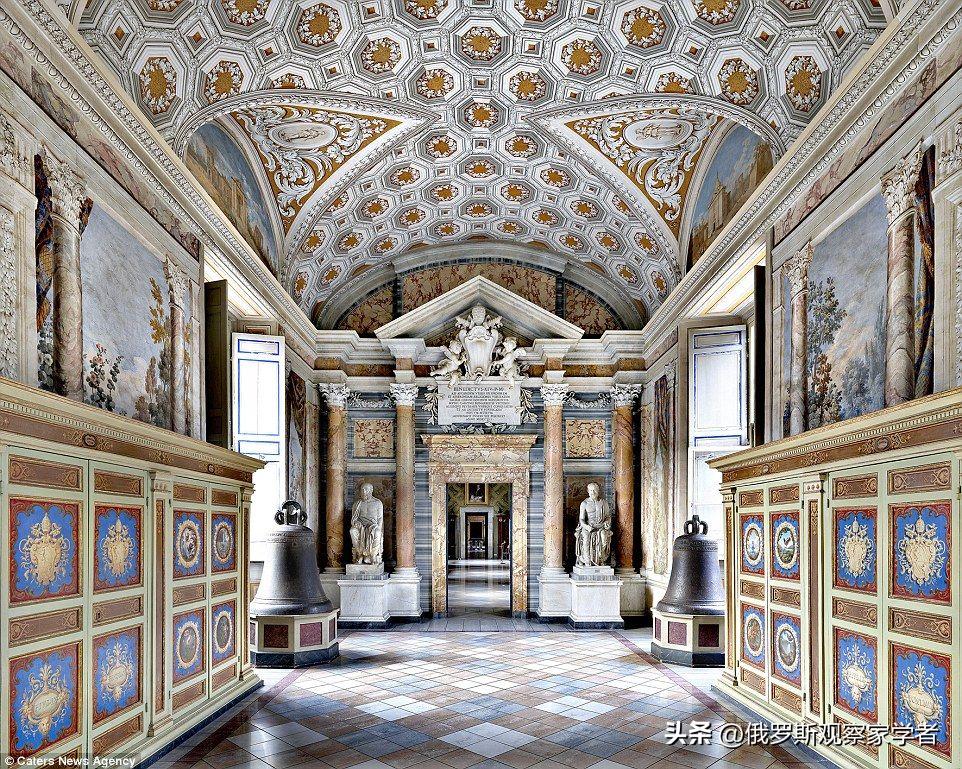
No money, yet completely economically independent!
It's no wonder this "job" is desired: zero salary, yet living like a billionaire.
5. A Prison With Only Two Cells
In the "holy nation," everything seems to be holy, pure, and sinless? But the truth is not so! There is also a prison here.
This prison is called "Carcere," located within the building of the signing hall, and has only six cells.
But it holds at most two people, and often is empty.
Why?
Because most crimes are punished by deportation.
Stealing? Fired — citizenship is revoked, and you disappear, as if you had never existed.
But there have been real cases of imprisonment.
In 2014, a staff member was imprisoned for illegal parking within the Vatican.
Another was jailed for hacking into the papal secretariat's computer.
Although this prison exists, it is more of a symbol.
It seems like the country is saying: "We also have the power to punish, but we don't use it often."
6. It Has Its Own Bank — One of the World's Most Mysterious Banks
A bank is for managing money? In the Vatican, a bank means scandals, secrets, and millions of dollars of hidden deals.
This bank is called IOR (Institute for Religious Works), commonly known as the "Vatican Bank."
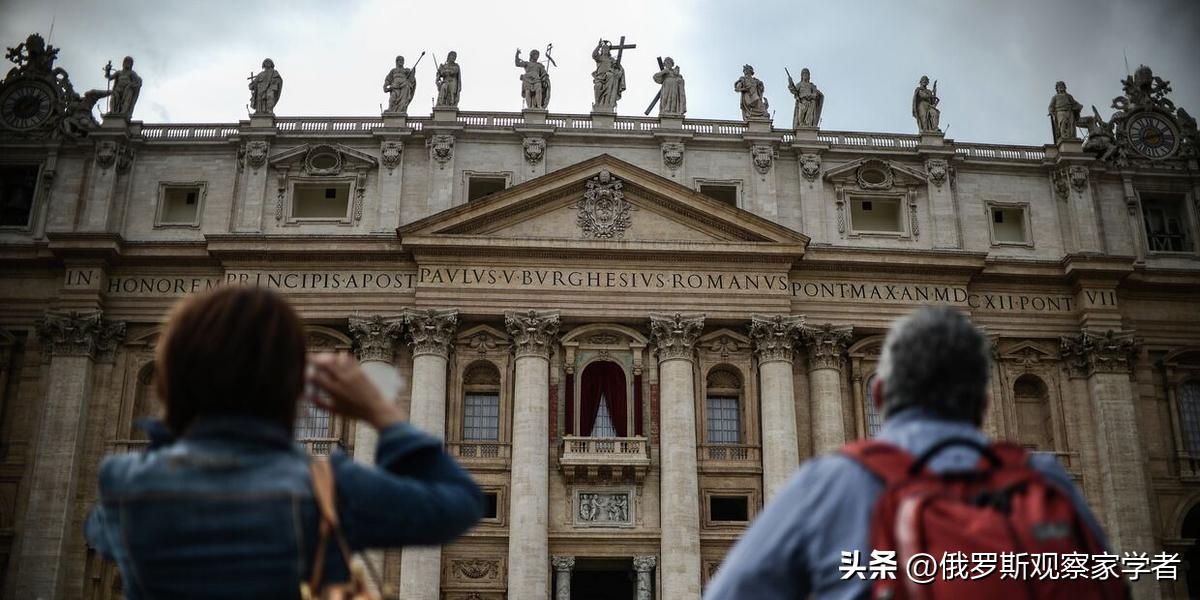
It does not accept deposits from ordinary people, only serving cardinals, bishops, and church institutions.
But in the 1970s, 80s, and 90s, it was involved in a series of scandals:
- Money laundering for the mafia
- Collaboration with dictators
- Linked to the collapse of the Ambrosiano Bank
- Billions of dollars went missing
Yes, the Pope also dismissed the bank's director, but the bank itself still exists.
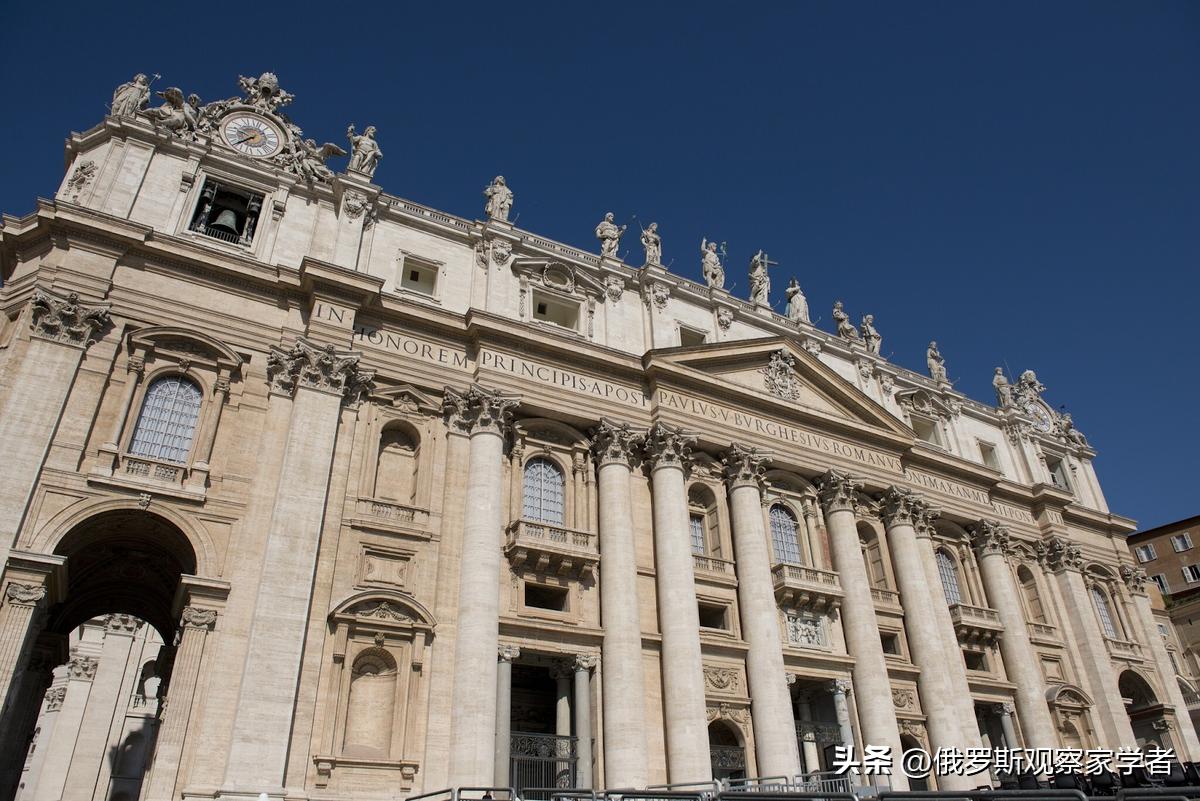
Now, it claims to have "cleaned up." But to access it is like opening a safe with a nuclear code.
Money isn't a sin here, but it must be "sacred."
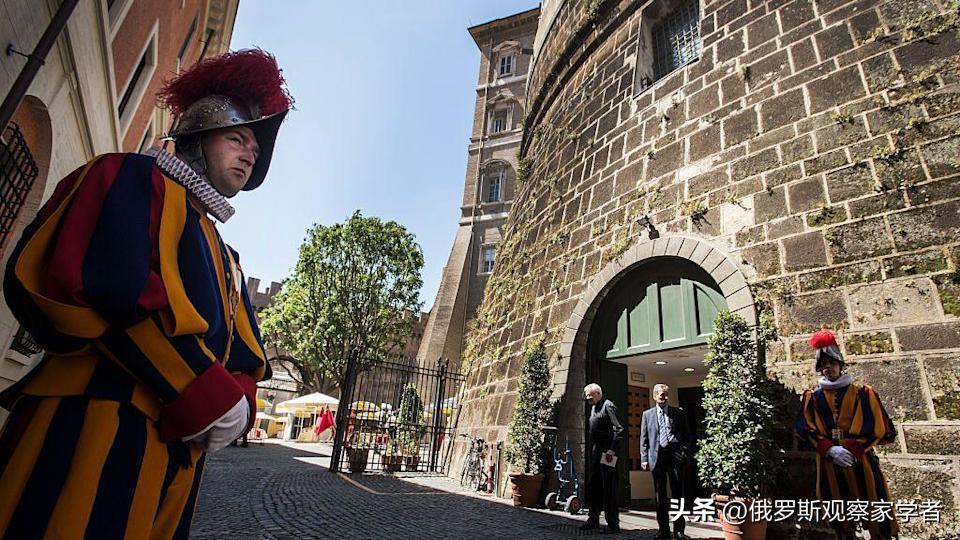
7. No Police, But a Swiss Guard
Do you think those fancy uniformed Swiss people are just "goodies" for tourists? No, they are an elite force.
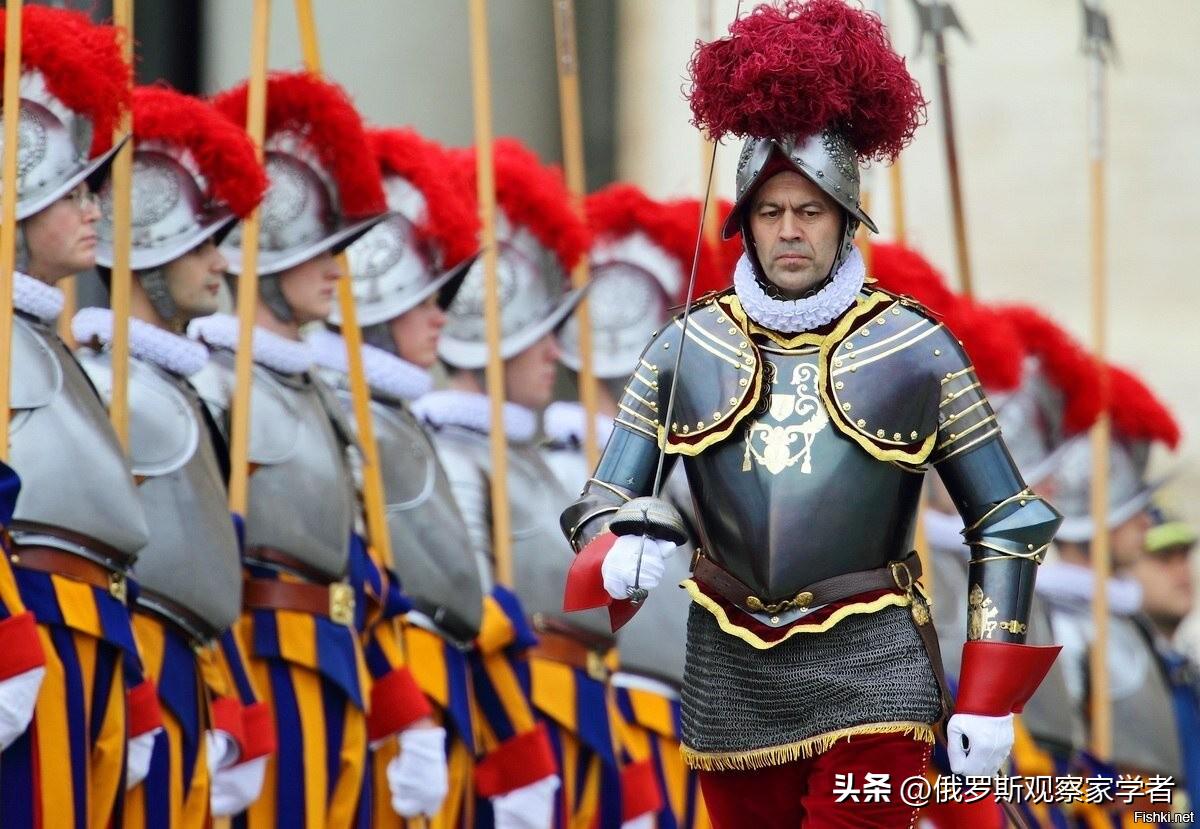
The Swiss Guard is the Vatican's regular military force.
There are 80 of them, all Catholic, all from Switzerland, and all undergo strict screening.
They wear Renaissance armor — but also carry guns, walkie-talkies, and bulletproof vests.
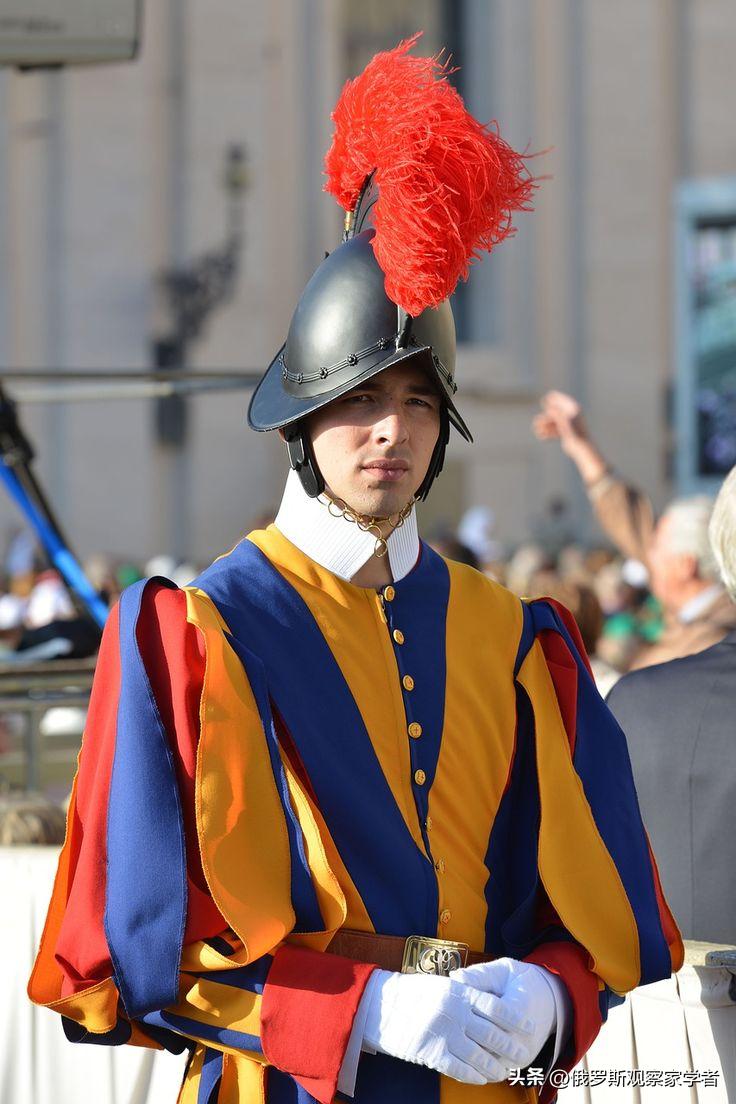
And they really protect the Pope.
In 1981, a guard helped prevent an assassination attempt on Pope John Paul II.
Now, they are not just a symbol. They are a "dressed-up special forces unit."
8. No Death, Just "Rest"
When the Pope dies, people say, "He has rested (dormitio)."
Cardinals who die are said to be "asleep in the Lord’s arms."
Why? Because in the Vatican's context, there is no death, only transition.
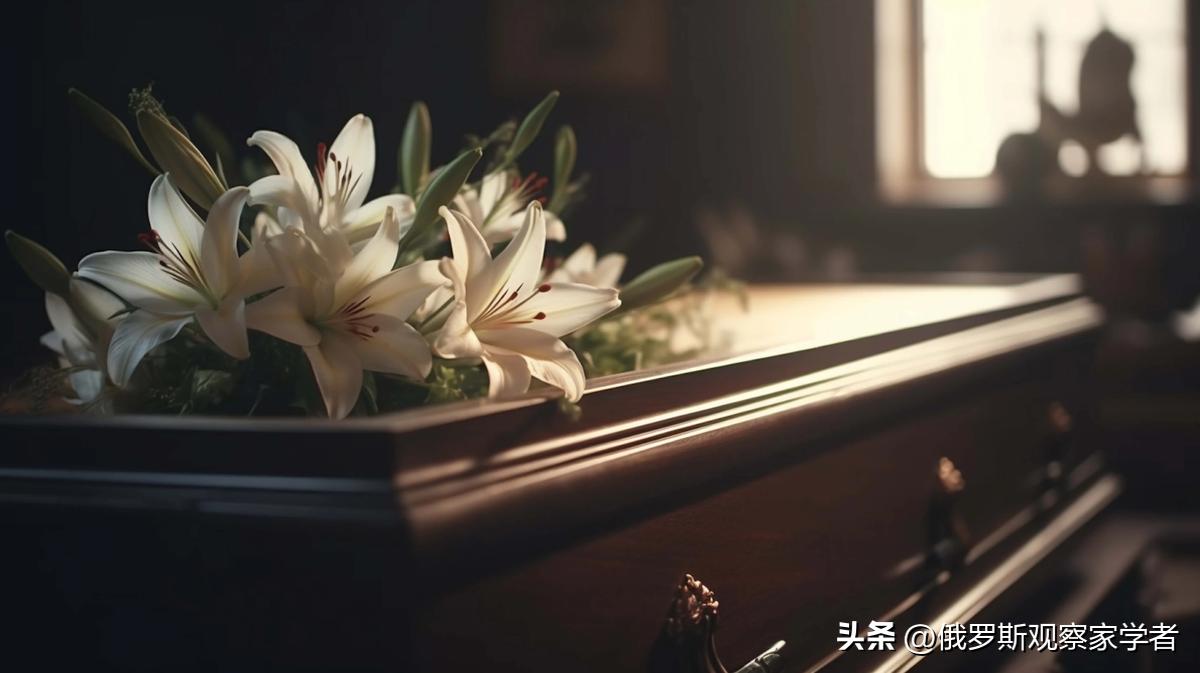
This is not just a play on words, but a philosophy.
In this country, the end of life is not an end, but a continuation.
Is that ironic? Perhaps.
But for them, it is reality — or rather, they believe it is reality.
What do you think about this philosophy of death?
9. It Has Its Own Language — A "Dead Language"
Do you think Vatican residents speak Italian?
Partly, but not entirely. The official language of the Vatican is Latin.
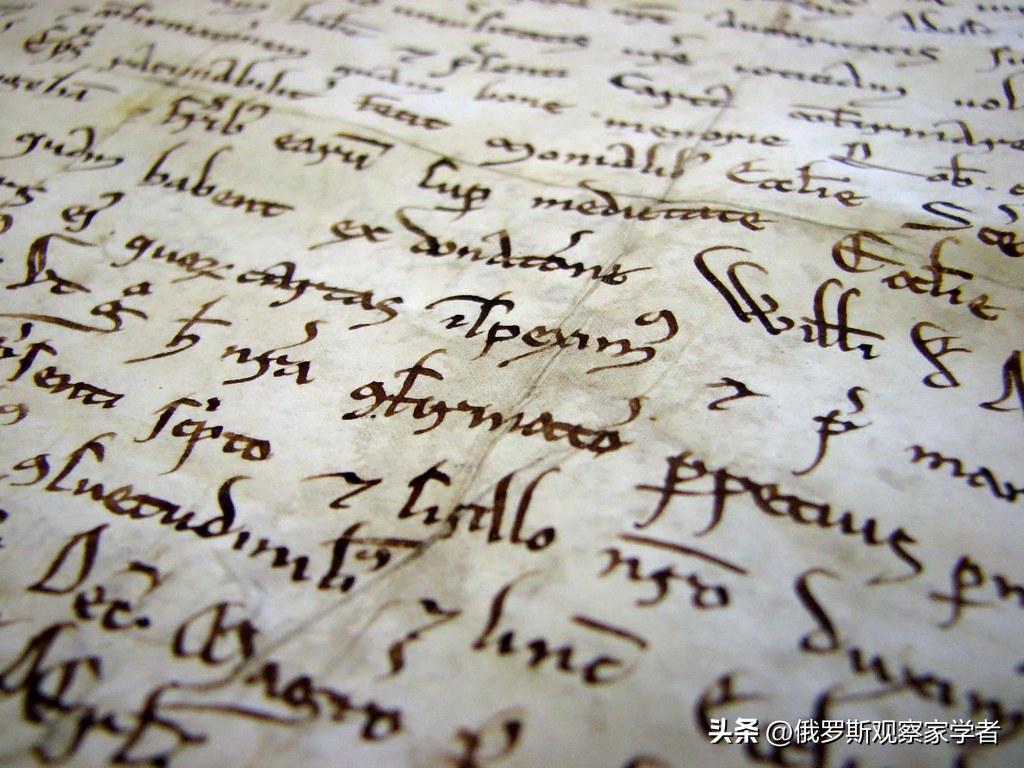
All laws, documents, and decrees are written in Latin.
Even modern resolutions are recorded in a language that hasn't been used daily for 1500 years.
Why? Because Latin is "timeless."
It doesn't change, it doesn't distort, it isn't modernized.
This is like using Elvish to govern a country.
But for the Vatican, this is normal — because they live in "eternity," not in 2025.
10. Internet and a Cyber Force
Do you think the Pope only knows prayer and doesn't use Telegram? Then you're wrong.
The Vatican has a cybersecurity bureau.
They are responsible for protecting servers, databases, the Pope's email, and the church's website.
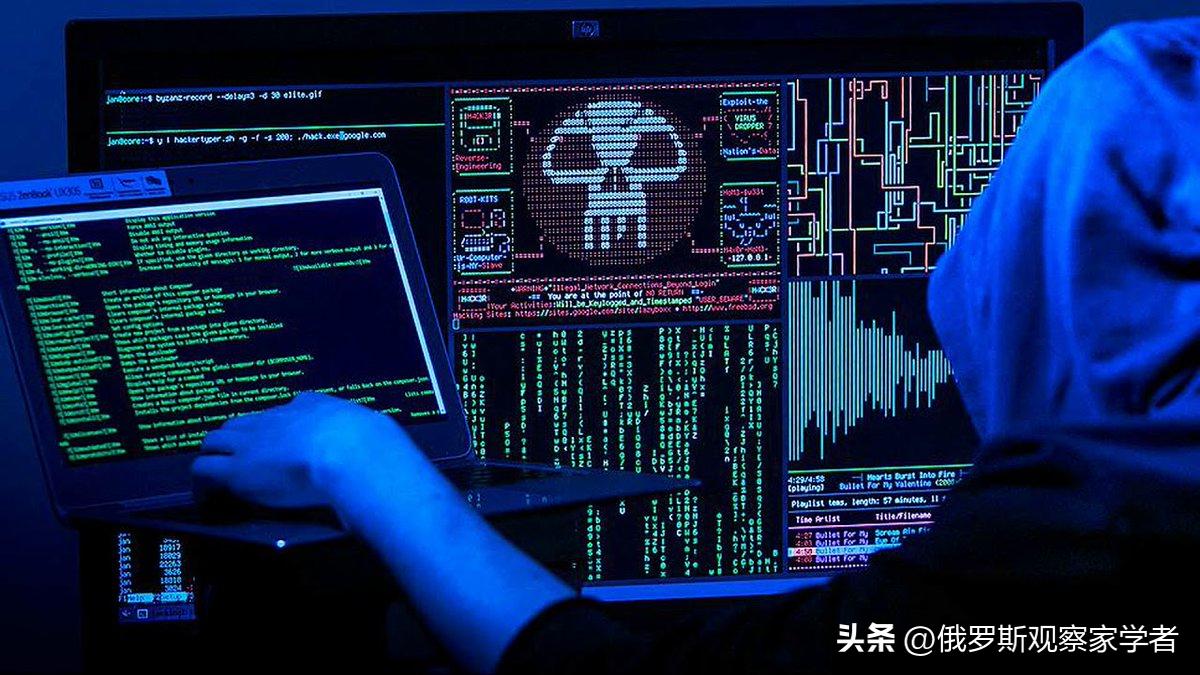
Their tasks go beyond defending against hacker attacks.
They also need to prevent "spiritual attacks" online: misinformation, rumors, anti-church propaganda.
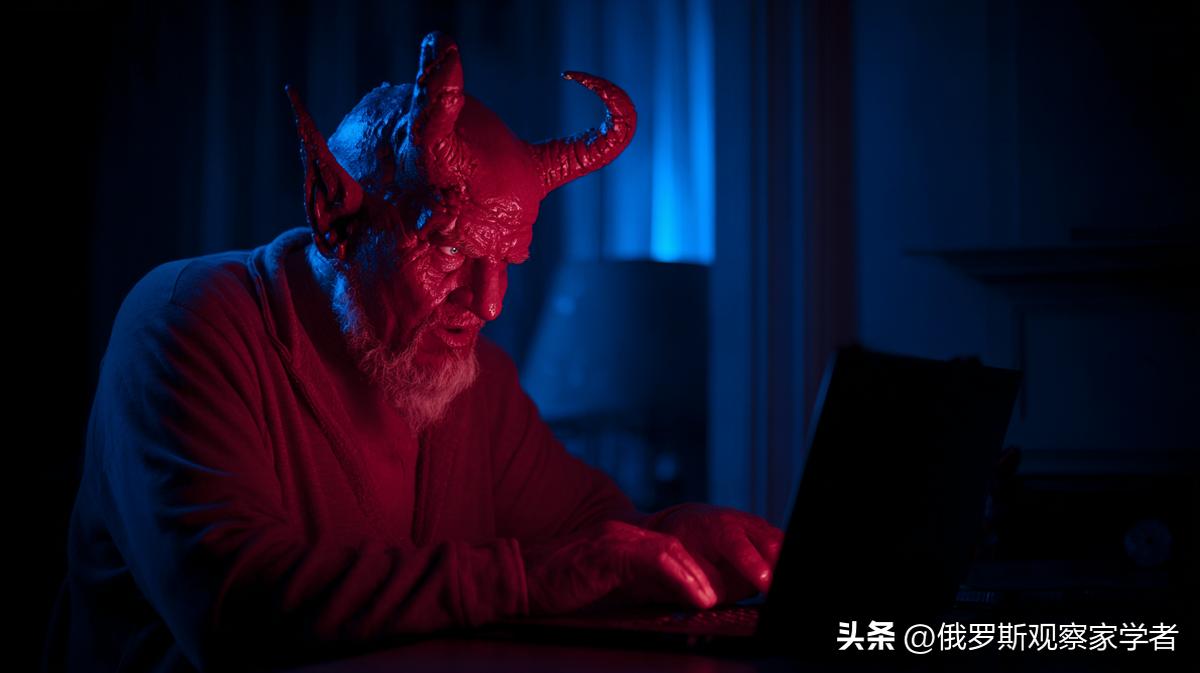
They believe that Satan might attack through Wi-Fi.
Not literally a network intrusion, but through bad ideas渗透.
The Vatican is not behind the times, but is using new methods to fight evil.
11. Entering the Vatican Doesn't Mean Understanding It
Do you think entering the Vatican is difficult? No, easier than entering a museum.
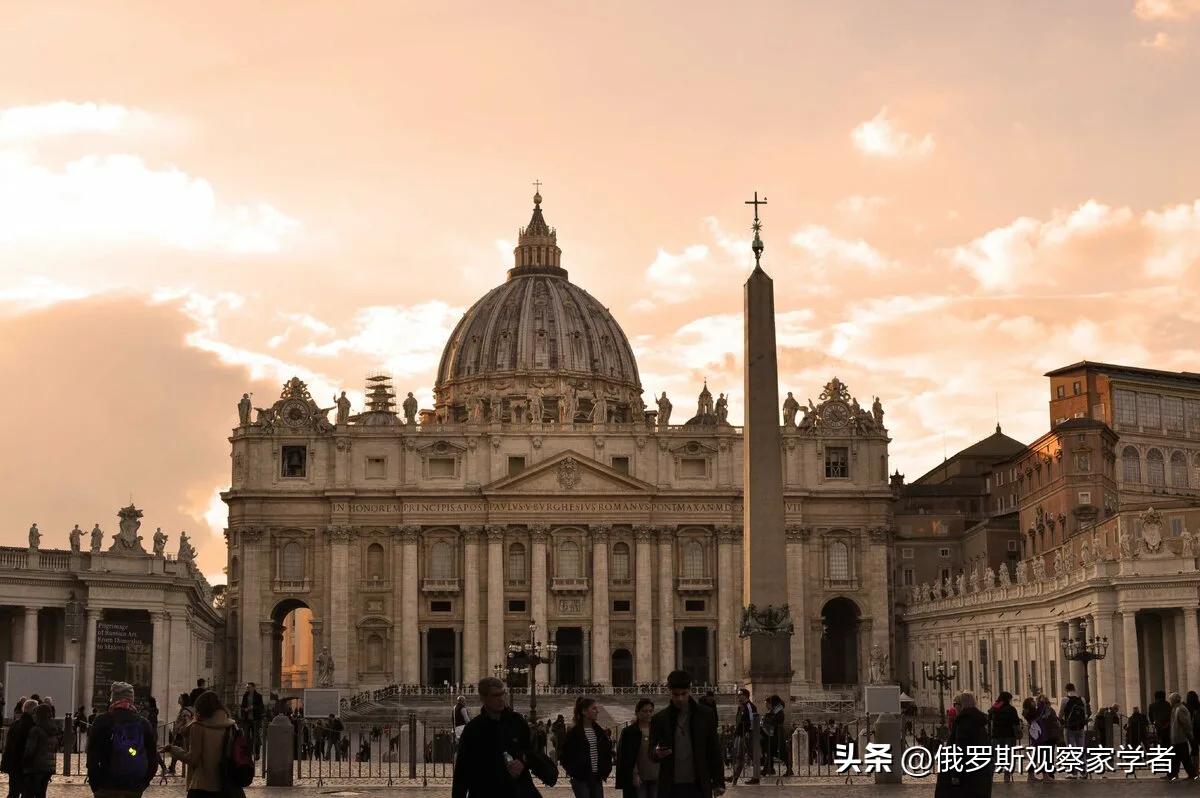
Just go to Rome, walk to the Sistine Chapel, pay 20 euros for admission, cross the threshold — and you are "in the Vatican."
But the key is:
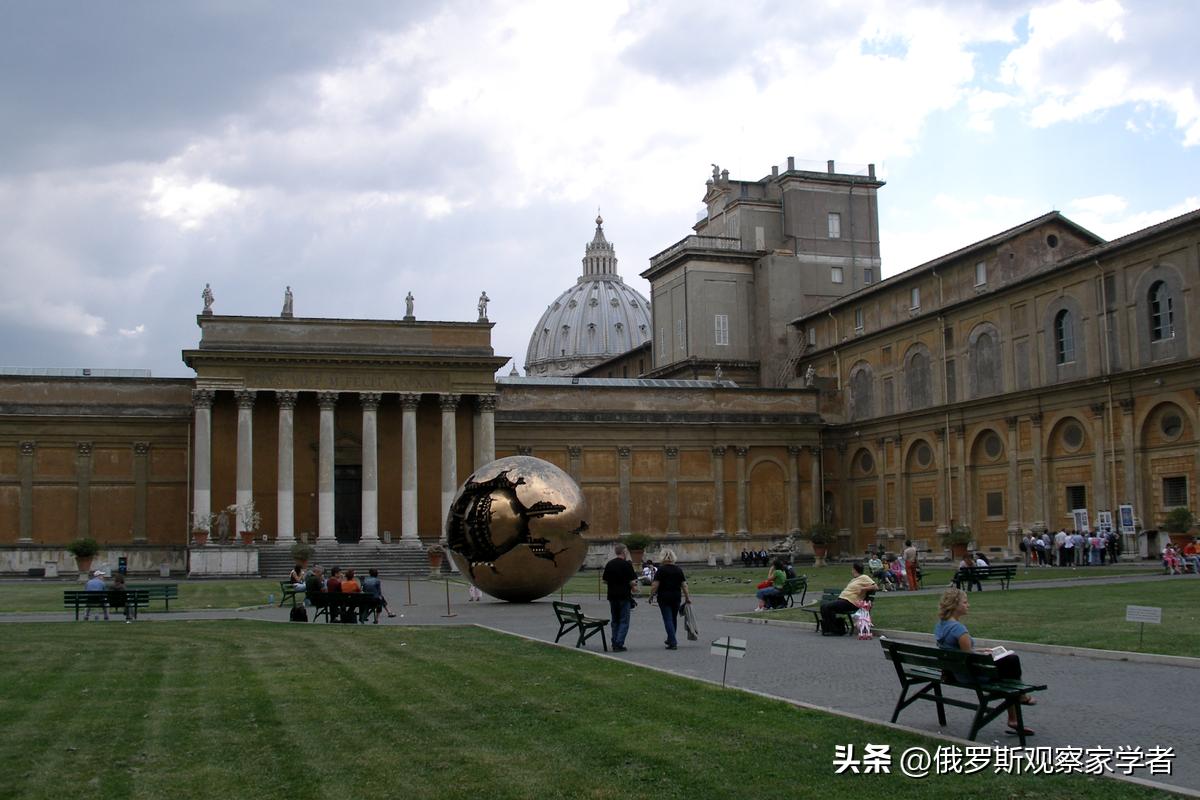
You've just stepped onto the territory of this country, but you haven't truly entered the Vatican.
You are in a museum, crowds, tourists with headphones listening to guides, and bathroom signs.
The real Vatican is behind that closed door.
Where cardinals meet, where the Pope prays in a small chapel, where the fate of the Church is decided — these places are inaccessible, even if you pay 2000 euros.
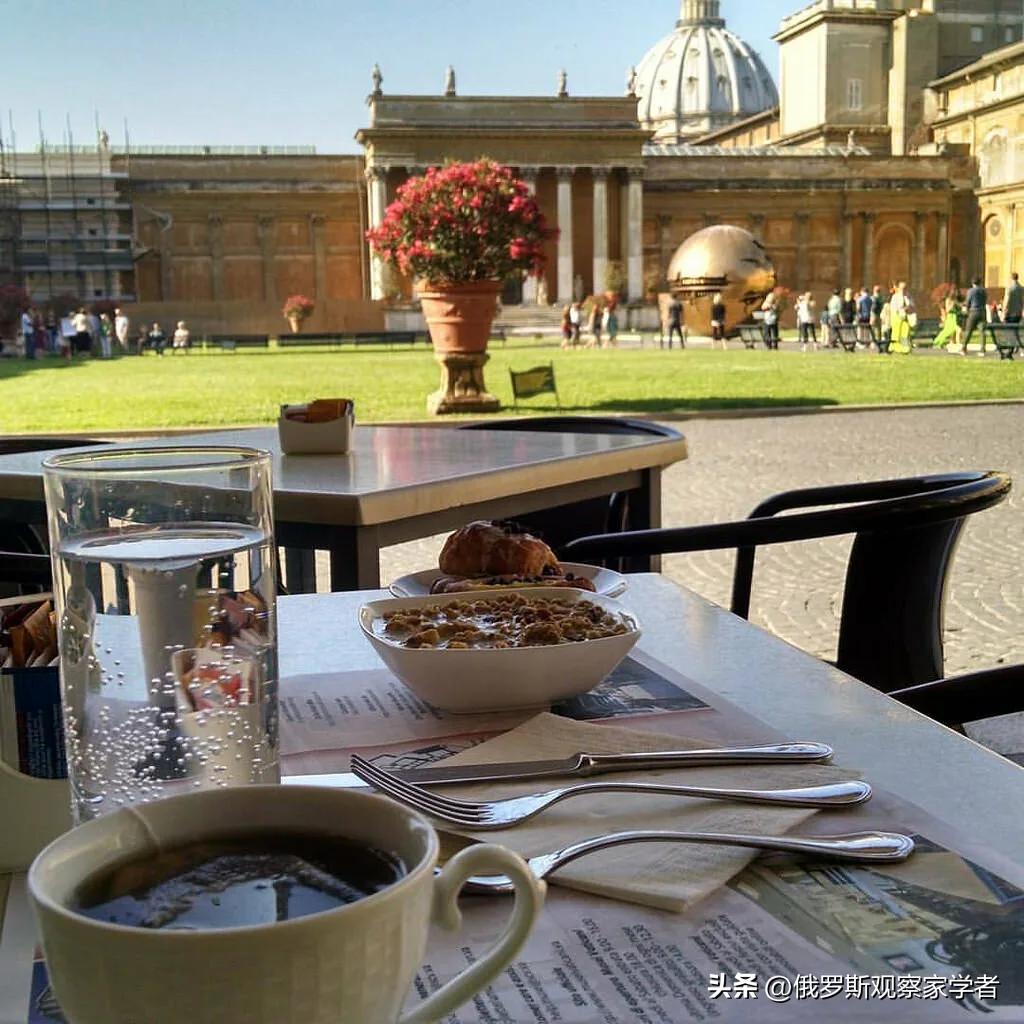
So, you have indeed "visited the Vatican," but only saw the surface. Like a tourist saying "I visited the Kremlin," when they actually just ate kebabs on Red Square.
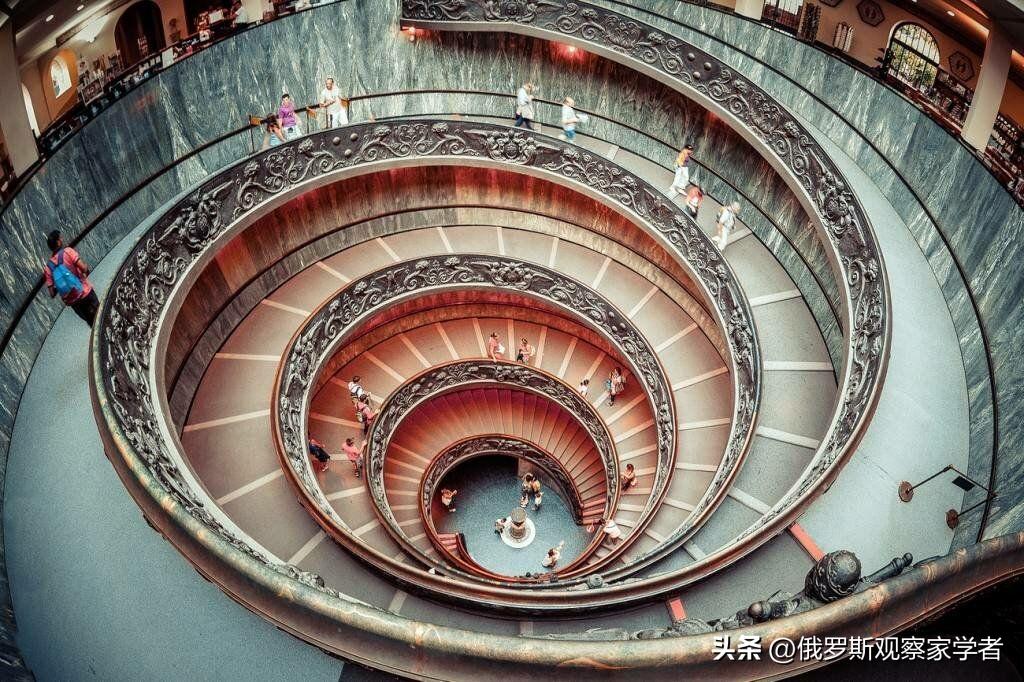
12. The Vatican Museums — the Longest "Corridor" in the World
Do you think a museum is a room full of exhibits where you can leisurely stroll? In the Vatican, visiting a museum is like running a marathon.
You have to walk through 7 kilometers of galleries.
Passing statues, halls, stairs, ancient sculptures, tapestries, 16th-century geographical maps — you see everything, but remember nothing.
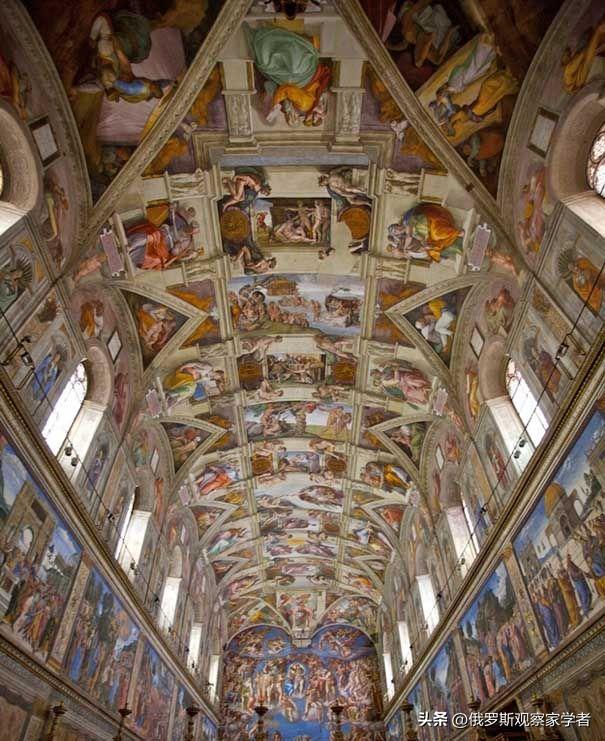
Because all of this is just a prelude. What is the final destination?
The Sistine Chapel. Standing in the crowd for 10 minutes, taking a few photos with your phone, then leaving.
Is that ironic? Indeed.
You paid to pass through countless art treasures, only to see a picture you already knew from textbooks.
At the same time, you are also in history.
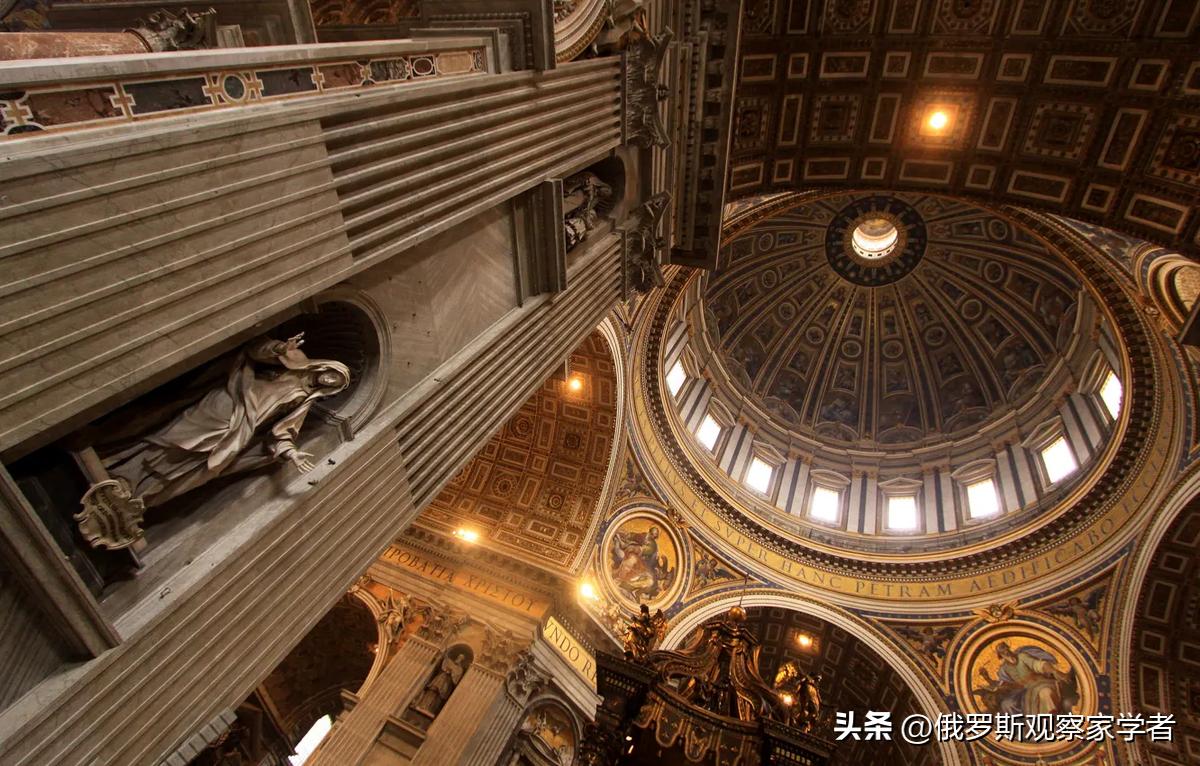
In some corner, a Roman Pope walked; in some room, the fate of the Church was decided — and you, just passed by quickly.
Would you want to visit such a museum?
13. The Coolest Souvenir — A Letter You Can't Take Away
When thinking of travel souvenirs, you would think of fridge magnets, small statues — the "standard" items? No, the coolest souvenir from the Vatican is a letter sent from the world's smallest country.
The Vatican has an official post office.
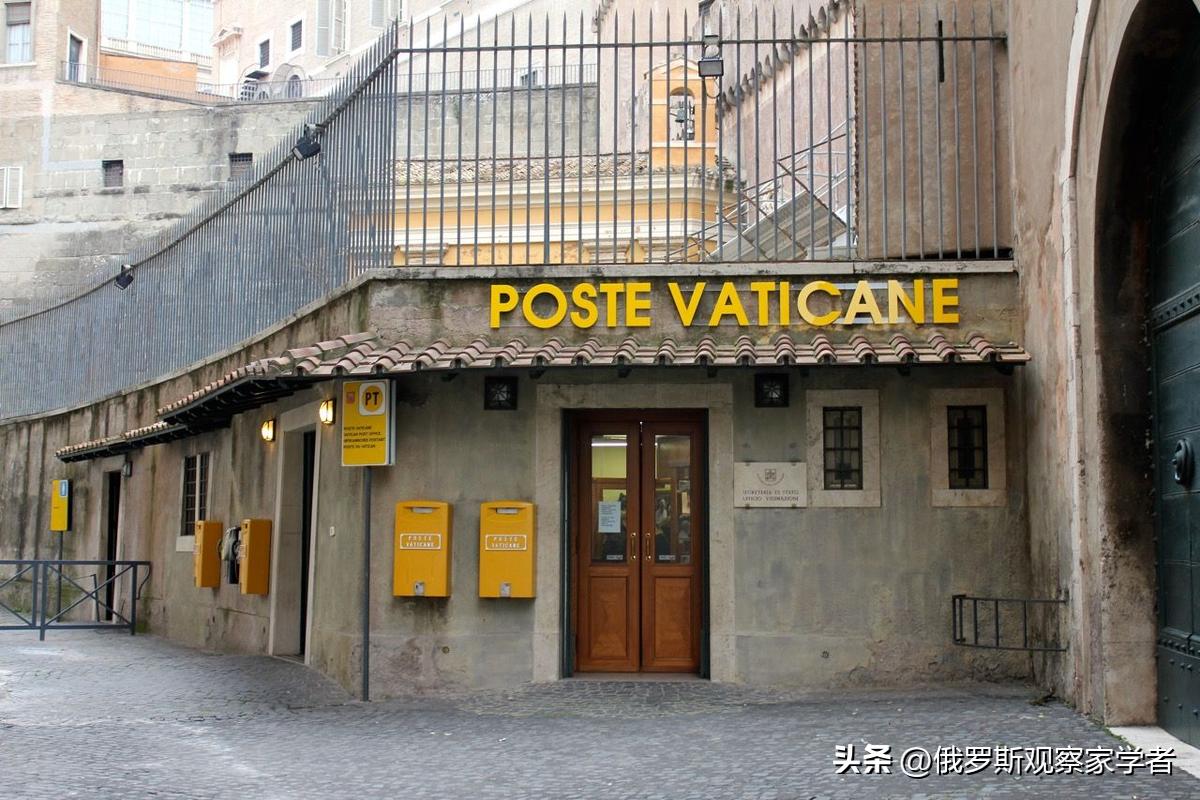
Here, you can buy stamps with the Pope's image, envelopes with the national emblem, postcards with frescoes — and send them anywhere in the world.
And this letter will be stamped with the official Vatican postmark and seal.
Why is it cool?
Because the Vatican Post Office is internationally recognized, and such letters are collectibles.
Many coin and stamp collectors are willing to pay hundreds of euros for an envelope from the 1960s with a "Vatican City" postmark.
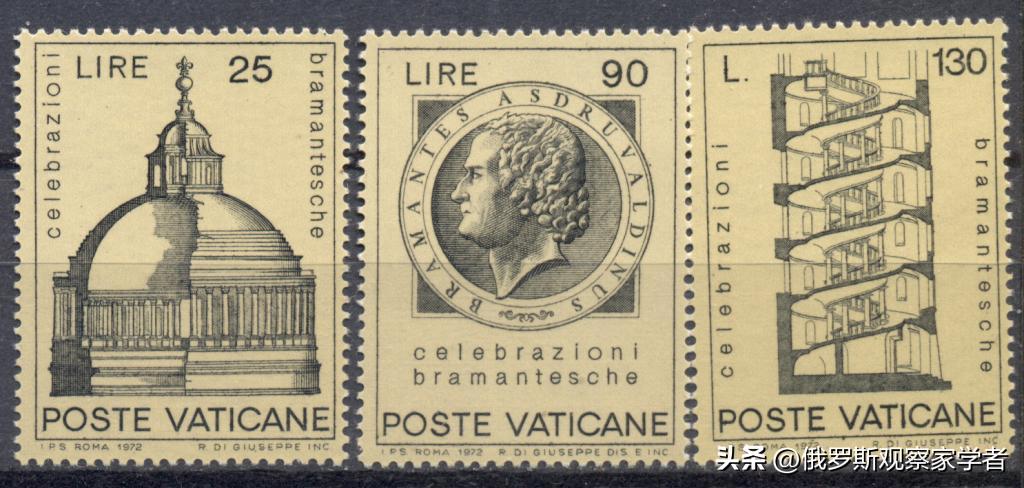
So, if you want to leave a special memory — send yourself a letter from the Vatican.
After a month, when you receive it, you'll feel as proud as holding a diploma:
"I went there, and I sent a letter from there."
Does that count as the coolest souvenir?
14. Meeting the Pope
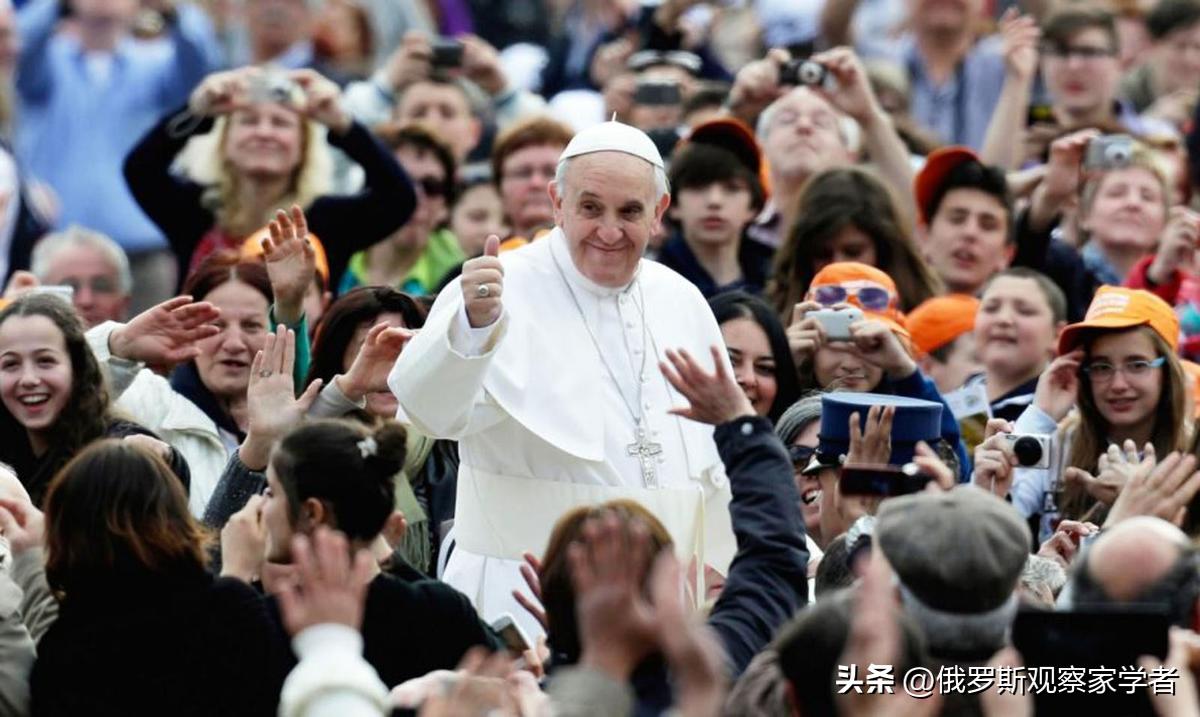
Do you think you can only see the Pope on TV or in a crowd at a square? No, you have the opportunity to attend the Pope's audience.
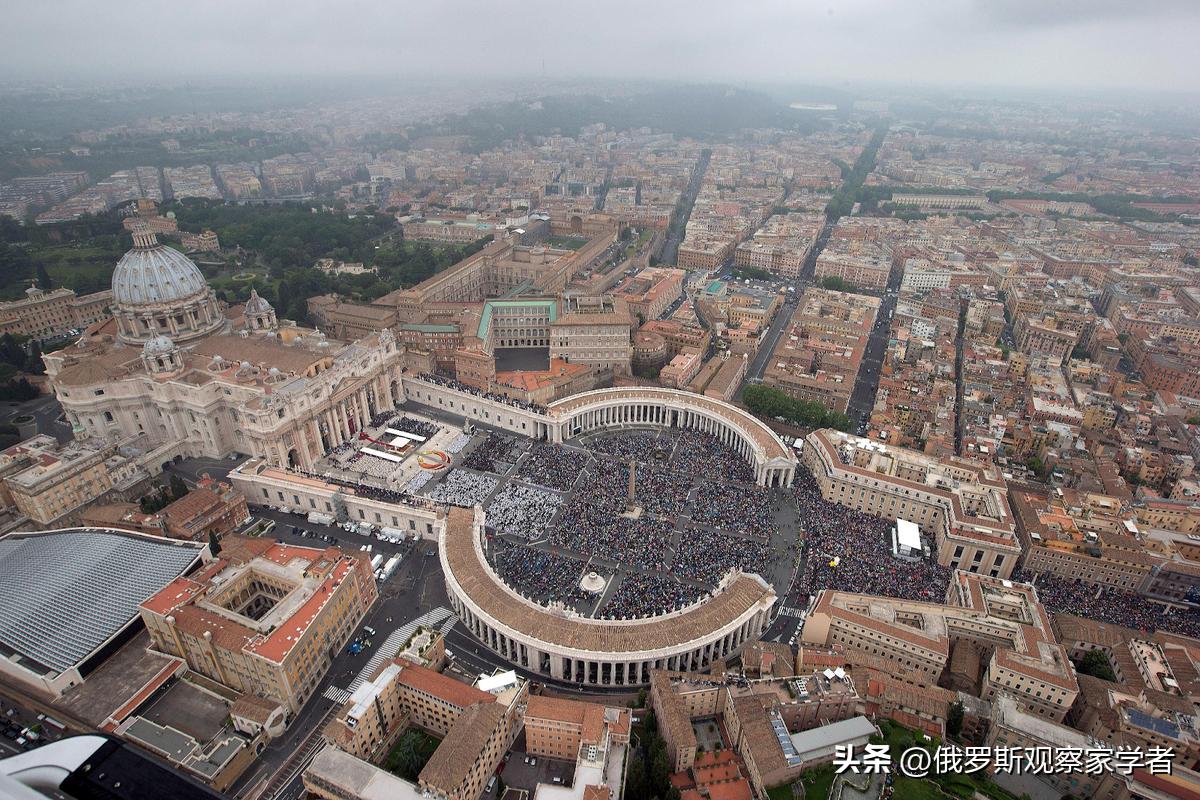
Every Tuesday and Wednesday, the Pope holds public audiences in St. Peter's Square.
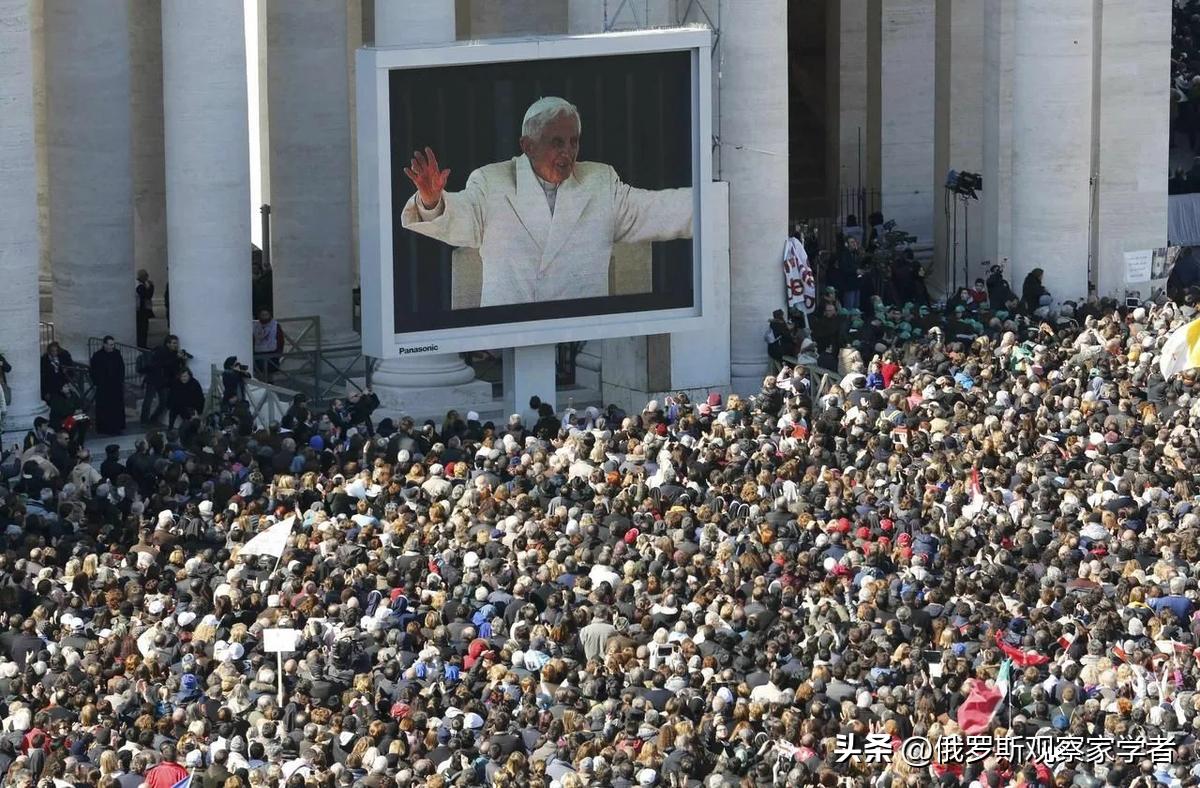
Thousands of people gather in the square, waving flags, shouting "Long live the Pope!" (Viva il Papa!), taking photos, receiving blessings.
But there's a detail:
Wednesday — open to everyone.
Tuesday — only for organized groups.
If you don't just want to stand in the crowd, but sit in the front row, wave to the Pope, and even get his nod in response — you need to submit an application through the official embassy or church institution.
Can tourists participate? It's possible, but the chance is slim. The best way is to arrive early on Wednesday and dress appropriately (shorts are prohibited!).
But the Pope won't deliberately seek your gaze.
Unless you suddenly shout in Tamil — maybe he'll look at you for a moment.
15. A Library Where You Can't Read
The Vatican Apostolic Library is one of the oldest and richest libraries in the world.
It houses 80,000 manuscripts, 1.6 million books, including rare volumes dating back 1500 years.
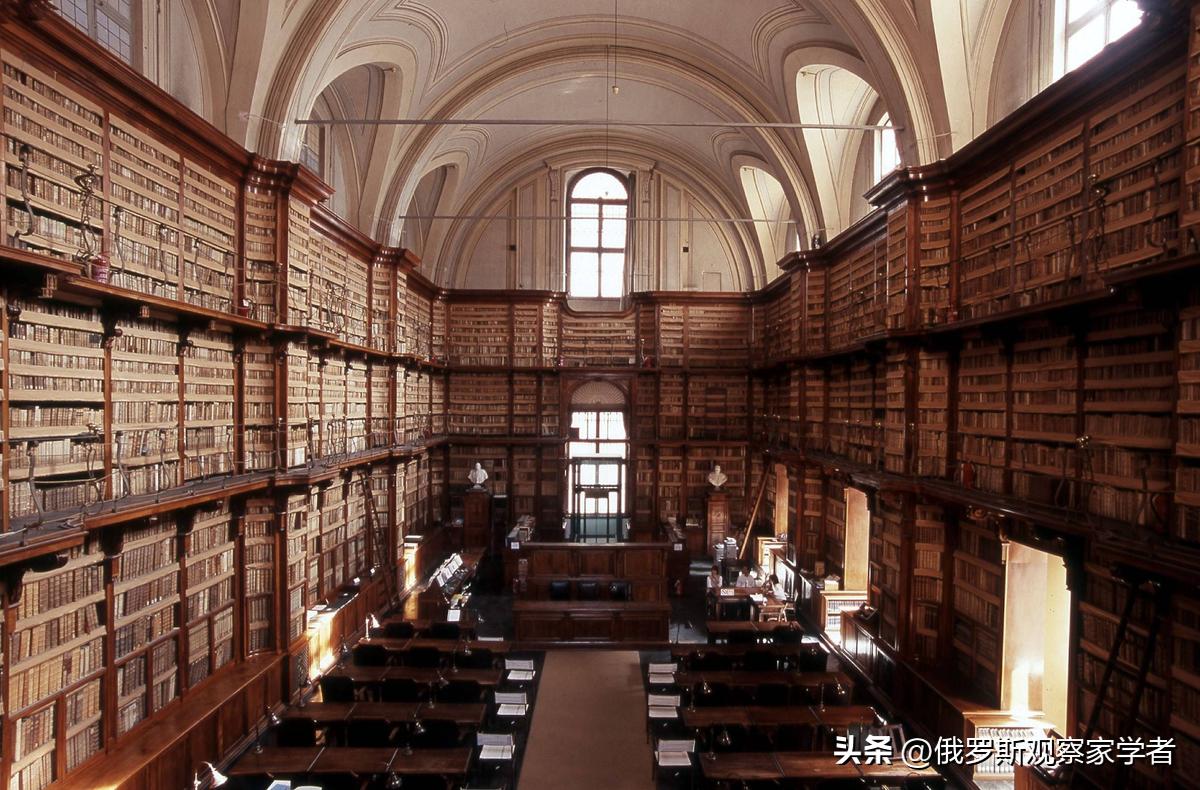
But there is a "forbidden area" — the Vatican Secret Archives (Archivum Secretum Vaticanum).
There are documents that no one has ever seen, or seen but must remain silent about.
They include:
- Galileo's letters — in which he debated the heliocentric theory with the Church
- Giordano Bruno's trial records — he was burned for heresy
- Correspondence between the Pope and dictators (including Mussolini and Perón)
- Materials from the Inquisition trials
- Files supposedly related to UFO encounters (of course, this is just a joke... perhaps not?)
Want to enter here?
Strict restrictions. You need: a recommendation letter, a doctorate, moral certification, and wait three months.
Tourists? No chance at all.
Even if you are lucky enough to enter, you are not allowed to copy, take photos, and must remain silent.
But this is not paranoia, but a policy.
Because some truths are too heavy to be made public.
Conclusion: The Vatican Is Not a Country, But an Idea Wrapped in Stone
A country without people, an army without war, a bank without regular customers, a government without elections. It is a system built on faith, yet operating according to the rules of power.
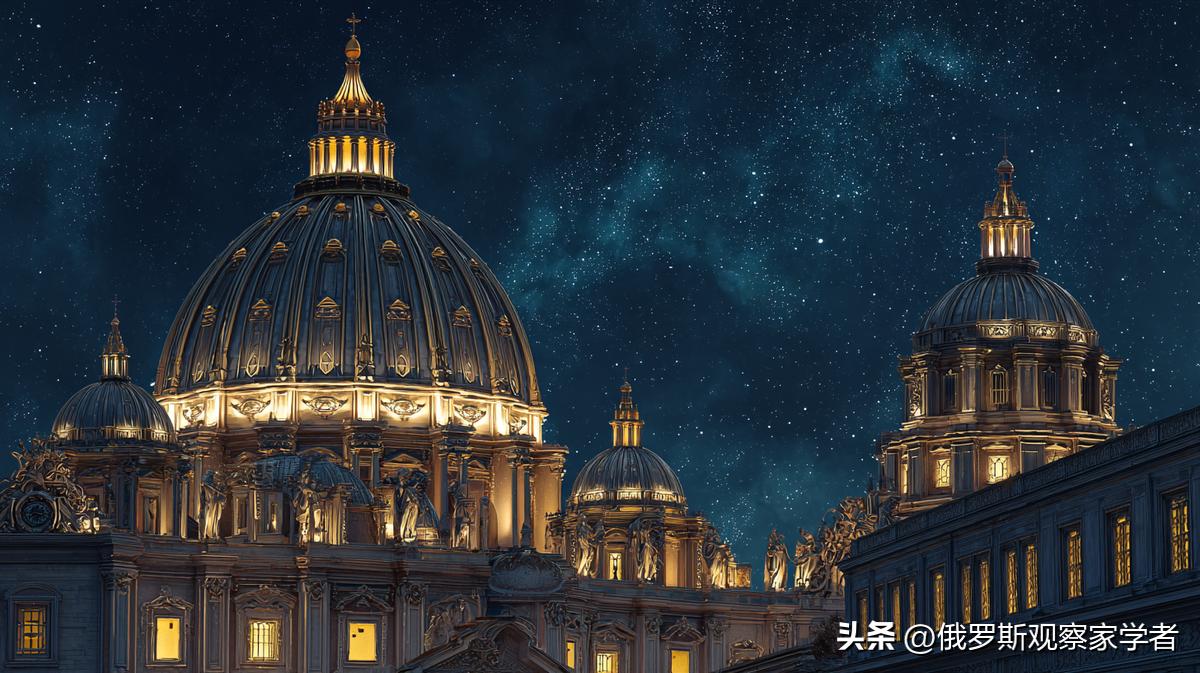
The Vatican doesn't need your worship; it exists — because it has the ability to exist.
At the moment you are reading this article, a door in the Sistine Chapel is closing, candles are being lit, and a vote is about to begin deciding "who will represent God on earth."
This is not a movie, it is reality.
Original: toutiao.com/article/7582061488240738852/
Disclaimer: This article represents the views of the author.