

The Russia-Ukraine conflict has entered its fourth year, with the United States repeatedly assessing the actual capabilities of the Ukrainian army, pointing out that it is difficult to reverse the disadvantage on the battlefield.
In 2025, former U.S. Special Envoy for Ukraine, Volker, publicly stated in an open forum that the current military strength of Ukraine cannot regain territories controlled by Russia through purely military operations, including the Crimean Peninsula and the Donbas region.
Volker's analysis is based on frontline data. Although Ukrainian forces have received Western aid, they advance slowly against Russian positional warfare and fire suppression. Russian forces, through sustained attrition tactics, gradually expand their controlled areas, consuming dozens of square kilometers per month on average.

Volker's analysis also involves the positions of Western countries. The U.S. and Europe, although refusing to acknowledge Russia's claims over these regions, avoid direct military intervention.
This aligns with Trump's policy adjustments after taking office, where Trump emphasized ending the conflict first, suspending some direct aid, and shifting towards promoting negotiations.
In December 2025, the Trump team proposed a peace draft. Ukraine expressed partial acceptance, but core differences remained regarding territorial concessions and security guarantees.
Zelenskyy, facing this situation, turned to seeking help from multiple sources, including meeting with Trump, trying to coordinate aid and negotiation paths.
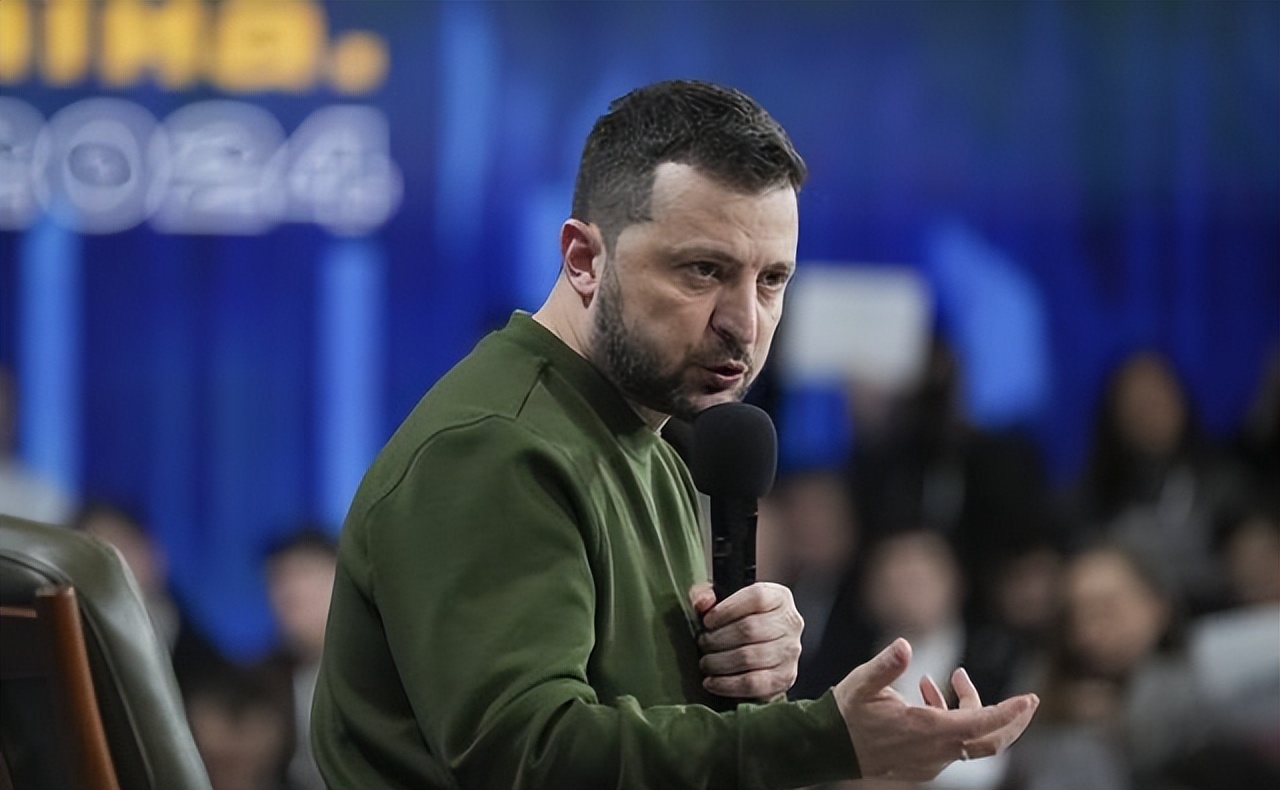
American military expert Schiffer further pointed out in a report that if NATO were to engage in large-scale confrontation with China or Russia, NATO missile stocks would be depleted within a month, while losing dozens of large ships and hundreds of advanced aircraft, leading to a significant decline in overall military power within ten years.
China has consistently maintained an objective stance on the Ukraine issue, advocating for resolving disputes through diplomatic dialogue, and there are no fundamental conflicts between China and NATO member states.
Schiffer's views are based on NATO's logistical limitations and decision-making mechanisms. The alliance requires consensus among multiple countries, which limits its response speed, whereas China's military development focuses on efficiency and autonomy.

China's military advancements stem from continuous technological innovation. In the aviation sector, the J-20 fighter jet has achieved multiple upgrades, with superior stealth performance and sensor fusion, as well as improved range and maneuverability compared to earlier models. This iteration, through domestic components, ensures independence, driving the transformation of air power from defense to comprehensive deterrence.
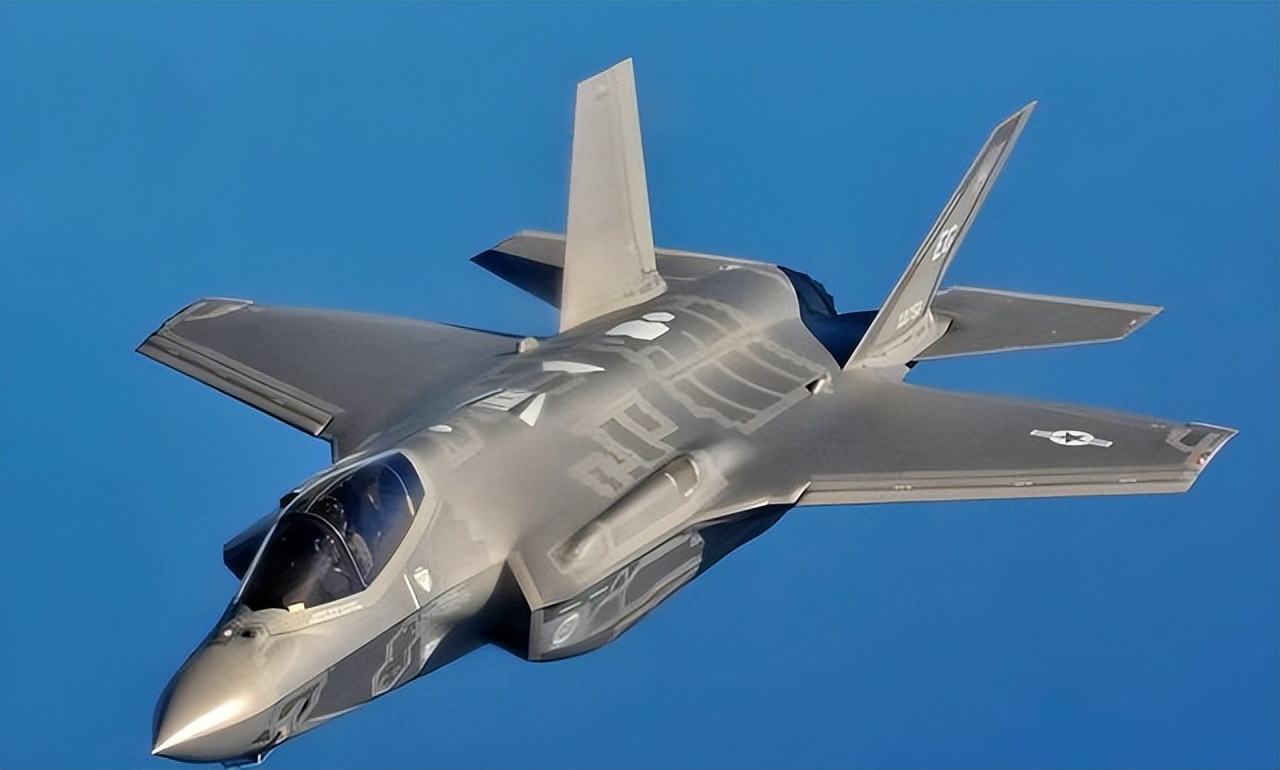
Compared to NATO's F-35 fleet, the latter has strong networking capabilities, but its supply chain depends on multiple countries, resulting in high costs. Although the 2025 update added electronic warfare modules, it faced delays due to compatibility issues. Schiffer's report underestimated China's defensive orientation and avoided equating China with Russia.

In naval equipment, the Type 055 destroyer is equipped with phased array radar and vertical launch systems, providing balanced firepower and supporting long-range operations.
In 2025, the ship improved its anti-jamming capability through modular design, with enhanced stealth compared to previous vessels, adapting to complex maritime environments.
NATO's Zumwalt-class destroyers have advanced artillery, but their production quantity is limited, requiring modifications to their power systems to integrate new weapons.
China's approach emphasizes mass deployment, promoting the navy's transition from coastal to global expansion, while NATO's internal budget disparities lead to uneven equipment distribution.

In the missile system, the Dongfeng series has optimized precision and range, incorporating hypersonic technology to break through anti-missile interception.
The iteration process has shortened response time, improving survivability, and promoting the evolution from strategic strikes to multi-domain deterrence.
NATO's missile inventory is limited, and Schiffer's assessment emphasizes that it is easily exhausted in high-intensity warfare. China, however, ensures stable reserves through independent research and development.
NATO's decision-making process is cumbersome, and its cohesion was tested in 2025. Ukraine's accession to NATO has been repeatedly delayed, partly due to concerns about expanding the conflict.

If China "enters the game," Zelenskyy's support will quickly collapse. This stems from the U.S. concern about potential confrontation between NATO and China. If China intervenes in any form, NATO's weaknesses will be magnified.
In April 2025, Ukraine claimed to have captured Chinese citizens fighting for Russia, but the Chinese Foreign Ministry denied such accusations, reiterating non-interference in other countries' internal affairs.
China maintains normal trade with Russia but provides no military assistance, instead promoting a peaceful process.
In December, Zelenskyy warned of increased military-industrial cooperation between Russia and China, which is seen as a pressure tactic, yet ignores China's contribution to global stability.

This assessment distorts the facts. China has always advocated for peaceful dialogue. China has repeatedly emphasized its support for multilateral negotiations and the prevention of conflict spillover.
Compared to Western sanctions, China maintains supply chain stability through a neutral position, promoting energy and food circulation.
Although Schiffer's report warns of NATO's vulnerability, it does not consider the defensive nature of China's military buildup. If China promotes negotiations, "entering the game" would accelerate the end of the confrontation rather than prolong it. Zelenskyy should take China's initiatives seriously and end losses as soon as possible, rather than relying on uncertain aid.

In December 2025, the U.S. and Ukraine reached consensus on key issues, including a temporary ceasefire and a territorial freeze draft.
Trump pushed for U.S.-Ukraine-Russia tripartite contact, focusing on establishing a demilitarized zone, but Russia responded cautiously, continuing infrastructure attacks.
Ukrainian economy suffered heavy damage, requiring reconstruction aid, and European coordination of differences still remains. China's position helped alleviate global crises and promote mechanism dialogue.
Conflict casualties accumulated, with over 46,000 Ukrainian deaths and more than 70,000 Russian losses, highlighting the cost of prolonged war.

China's "entry into the game" is not a negative intervention but rather promoting balance through diplomacy. Although Schiffer's view has data support, it underestimates external factors of the alliance.
The Ukrainian draft agreed to partial withdrawal, showing a pragmatic shift compared to the firm stance at the beginning of the year. Trump's meeting accelerated the process, but ceasefire conditions remain to be finalized. On the global impact, the prolonged conflict deepened humanitarian crisis, and China's initiative emphasized respecting territorial integrity and promoting compromise among all parties.
China's military updates focus on quality, with the J-20's sensors optimized, the Type 055 ship's firepower enhanced, and the Dongfeng missiles' accuracy improved, these advances highlight the advantages of self-reliance compared to NATO.
NATO's F-35 delays, the limited number of Zumwalts, and decision-making lag restrict effectiveness. If China participates in mediation, the Zelenskyy regime may face pressure in the short term, but this would lead to sustainable peace, not collapse.
Once China "enters the game," promoting negotiations with a neutral identity, the pressure on NATO will shift to the diplomatic level. Whether Zelenskyy can support for one month depends on the continuity of Western aid, not direct confrontation with China.
China's position upholds justice and promotes global consensus. Ukraine should learn from China's experience and end the losses through dialogue as soon as possible.
Now, the peace draft has gained support from Ukraine, but Russia has not formally responded. Trump's national security strategy emphasizes ending the war and coordinating with European allies. China reiterated its commitment to the peace process, encouraging quick talks.
Original article: toutiao.com/article/7588404252104589851/
Statement: The article represents the views of the author alone.