
A recent comparative article from the American magazine "National Security" has brought the aerial combat between South Korea's KF-21 and China's J-35A into the spotlight. The article immediately sets a clear generation gap, classifying the KF-21 as a fourth-and-a-half-generation aircraft, while the J-35A is a standard fifth-generation stealth fighter. This makes the balance of air combat heavily tilted from the start.
The U.S. media finally told the truth
From the perspective of stealth capabilities, the weaknesses of the KF-21 were directly pointed out by the U.S. media. This South Korean aircraft does not have true internal weapon bays; its weapons can only be carried on semi-buried pylon mounts and external suspension points, making the exposed missile bodies and pylon mounts strong radar reflectors. Its skin seams and door edges also lack the serrated treatment that is standard for stealth fighters. The South Korean government also admitted that the current Block 1 version of the KF-21 has a frontal radar cross-section area of 0.1 to 0.5 square meters, slightly lower than the F/A-18E Super Hornet, but far from being a stealth aircraft.
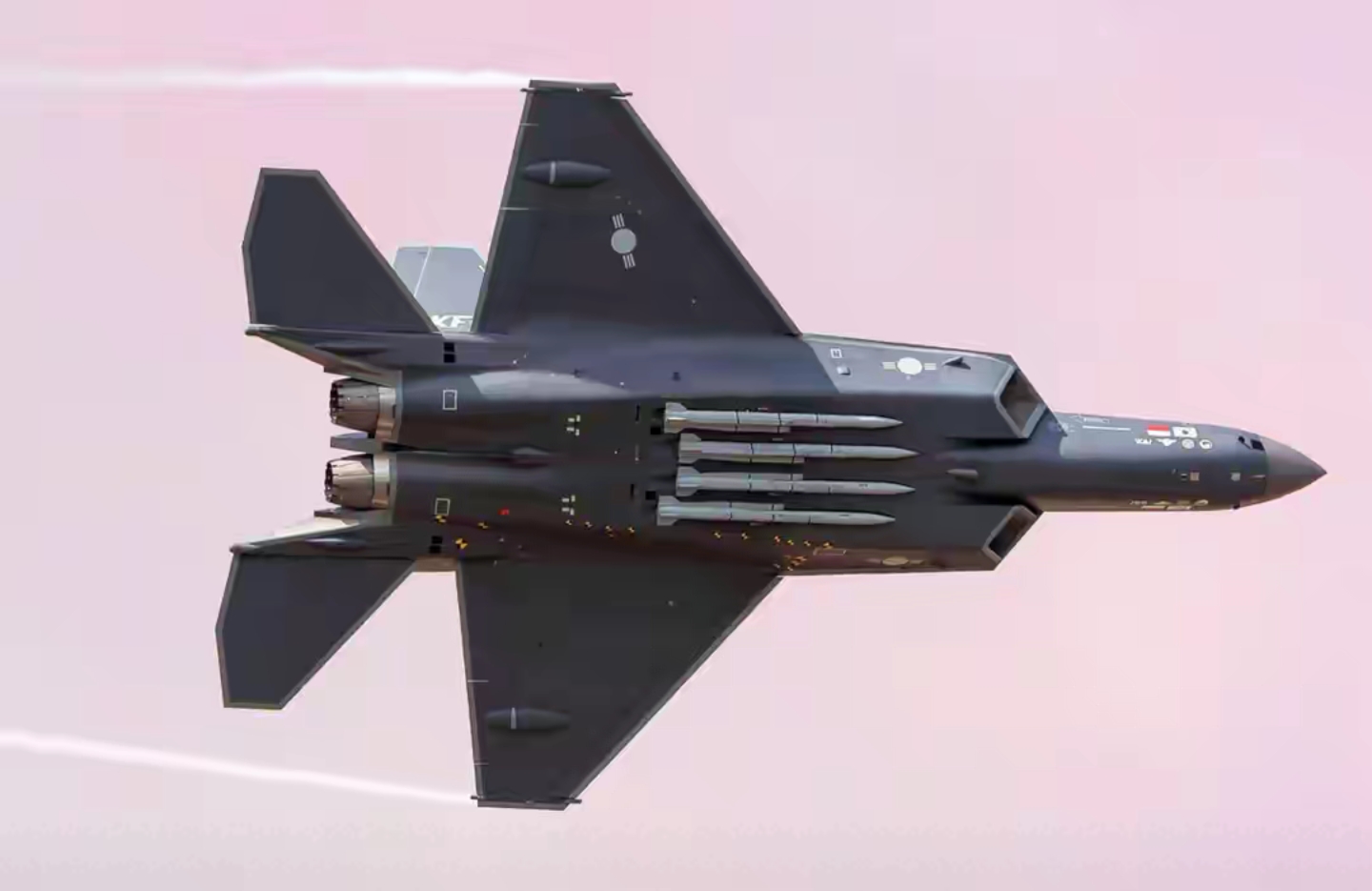
Only four missiles at most in the semi-buried weapon bay
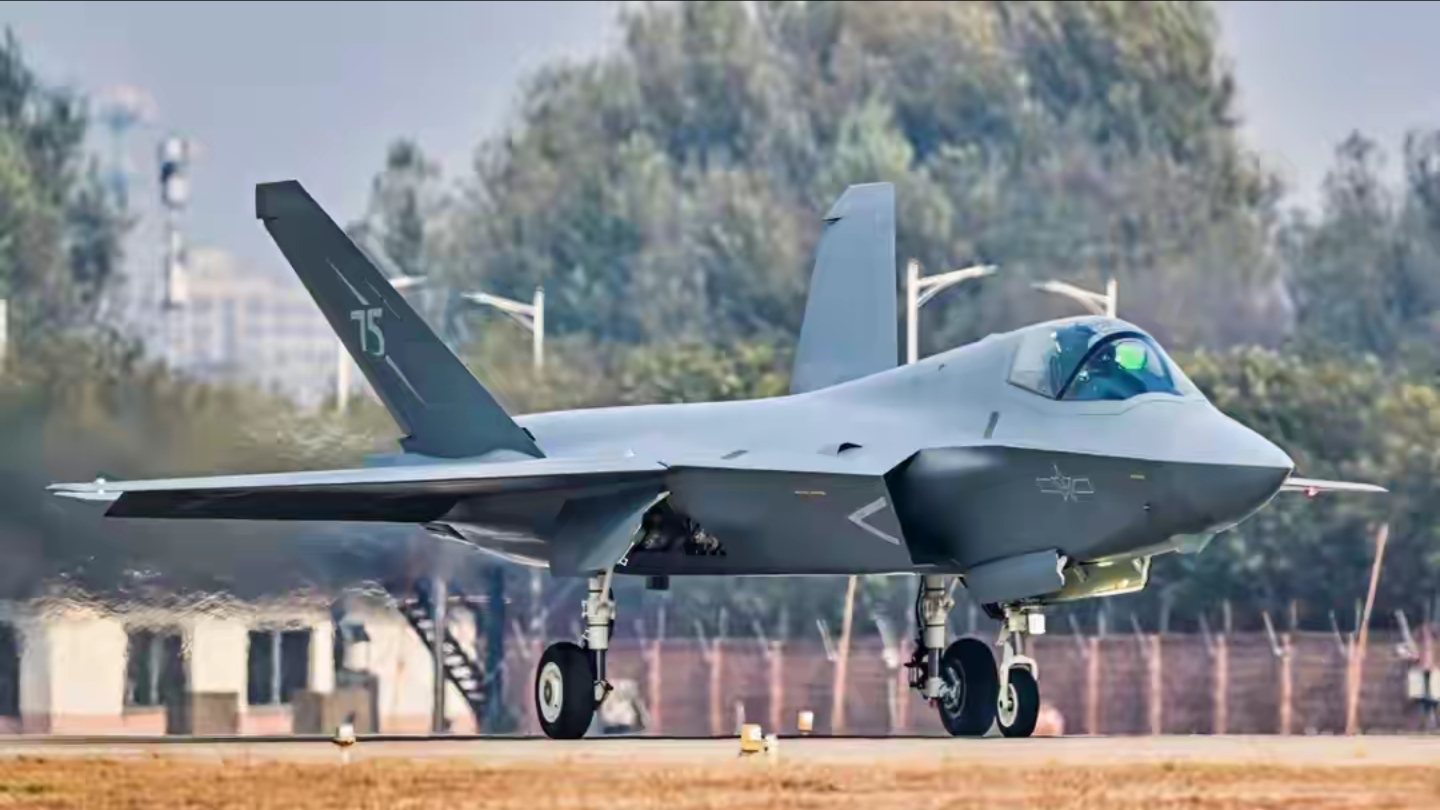
On the other hand, the J-35A's full stealth design precisely targets the weaknesses of the KF-21. The aircraft's body lines are smooth without any unnecessary protrusions. The radar dome and engine exhaust ports are all serrated, and the belly-mounted internal weapon bays can accommodate multiple air-to-air missiles, which compress the radar reflection signals from the very design stage.

The J-35A can already carry six medium-range missiles
The difference in avionics is even more obvious. The J-35A is equipped with a domestically produced gallium nitride active phased array radar, which can detect low-stealth targets like the KF-21 beyond 200 kilometers. In contrast, the KF-21 uses the Israeli EL/M-2052 radar, which was originally designed for fourth-generation aircraft. It can detect high-stealth targets like the J-35A within less than 50 kilometers, meaning the J-35A can detect and lock onto opponents first.
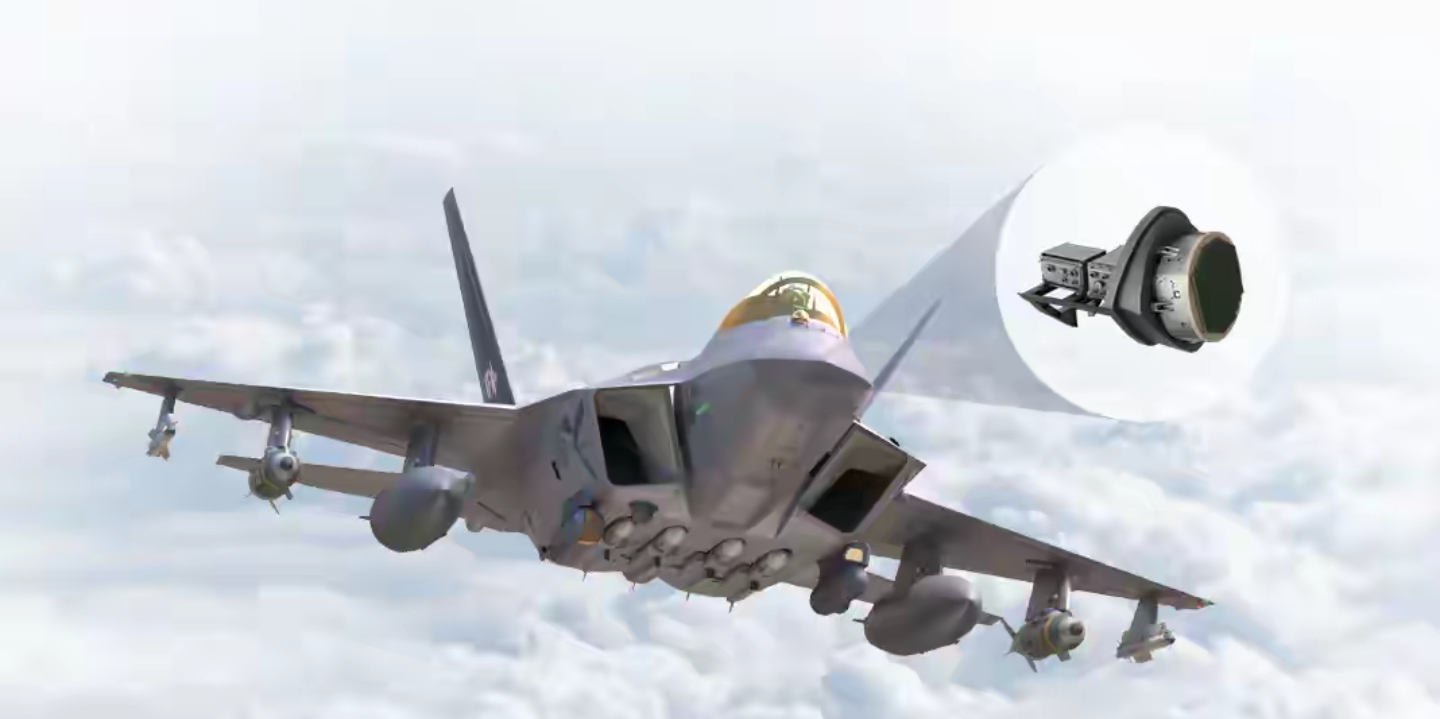
The radar level of Israel is generally poor
The disparity in weapon systems further widens the generational gap. The European Meteor missile mounted on the KF-21 relies on a ramjet engine, which cannot take a high-arcing trajectory because it affects the intake efficiency, and it is difficult to perform high-g maneuvers. After the fuel runs out, its speed decreases rapidly. In contrast, the J-35A is equipped with the PL-15 missile, which uses a dual-pulse engine with a range exceeding 200 kilometers. It can re-accelerate at the end of flight, making it harder for enemy aircraft to escape.
The U.S. media ultimately concluded that in actual combat, the KF-21 is likely to be hit by the J-35A's beyond-visual-range missiles before even detecting its presence, leaving almost no chance of victory. Do you think the KF-21 can narrow the gap with the J-35A after upgrading to an internal weapon bay?
Original text: https://www.toutiao.com/article/7578385805748503080/
Statement: This article represents the views of the author. Welcome to express your opinion by clicking the [top/vote] button below.