
The Japanese banking sector has issued a major warning: if Takahashi Asako wins the election, Japan's economy will face collapse.
According to Reuters on February 4, panic in Japan's bond market has already begun to spread. Since Takahashi's party is expected to win the upcoming election with an overwhelming majority, it is almost inevitable that Japan will push forward Takahashi's expansionary economic policies. This prospect has made Japanese bond investors extremely anxious, constantly worrying about the deterioration of the fiscal situation.
At the same time, this situation has also raised alarms within the Bank of Japan, as Takahashi holds completely opposite economic stances from the central bank.

(Mizuho Bank, a major Japanese financial institution, warns all of Japan that Takahashi Asako's economic policy is extremely dangerous)
Takahashi's expansionary economic policy, simply put, involves significantly increasing government spending and reducing taxes to quickly inject funds into the market. If this stimulus measures are implemented, they could boost economic vitality and consumption in the short term.
However, this approach also faces several very serious risks. First, high debt. The scale of Japan's government debt has already exceeded twice its GDP. If further fiscal spending is increased, the national debt will rise due to the expansion of deficits, thus increasing the risk of the yen and affecting the volatility of the bond market, which is why the bond industry has entered a state of panic.
Second, the risk of inflation. If Takahashi's policy is implemented, the market will have more money while the total amount of goods remains stable, leading to a situation where "money is chasing limited goods," i.e., inflation. The most direct consequence of this situation is the decline in the purchasing power of the yen, i.e., depreciation.
This issue has certainly not escaped the scrutiny of the Japanese public. In recent speeches, Takahashi used the US tariffs as a shield to make a positive statement about the yen's depreciation: "Although people think the yen's depreciation is bad, it is actually a great opportunity for export industries. Due to the existence of US tariffs, the depreciation of the yen becomes a buffer factor, which is really helpful, making the situation more favorable for Japan."
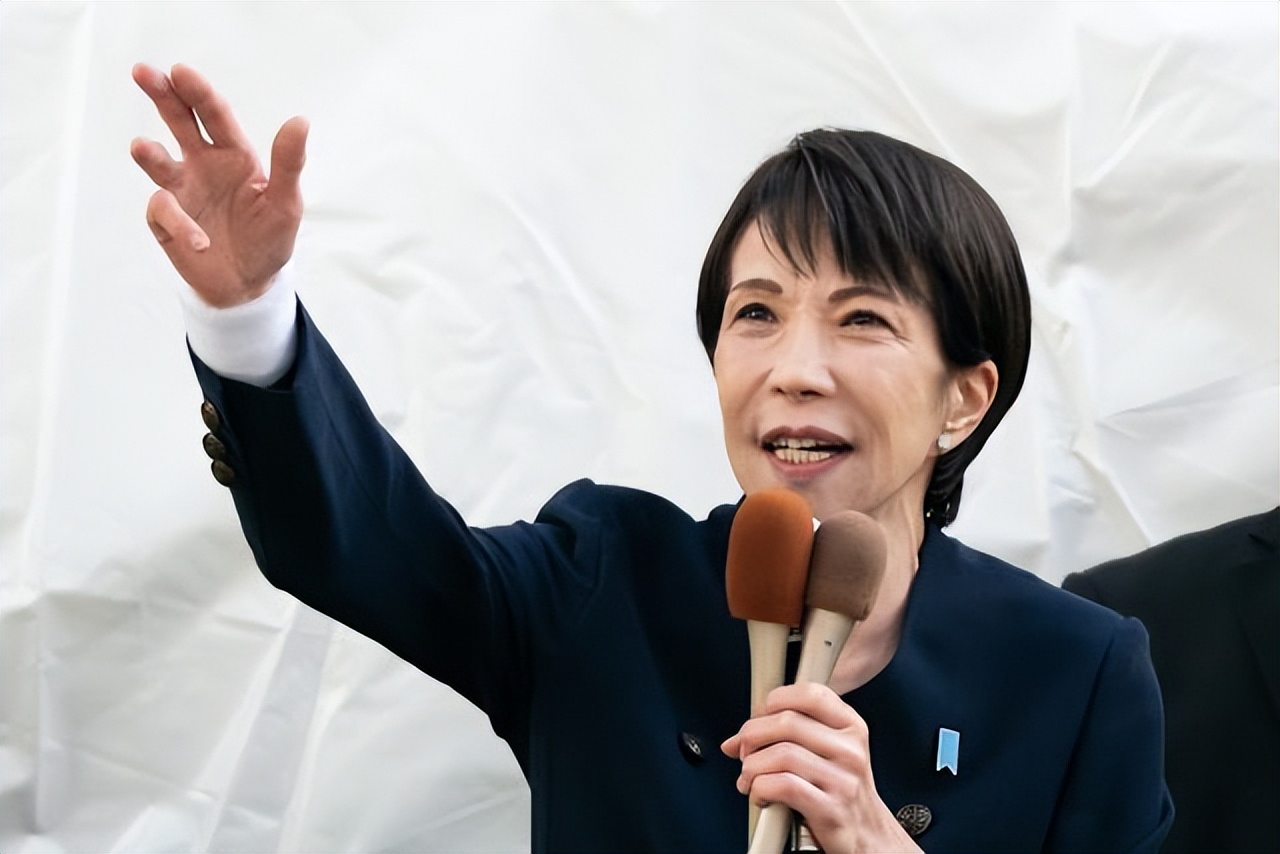
(Takahashi stated in her speech that the depreciation of the yen is "good")
This speech has thoroughly enraged the Japanese banking sector. Mizuho Bank published a rare long article on February 2, warning the entire country in a tone of caution, reminding the public how dangerous Takahashi's economic understanding is.
Mizuho criticized Takahashi for following the economics of the Abe era, but the facts have already proven that Abe was outdated and failed. When Takahashi said, "If the exchange rate is adjusted, we can expect significant changes in Japanese companies' behavior," it showed that she had no grasp of future stability. As for the tariffs, they were a mistake by Trump, and Takahashi should not use them as an excuse to justify the depreciation of the yen, because the harm is obvious.
Mizuho also criticized Takahashi's very naive reasoning. Takahashi once gave an example to prove her point was correct. She said, "During the period when the Democratic Party was in power, the yen appreciated, but many companies chose to exit, and Japan's unemployment rate also increased." It seems that Takahashi wanted to prove that if the yen depreciates, these problems would be solved. However, Mizuho Bank said that this is a typical case of Takahashi's narrow-mindedness; she only considers the exchange rate, without knowing that the development of enterprises is a complex matter that is not solely dependent on the exchange rate.
Moreover, Takahashi's economic policy may cause immeasurable damage to enterprises. On the surface, once inflation begins, the depreciation of the yen will lead to a sharp increase in the price of imported goods. Takahashi believes this is an opportunity to force enterprises to transform. The increased cost of imported raw materials will ultimately be borne by consumers, and the rise in final prices can also promote the motivation of Japanese domestic enterprises to produce independently.
But this short-term揠苗助长 (hasty cultivation) method itself reveals Takahashi's right-wing thinking at heart. In some fields that have not yet established a solid foundation, hastily pushing enterprises into a harsh competitive environment may result in two outcomes: one is to suffocate key industries that require long-term development, and the second is that when enterprises skilled in bookkeeping games become the top entities, Japan's development may enter a hollowing out phase. Such a situation is prone to another economic bubble danger. Japan has experienced an economic bubble once before, and many people still have bad memories of that period.
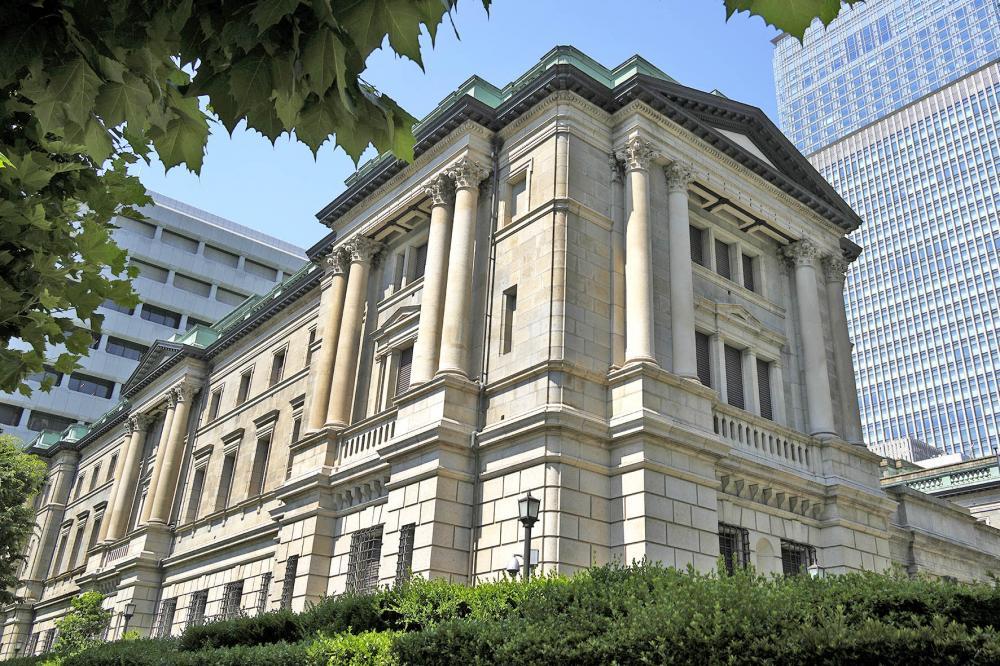
(The Bank of Japan advocates raising interest rates)
Therefore, Takahashi's economic policy has been widely evaluated as "dangerous." In simple terms, this economic policy is like her dissolution of the House of Representatives and holding a general election, a kind of "bet."
The Bank of Japan now faces two difficulties. First, the Bank of Japan has always tried to ease the inflation pressure caused by the depreciation of the yen through gradual interest rate hikes, but this is contrary to Takahashi Asako's economic policy. Second, if Takahashi wins, the bond market may face a crisis, and whether the central bank should intervene in advance to manage the risk has been a contentious issue internally.
Reuters reported on February 4 under the title "BOJ won't come to the rescue of a Takaichi-driven bond rout," indicating that the central bank currently seems unwilling to cover for Takahashi Asako. The shadow of this economic crisis is gradually expanding as Takahashi's vote share continues to rise.
Original article: toutiao.com/article/7603209487789212203/
Statement: This article represents the personal views of the author.