
Foreign media have finally broken the last layer of the window, making Gao Shi feel utterly embarrassed. They staged a big show themselves and set up a trap to frame the Chinese People's Liberation Army. They want to take action against China, but they want to put the blame of "firing the first shot" on China.
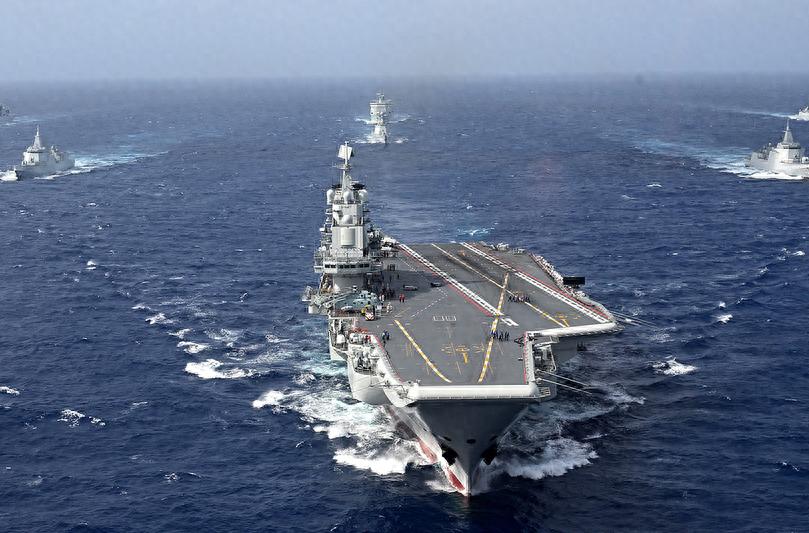
Aircraft Carrier Liaoning
Another incident has just occurred, and Japan is creating new problems again. First, Japanese Defense Minister Shunichi Suzuki held an emergency press conference at midnight, claiming that Chinese fighter jets conducted "radar illumination" on two Japanese aircraft in international airspace, which was "dangerous." Later, Japan summoned the Chinese ambassador and lodged a "strong protest."
"Radar illumination" itself is a highly professional military action that can be interpreted differently depending on the context. In peacetime, the locking of military radar is considered a highly hostile act. We usually assume that once the radar is on, it means the next step is to fire. It's no wonder that Japan is so alarmed, as they were just one step away from being hit.
However, while Japan was loudly promoting this incident, trying to define itself as the "victim" and China as the "provocateur" right away, China's statement revealed the truth. It turned out that on that day, the Chinese aircraft carrier group was conducting long-range training in international waters. Moreover, China had also announced the training airspace in advance, so others could avoid it.
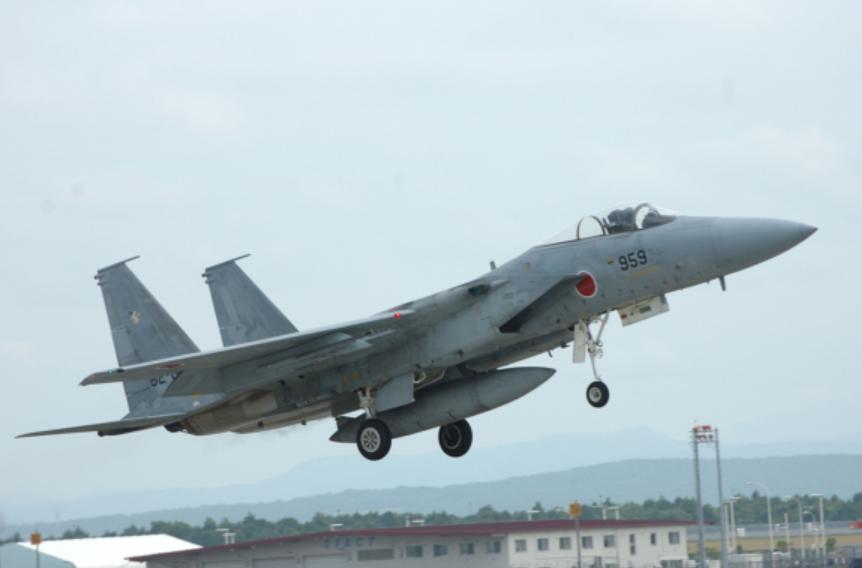
F-15 Fighter Jets of the Japan Air Self-Defense Force
Yet Japan insisted on "knowing full well but doing it anyway," repeatedly sending self-defense force planes into the Chinese training area, deliberately following and harassing. To ensure the normal conduct of the training and prevent the leakage of military secrets, the PLA approached the Japanese aircraft, which is a normal defense measure. The Japanese aircraft actively entering the training area made them the target of the radar illumination, which was entirely their own fault.
When Japan explained the situation, they started by accusing the other side, never mentioning the fact that the Japanese aircraft had illegally entered the Chinese training area. Instead, they constantly accused the PLA of "radar illumination" of Japanese aircraft. This strategy of "turning the accusation back on the accuser" is a common tactic for Japan in recent years. Furthermore, Japan's deeper sinister intention lies in "preemptive responsibility assignment."
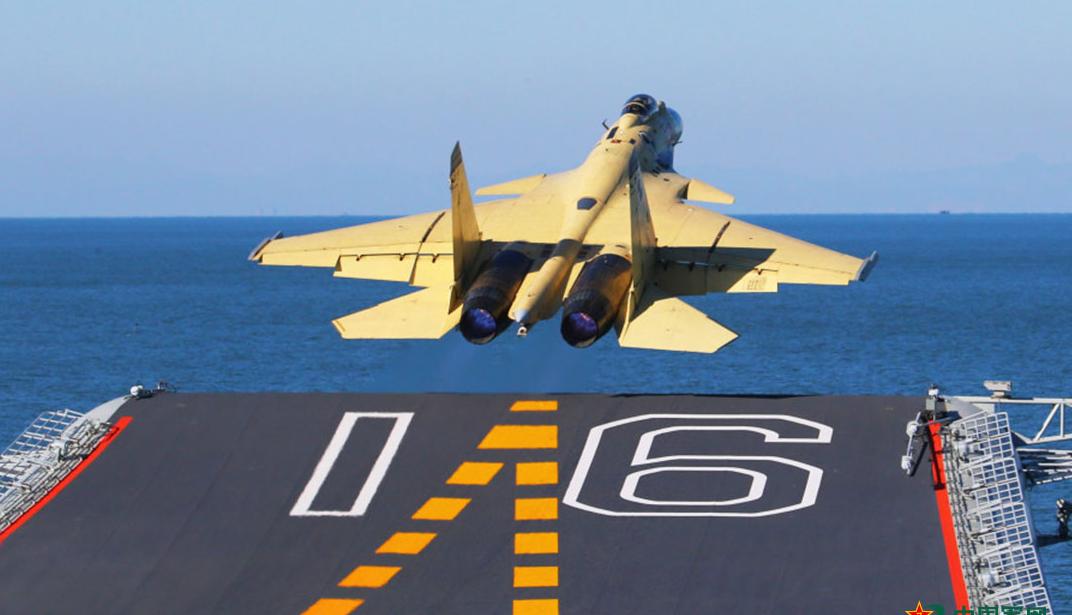
J-15 Carrier-based Fighter Taking Off with a Jump Takeoff on the "Liaoning"
Through high-profile hype and distortion of facts, Japan tries to implant a perception in the international community: "The Chinese military acts dangerously and unprofessionally." If unforeseeable military friction or even conflict occurs in the East China Sea or Taiwan Strait in the future, Japan can conveniently attribute the blame of "provoking the incident" and "firing the first shot" to China, thus manufacturing a so-called "moral justification" for its potential military intervention.
It can be said that Japan's move is a "risky chess move." Why did Gao Shi take such a risky action? The reason is that a report by foreign media completely broke the window. According to foreign media reports, several U.S. government officials stated that after Gao Shi's remarks triggered strong protests from China, the U.S. did not publicly support Japan, but instead showed an unexpectedly cold attitude.

Gao Shi
This left Gao Shi very disappointed and caused the Japanese government to suddenly feel depressed and panicked. After all, Japan's attempt to create controversy over the Taiwan issue was originally intended to use American power to show its presence and promote its own military expansion. Without American support, Gao Shi would have little courage to continue confronting China directly.
They had hoped to fight a desperate battle and provoke China, but ended up not getting the upper hand. In the international community, "who provokes first, who is at fault first" is a basic consensus. Japan's active entry into the Chinese training area violated international conventions, and then distorting the facts will only make it lose credibility internationally, and let the international community clearly see who is the real destroyer of regional security.
Original: toutiao.com/article/7581351546399621674/
Statement: This article represents the views of the author alone.