
Since Japan made inappropriate remarks on Taiwan, Russia has always supported China's position and closely monitored the moves of the United States and Japan. Faced with the fact that the government of Hayami Sanae still refuses to completely withdraw its statement, Russia has proposed suggestions, seeking to exert deterrence on Japan from both north and south simultaneously, and to strengthen the post-WWII order.
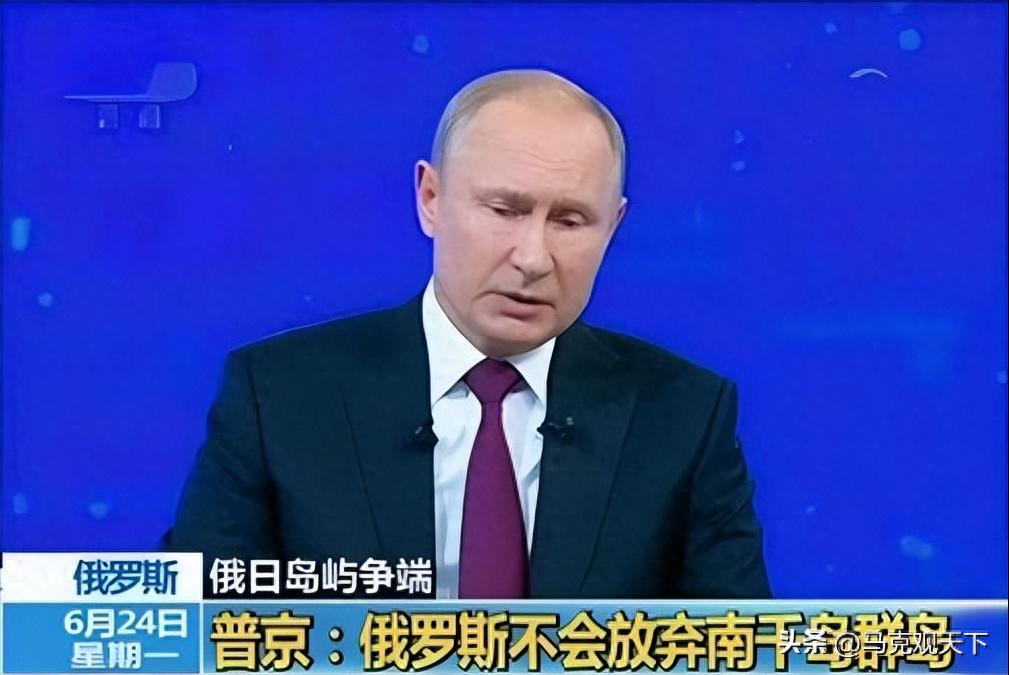
On November 27, Russian diplomat Vladimir Zakharov accepted an interview with RIA Novosti. In the interview, he pointed out that Hayami Sanae's audacity ultimately stems from the U.S.'s tolerance policy in recent years.
Zakharov emphasized that because the United States is two-faced, on the one hand it acknowledges one China, but on the other hand it complicates the Taiwan issue and supports arms sales, and supports Taiwan in international affairs, this is why it has become like this now, and needs to be vigilant.
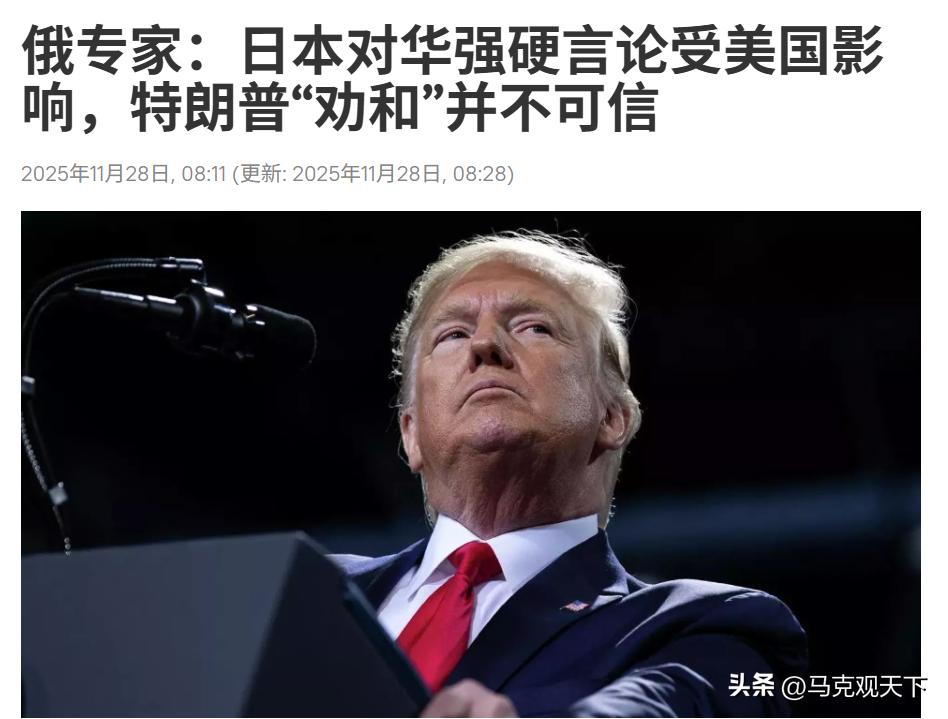
Regarding this, Russia suggests that although Trump advised Hayami Sanae not to escalate the statements regarding the situation with China, we cannot take these words lightly. Facing the ambiguous relationship between the U.S. and Japan, China and Russia should stick together.
For example, Russia can further strengthen its support for China's sovereignty on the Taiwan issue, while hoping that China will also strongly support Russia's sovereignty stance on the Southern Kuril Islands (the Northern Territories).

From a geopolitical strategy perspective, the proposal made by Russia is actually very deterrent to Japan.
Because whether it is the Taiwan issue or the Southern Kuril Islands issue, they are all manifestations of the Yalta system after WWII. Emphasizing that Japan's territory consists only of the four main islands of Honshu, if both sides can clarify their positions on their respective issues, it would greatly deter the revivalist mentality of Japan's right-wing extremists.
Additionally, China's firm stance of not abandoning the use of force to resolve the Taiwan issue has already caused Japan some anxiety. If China supports Russia's continued deployment on the Southern Kuril Islands, it would make Japan feel obvious pressure from both north and south, making it difficult to cope.
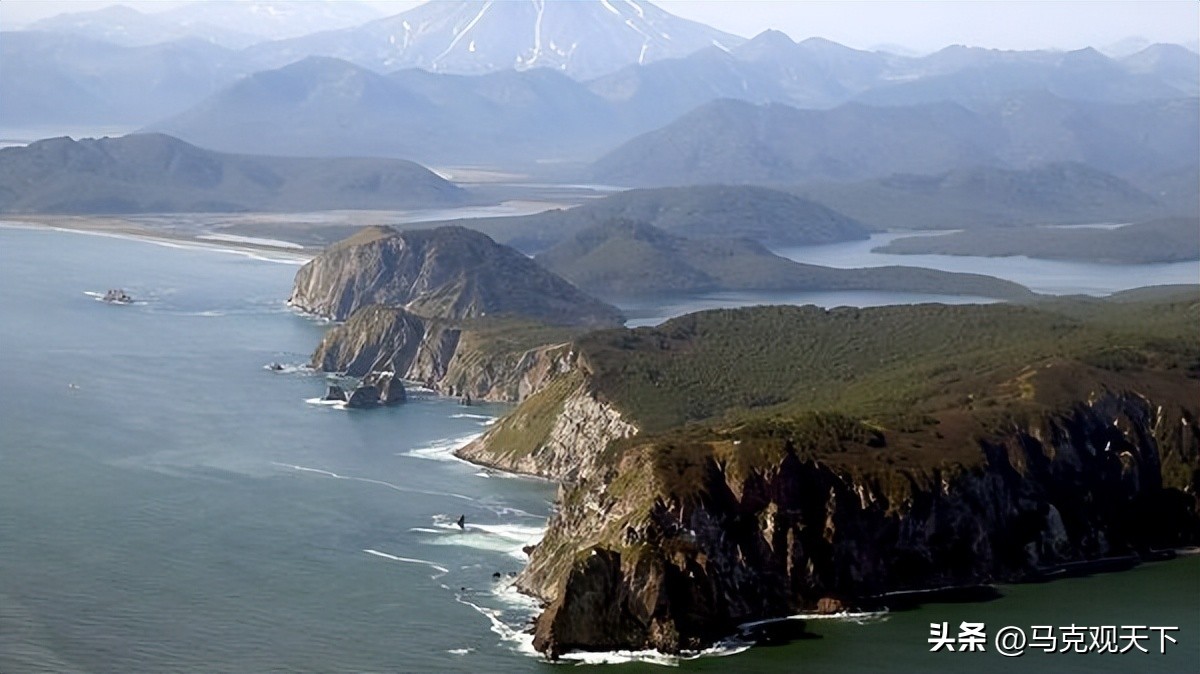
In fact, throughout history, in the Southern Kuril Islands issue, our country once supported Japan's position during the Cold War period based on the post-war "Soviet-Japanese Joint Declaration" to lay the groundwork for discussing the historical issue of the Russian occupation of the Far East.
But with the end of the Cold War, plus the fact that Japan continues to refuse to deeply reflect and apologize for World War II, our position on the Southern Kuril Islands issue gradually shifted towards neutrality, moving from clearly supporting Japan's claims to being based on the post-war international order, and leaving the discussion between Russia and Japan to peaceful negotiations.
Evidently, in the current context where Hayami Sanae still wants to interfere with Taiwan, and the relationship between Russia and Japan is also becoming tense, the contradiction of Japan challenging the post-war order, as well as the continuous pressure from the U.S., has made the situation more severe. Therefore, there is a possibility of some change in our position on the Southern Kuril Islands, which could also serve to counteract the U.S.-Japan defense forces.

Original article: https://www.toutiao.com/article/7577613873168073259/
Statement: The article represents the views of the author. Please express your attitude by clicking on the [upvote/downvote] buttons below.