
Source: CCTV News Client
According to the Institute of Earth Environment, Chinese Academy of Sciences, the team of new air purification technology has proposed a general strategy for the synergistic conversion of carbon dioxide and water by drawing inspiration from the photosynthesis of plants. The relevant findings were published in the international academic journal "Nature Communications" on January 31.
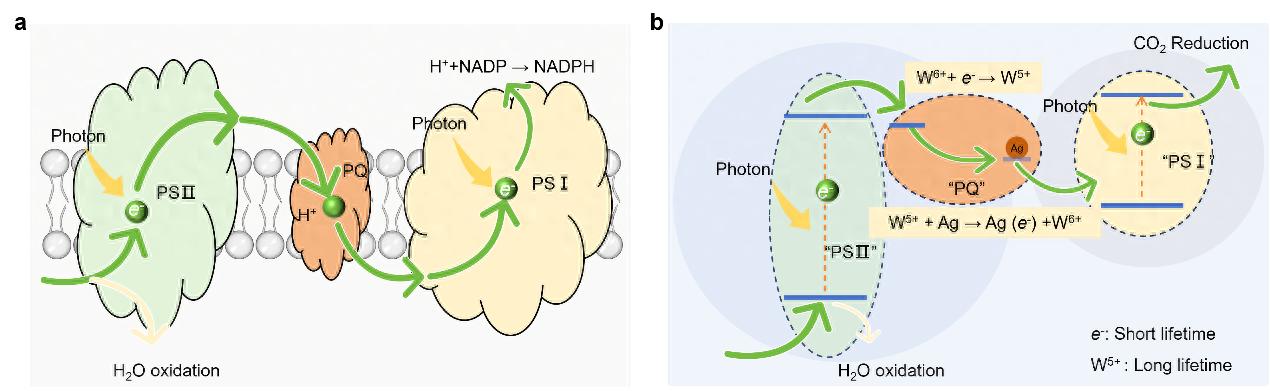
△ Figure 1: Electronic storage mechanism inspired by plant photosynthesis
Plants cleverly convert simple carbon dioxide and water into complex nutrient molecules through photosynthesis, providing a natural example for humans to achieve the resource utilization of greenhouse gas carbon dioxide through chemical means. However, artificial simulation of the photosynthesis process still faces scientific challenges, with the key bottleneck being that the electrons (used to reduce carbon dioxide) and holes (used to oxidize water) generated by light-excited functional materials have extremely short lifetimes, making it difficult to achieve synchronization and continuous reaction between the two.
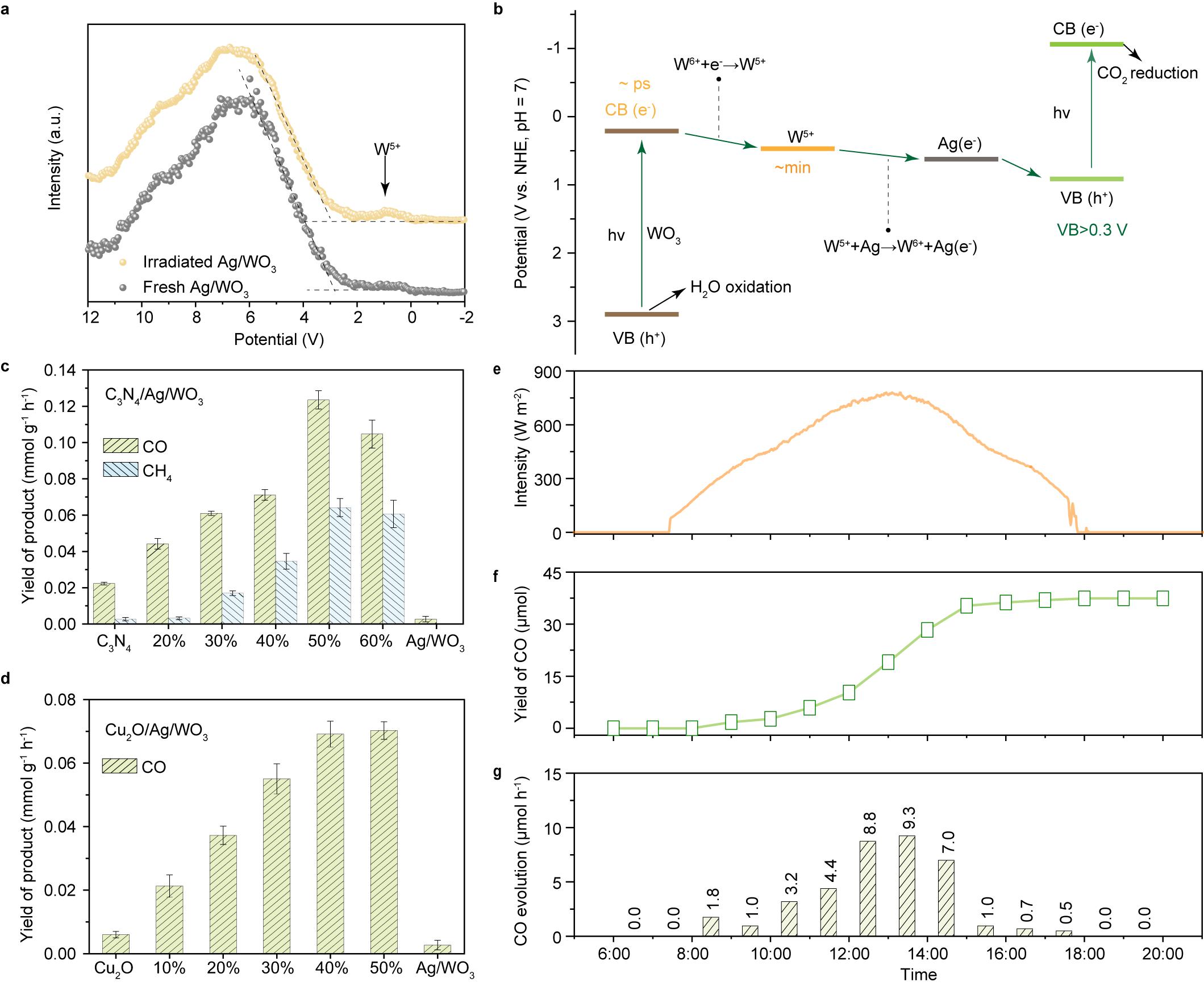
△ Figure 2: Verification results of the universality and practical potential of the electronic storage scheme
The research team's new approach simulates the physiological mechanism of plants storing photogenerated electrons, innovatively designing an electronic storage pathway. By directing the design and preparation of material structures, it can store electrons during illumination and precisely release them when needed, thus achieving precise control over the reaction rate and extent of carbon dioxide and water. Based on this idea, the research team successfully constructed silver-modified tungsten trioxide (Ag/WO3) material with electronic storage function. By combining it with catalytically active components phthalocyanine cobalt for verification, the carbon dioxide conversion efficiency was nearly 100 times higher than that of pure phthalocyanine cobalt. In addition, this strategy has good universality and applicability, and multiple structure-matched composite catalyst systems can be built according to actual needs. This scheme operates stably under natural light conditions, providing a feasible technical path for large-scale conversion of carbon dioxide using solar energy to produce clean energy such as carbon monoxide and methane.
(CCTV reporter: Shuai Junquan, Chu Erjia)
Original article: toutiao.com/article/7601688506531856948/
Statement: This article represents the views of the author.