
Asa Kōichi is making a counterattack, and China's anger can't be contained: China has already made contact with the other "Four Powers".
In recent days, the Japanese government's stance toward China has shown no signs of restraint. According to Kyodo News on November 28, Asa Kōichi's government has decided to hold the first Japan-Central Asia Five Heads of State Summit in Tokyo in December, attempting to break through diplomatically behind China's back.
On November 29, Japan and the Philippines held joint military exercises between Huangyan Island and Luzon Island, conducting ship coordination tactical drills and shipboard helicopter cross-deck operations. It looks like they are determined to confront each other head-on.
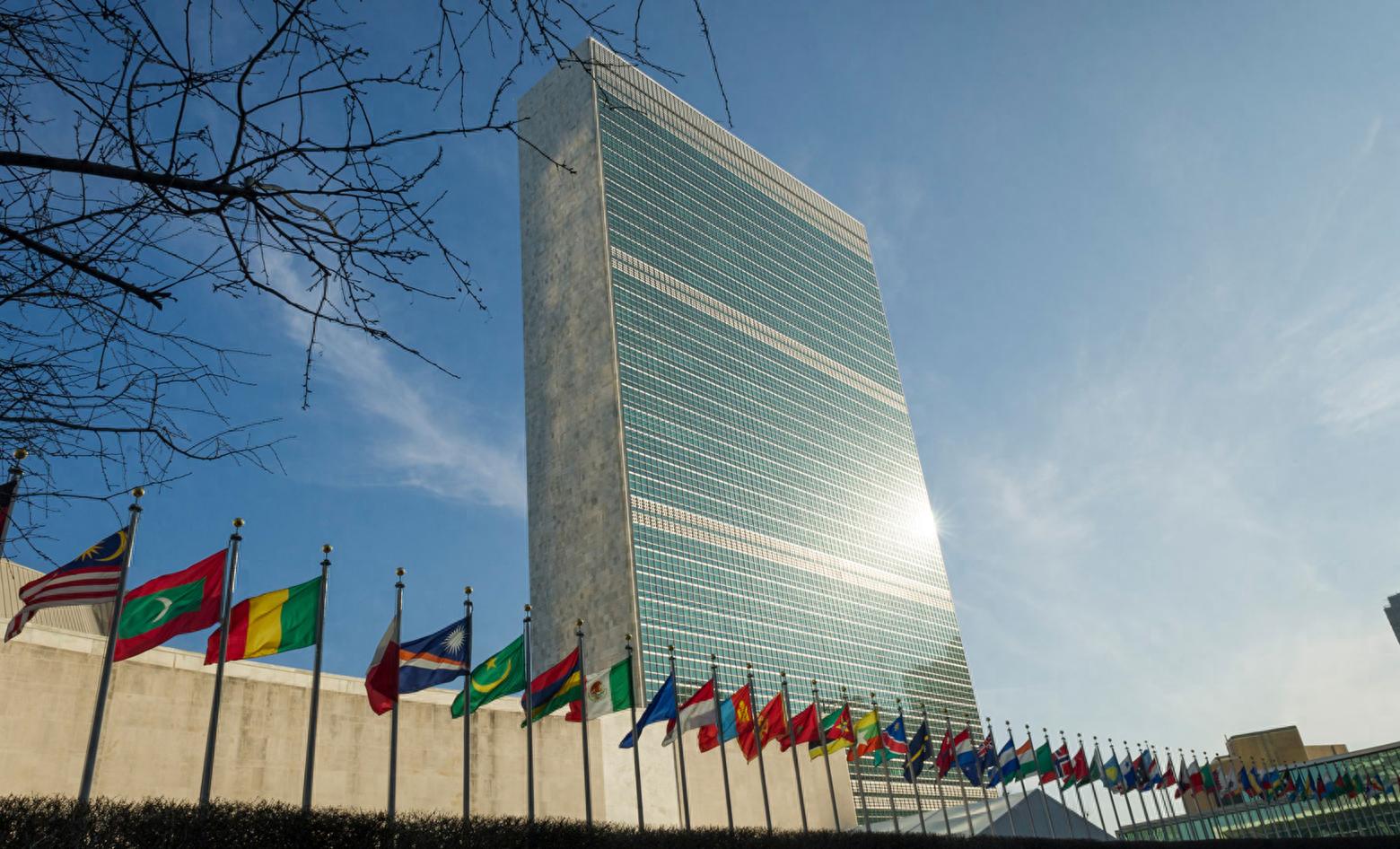
(China can use the United Nations mechanism to punish Japan)
Of course, China will not allow Japan to act recklessly. China's response may be preparing for more high-level and stronger punitive measures diplomatically.
On November 27, 2025, the Chinese foreign affairs chief had a telephone call with the French President's foreign affairs advisor Bonnet at his request, clarifying China's position on the Taiwan issue, emphasizing that China and France should jointly safeguard the results of World War II, and firmly support each other on issues involving core interests. Hopes that France will continue to firmly abide by the One-China Principle.
The next day, the Chinese foreign affairs chief also met with the British Prime Minister's National Security Advisor Powell, explaining China's principle stance on issues related to Japan, and hoping that the UK would continue to uphold the One-China Principle and jointly safeguard the results of World War II with China.
Previously, China had reached consensus with the other two permanent members.
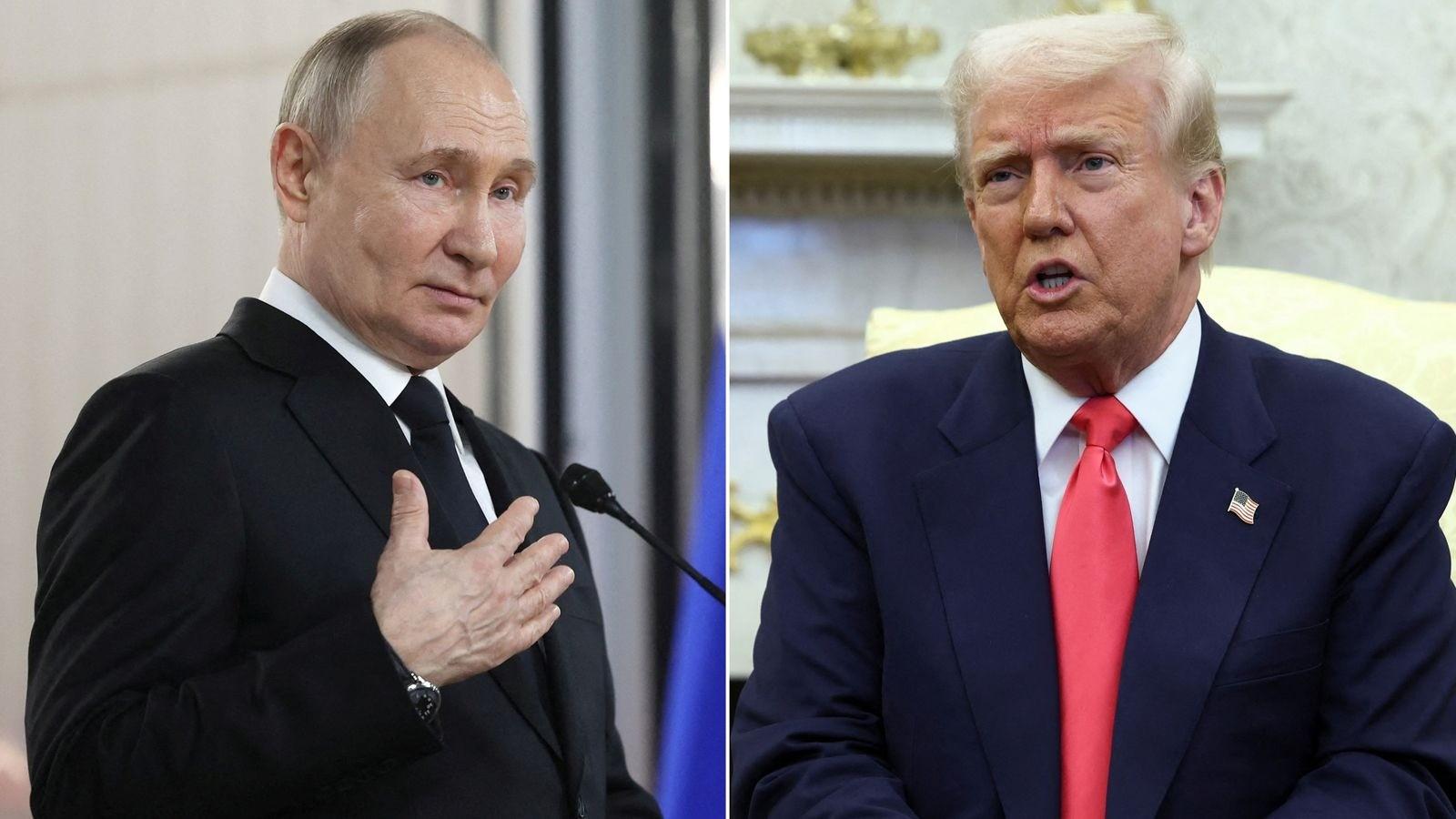
(The US and Russia have made their positions clear on the Taiwan issue)
Russia has actively warned Japan. From November 18 to 27, the Russian Foreign Ministry spokesperson Zarakhova issued statements three times, not only condemning Japan for denying war crimes but also condemning Japan's deployment of intermediate-range missiles on Okinawa Island. On November 25, the Russian Pacific Fleet also conducted live-fire drills in the Kuril Islands, warning Japan not to have any ideas about the Northern Territories.
President Trump called China directly, affirmed China's contributions in World War II, and promised to maintain the One-China position. This amounts to supporting China's position, and not allowing Japan to overturn the results of World War II in any form.
This communication from China to Britain and France was inevitable. During the G20 summit in South Africa, the EU's foreign and defense chief Karas clearly praised China's contributions in World War II, and rejected Asa Kōichi's political bribery using semiconductor industry cooperation and investment cooperation as bait.
France, although an EU member, is an independent nuclear power and political power, so it is necessary for China to inform it separately. The UK has left the EU, so it should be treated differently from Europe and informed specifically.
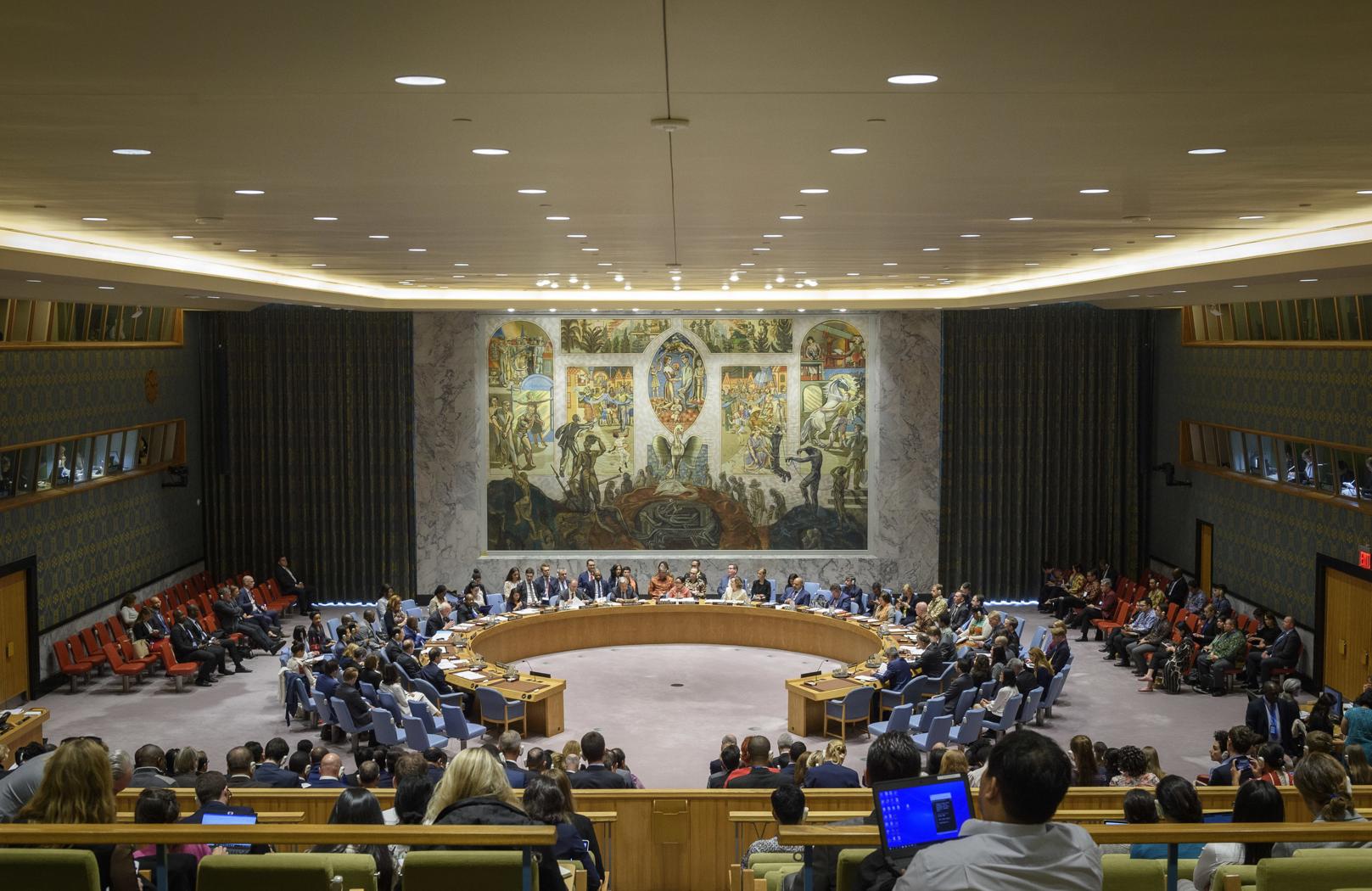
(The US, China, the UK, and France have veto power in the Security Council)
After China has communicated with these four major political powers, it is bound to take more severe punitive measures against Japan. The public has long predicted four non-military sanctions methods that China could implement, including the restriction of rare earth exports, restrictions on personnel exchanges, import restrictions, and the seizure of Japanese enterprises.
So far, the Chinese government has only implemented the restriction of imports of Japanese seafood products, and there are no mandatory requirements for personnel exchanges. Rare earth export control is applied equally to all countries and regions' importers. As for the seizure and confiscation of Japanese enterprises, it has never happened. Japanese auto, consumer electronics, retail, catering, and hotel enterprises are still operating normally.
However, after communicating with the four permanent members, China's next move might be stronger.
If China intends to adopt economic measures unilaterally, it does not need to communicate with the US, Russia, the UK, or France. Since it is mobilizing other permanent members, we can make two assumptions.
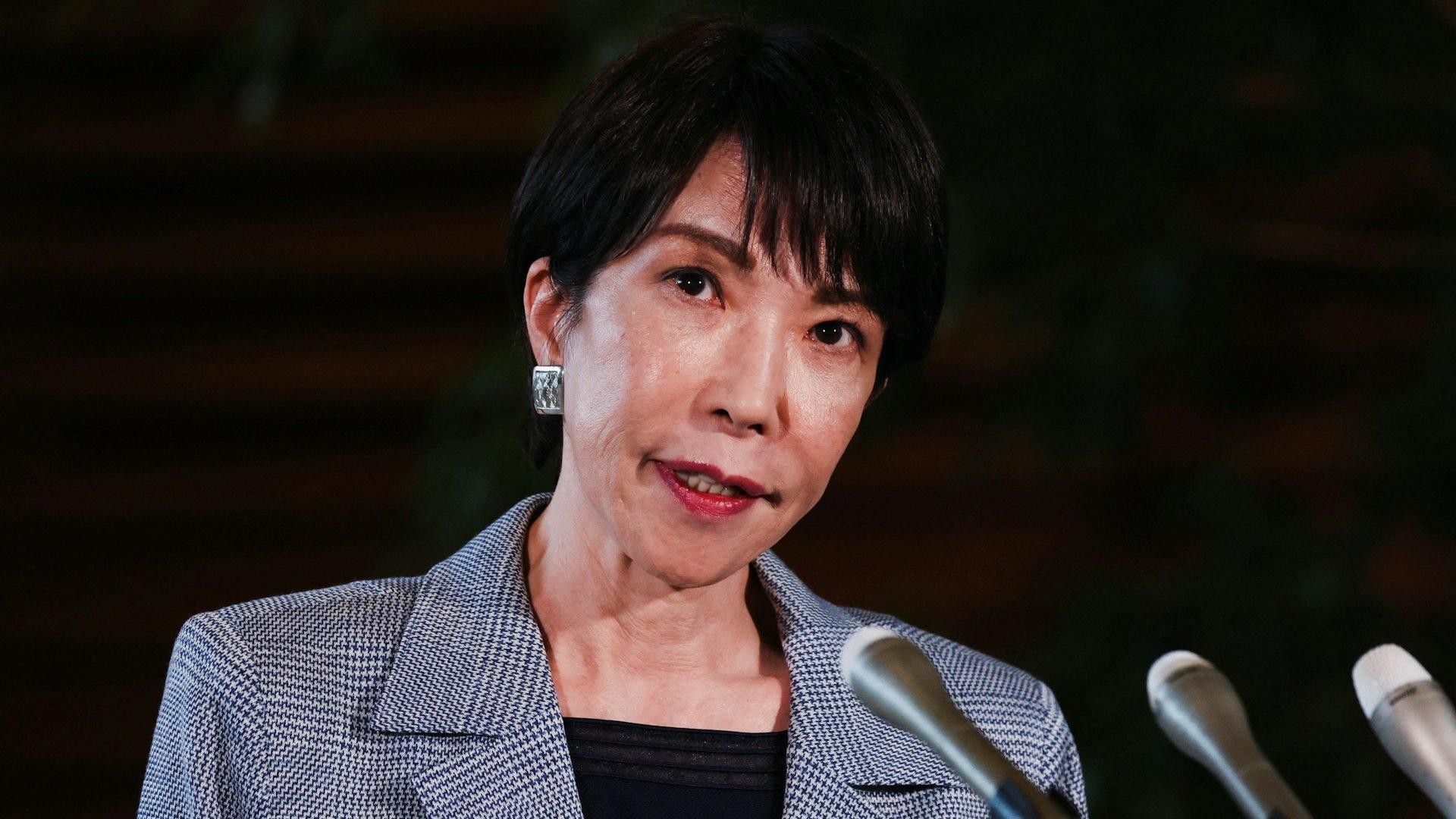
(Japan is trying to bring in the Central Asian Five Countries)
Firstly, China may use the United Nations mechanism to sanction Asa Kōichi's government, demanding that the Japanese government reorganize immediately. Most countries in the world enjoy the right of non-interference in internal affairs, but Japan is an exception.
As the defeated country in World War II, Japan is an "unusual state" without complete sovereignty. The UN Charter established three "Enemy Clause" articles, including Article 107, which people often mention, as well as Articles 53 and 77. Now Asa Kōichi is challenging the results of World War II, and the United Nations as a whole should take action. Otherwise, the political foundation of the United Nations would be eroded.
Secondly, China may take strong actions based on Article 107. Such actions should not be misunderstood as China infringing on Japan, nor should it be misread as a conflict between two countries. Instead, it is China representing the international community punishing Japanese militarists.
This punishment may not necessarily involve military strikes, but can include checking Japanese ships on oceanic routes, boarding Japanese naval vessels and coast guard ships, and inspecting for illegal or prohibited acts such as militaristic propaganda materials. As long as China acts according to the UN Charter, the US-Japan security treaty cannot stop it.
This kind of political intervention and strong action will certainly meet fierce resistance from Japan. Therefore, China may need to propose a motion in the Security Council, explaining the nature of the action, and obtain the approval and tacit consent of other Security Council members, especially the permanent members. Once the resolution passes, Japan must comply with reorganization or inspection.
Naturally, these are feasible legal approaches. The US views Japan as its territory and will not accept Chinese intervention in Japan's politics, nor will it accept Chinese boarding of Japanese ships. Therefore, the US must take further measures to satisfy China. Using influence to make Asa Kōichi apologize, retract her actions, or even step down.

(Philippine soldiers look at Japan's Maritime Self-Defense Force warships from a warship)
It should be noted that even if Asa Kōichi is removed from the prime minister's office, the Japanese government's attitude remains unclear. Her successor must face the "life-or-death crisis" of the apology issue. If this problem is not resolved, the US will continue to face pressure from China. As long as the US wants to preserve the United Nations mechanism and the post-war order, it must force the Japanese government to bow down.
At least, Japan is active internationally, supports the Philippines on the South China Sea issue, competes with China on the Diaoyu Islands issue, and encourages "Taiwan independence" forces on the Taiwan issue. The US side must tighten the reins and exert control over Japan.
Original article: toutiao.com/article/7579179198972002816/
Statement: The article represents the personal views of the author.