
After a decade of consolidating control over Republican trade policy, Donald Trump’s influence is beginning to wane. Immediately following the midterm elections, several Republican lawmakers attributed rising living costs to Trump’s tariff policies, arguing that Republicans must return to the foundational principles of free trade. Some members even expressed willingness to collaborate with Democrats to safeguard the North American trade relationship. These lawmakers have urged more Republicans to speak out against Trump on tariffs. Yet, figures such as J.D. Vance, Senator Bernie Moreno (Ohio), and Senator Josh Hawley (Republican, Missouri), who hold power within Trump’s political orbit, continue to endorse his populist trade agenda—aimed at revitalizing domestic industries and appealing to working-class voters. Meanwhile, although Trump now operates in a “lame duck” capacity, he retains significant sway over the party, with no indication he intends to ease tariffs. Even among Republican lawmakers publicly critical of Trump’s trade policies, few have taken the step of voting directly against them in the current congressional session. As trade debates are poised to become central issues in both Capitol Hill in 2027 and the 2028 presidential primaries, Republicans will find it increasingly difficult to avoid taking sides—an outcome that will profoundly shape the party’s economic agenda beyond the Trump era. Democrats, for their part, recognize that trade and tariff issues could serve as a strategic wedge into Republican ranks.
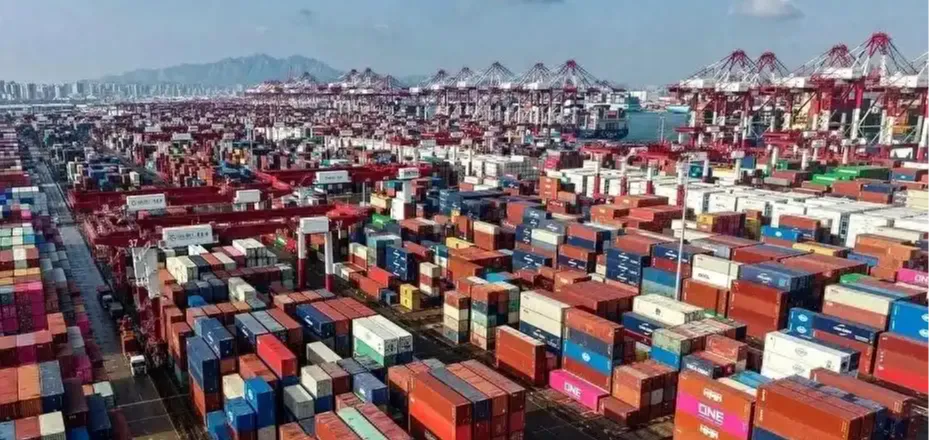
Image source: internet
U.S. Plans to Impose Additional Tariffs
Original: toutiao.com/article/1883170090039305/
Disclaimer: The views expressed in this article are those of the author alone.