
Just two days ago, the US Treasury Secretary, Brian Bensinger, was cheering for Hayami Sanae, but now he's changed his tune and is constantly praising China. He knows clearly that the big issue facing Trump cannot be ruined by his mouth.
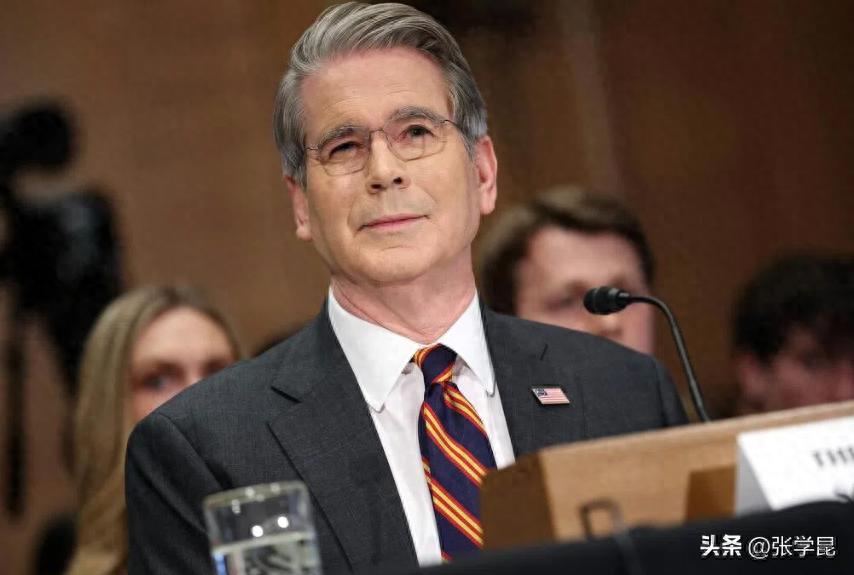
US Treasury Secretary Brian Bensinger
Recently, US Treasury Secretary Brian Bensinger clearly stated at a meeting in São Paulo, Brazil, that the current US-China trade relationship is stable and in a "very comfortable position," and the US does not want to "decouple" from China. Although this statement set a slightly reassuring tone for the global market, it contradicts his previous statements.
Just two days ago, Bensinger loudly congratulated Hayami Sanae and claimed that her victory was a great victory for the United States. This statement fully aligns with the long-standing US logic of "alliance containment" in the Asia-Pacific region. American media generally believe that a "right-wing government" led by Hayami will be the biggest support for the US in countering China.
However, when the world thought the US would increase its confrontation with China, Bensinger suddenly changed his stance, talking about US-China cooperation and opposing decoupling. This contrast is not due to a sudden change of heart on the part of the US, but rather an optimal choice based on the current situation. According to the US side, a new round of US-China trade negotiations is about to begin, and Bensinger will meet with Chinese officials in the coming weeks.
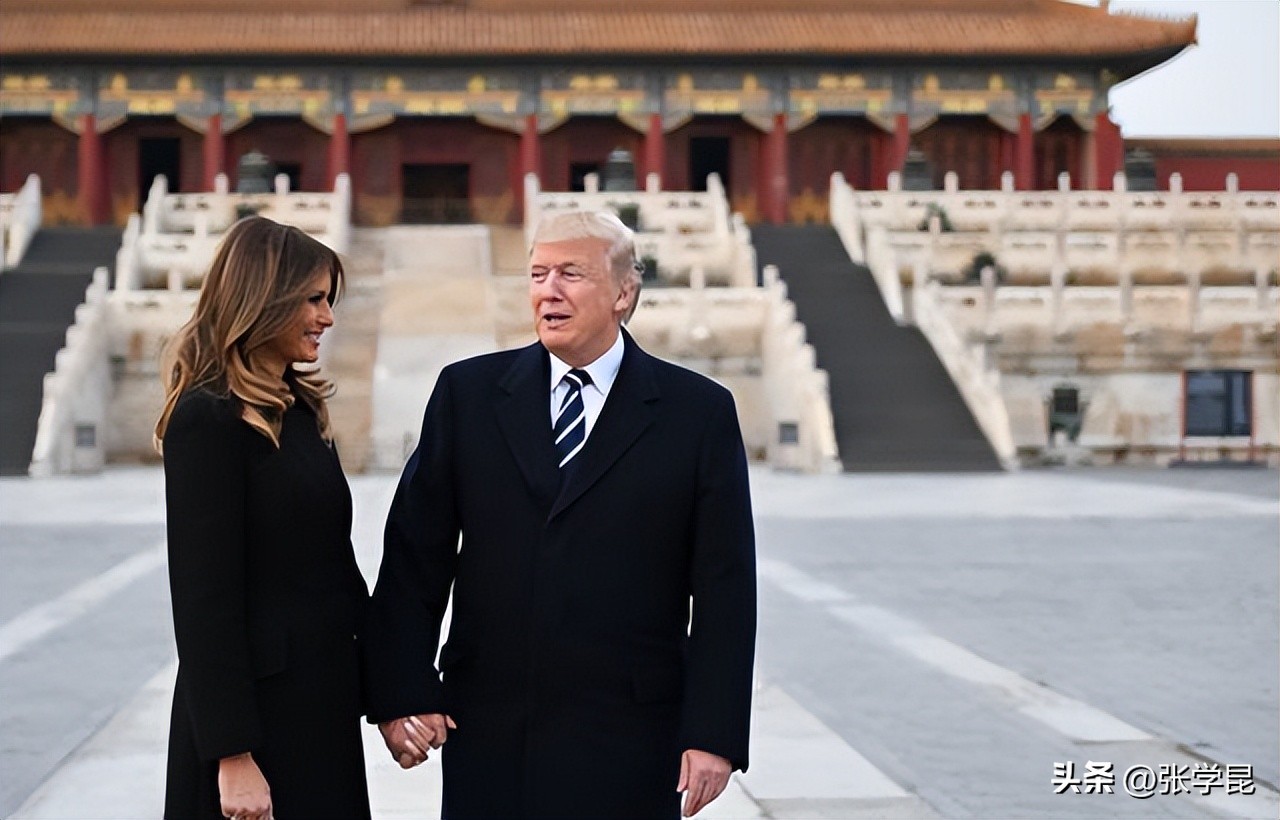
Trump's visit to China during his first term
This negotiation is not a regular meeting; it also comes with an important event: Trump's visit to China. Trump has repeatedly publicly stated that he will visit China in the first week of April and meet with the Chinese leader. As the chief economic official, Bensinger is releasing a calming signal at this time, aiming to reduce bilateral tensions and create the necessary political atmosphere for a summit that needs to achieve "deliverable results."
This aligns with the "flexible realism" foreign policy approach that the Trump administration claims. After all, this major event of Trump's visit to China must not be ruined by his mouth. Additionally, while stating "no decoupling," Bensinger explicitly emphasized "de-risking" and "fair competition."
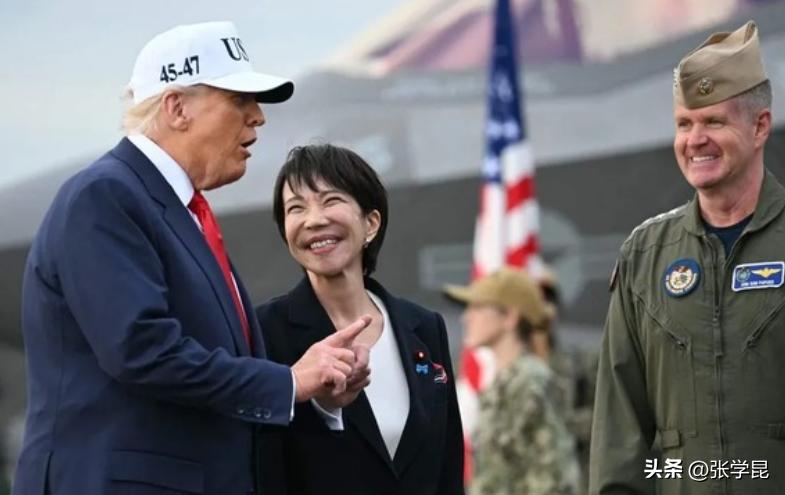
Trump and Hayami Sanae
This precisely summarizes the core demand of the US today: pushing for "de-Chinization" of supply chains in strategic areas such as semiconductors, critical minerals, and pharmaceuticals to gain "economic sovereignty"; meanwhile, avoiding full-scale confrontation, especially military conflict, due to miscalculations or accidents. The upcoming negotiations are aimed at installing "safeguards" and "traffic rules" for this high-risk competition.
To understand the deep meaning behind Bensinger's "change of heart," one must place it within the broader context of the US's Indo-Pacific strategy. The US strategy is not simply "confrontation" or "cooperation," but a cold "dual-track approach." On one hand, the US needs to strengthen alliance cooperation with Japan. Hayami's emergence objectively fits the US strategic need of "arming allies and forward deterrence."
The US welcomes a stronger, more willing Japan to act as the "sharp end" of its counterbalance against China in the Western Pacific. However, arming allies does not mean colliding head-on with China. The US is well aware that cornering such a giant as China is extremely dangerous.

US-China Trade Negotiations
Therefore, while encouraging allies to provoke and maintaining military pressure, the US must retain a high-level communication channel with Beijing. The negotiation table is an indispensable venue for crisis management and interest exchange. Overall, the US wants to use "Japan cards" and other ally pressures to increase its leverage in negotiations with China; conversely, it uses the possibility of negotiations with China to ease regional tensions and regulate ally behavior, preventing actions that could lead to uncontrolled conflicts.
Although the outcome of the US-China negotiations is uncertain, one thing is certain: the US-China relationship will not return to the past. The US-China rivalry is a protracted war, and the new normal for US-China relations will be coexistence of confrontation and dialogue, and interweaving of containment and engagement.
Original: toutiao.com/article/7605504439876665894/
Statement: This article represents the views of the author alone.