
According to foreign reports, UK Prime Minister Starmer has publicly announced that he will visit China in early January 2026. Considering the ups and downs of Sino-British relations in recent years, Starmer's visit may be intended to set a new starting point for Sino-British relations. However, looking back at the past decade, what have British governments done to China? People can't help but ask: is this visit coming too late? Can Britain's diplomatic shift still be timely?

(Starmer announced his visit to China)
Starmer took political risks at home to make this visit happen. Before his visit, the UK government had just approved the renovation project of the new Chinese embassy in London. There are still many people in the UK who oppose this. According to them, the new site is close to many sensitive facilities in the UK, and it is very unsafe for the Chinese to build an embassy here. However, some public opinions believe that this actually reflects the fear of the British conservatives towards China's revival and rise. The fact that the Chinese government can purchase such a large-scale historical building in London's prime location demonstrates the financial strength and courage of the new China, which naturally makes the old remnants of the British Empire feel jealous and resentful. Starmer's approval of the new embassy site was criticized by these people as a betrayal of national interests.
Starmer's willingness to take great pressure to improve relations with China is mainly because the British Empire is having a hard time recently. US President Trump has taken an extremely rude attitude towards his European allies. Even countries like the UK, which are close relatives, have been insulted by him. The UK was the first Western country to reach a tariff agreement with the US, confirming a relatively acceptable 10% tariff rate.
However, in January 2026, at the Davos Forum in Switzerland, Trump said something completely different. He said that the combat effectiveness of the allied forces fighting together in Afghanistan was very poor and was a real burden on the US military. This completely ignited the anger accumulated by the UK due to the Greenland issue. In the eyes of the UK, the American cousin should take good care of the British uncle, just as President Roosevelt did during World War II. But Trump refused to give even this face. It is easy to imagine the dissatisfaction of Prime Minister Starmer.
Therefore, Starmer's visit to China is difficult to be seen as an indication of his correct understanding of Sino-British relations, but rather as a political gesture made by the British government after failing in its diplomacy with the US. This is intended to stimulate the US to pay more attention to itself. People have already seen that Canadian Prime Minister Trudeau achieved important results in his visit to China and then publicly criticized Trump at the Davos Forum, successfully drawing Trump's attention. So, can the British cousin, who has already slipped to the edge of the stage, also attract the attention of the American cousin by visiting China?
Perhaps because of this, the Chinese side showed a calm attitude towards the news of Starmer's visit to China.
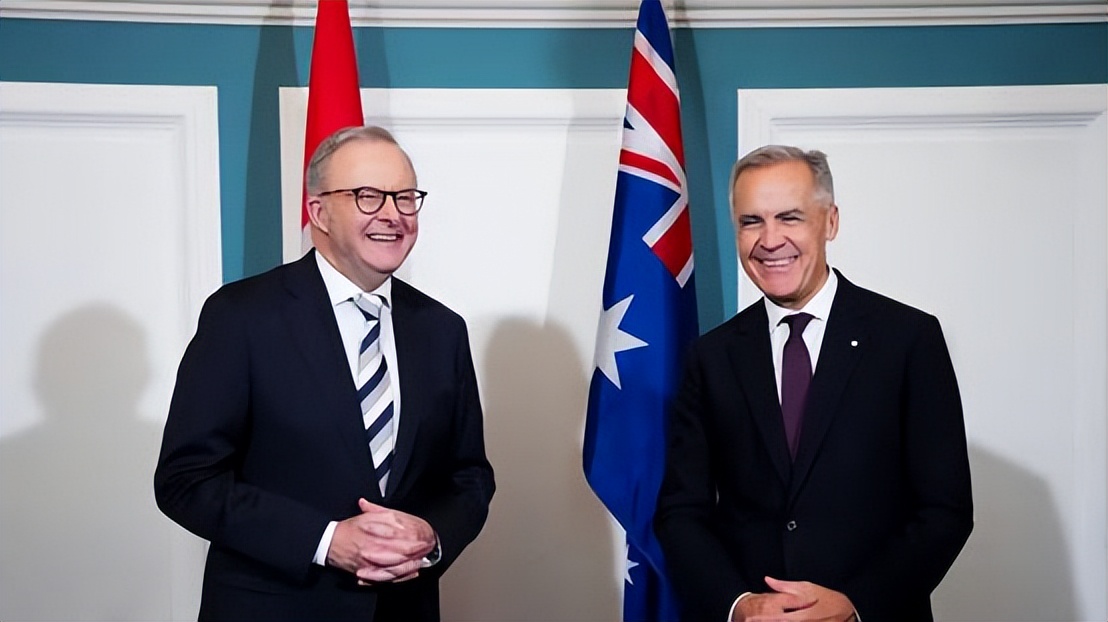
(Australia and Canada have rich resources for export to China)
Starmer's visit to China also has some practical considerations. Starting from Johnson, to Truss and Sunak, the UK has treated China as an "adversary," making absurd accusations and insults. They unilaterally tore up contracts between China and the UK regarding nuclear power plants and high-speed railways. Such bad behavior inevitably led to a decline in Chinese investment. Now the UK government is facing a serious fiscal crisis. Several consecutive prime ministers have resigned, and it is directly related to debt issues. The UK's manufacturing industry has basically been abandoned. The so-called international education industry and financial services cannot create many job opportunities or government tax revenues. Therefore, the UK urgently needs a large amount of foreign investment to revitalize its economy. Another necessity for Starmer's visit to China might be to seek loans from China to stimulate economic growth again. Some British people say: "If we ignore China and pretend it is not important, it would be reckless, only making the UK poorer and less secure."
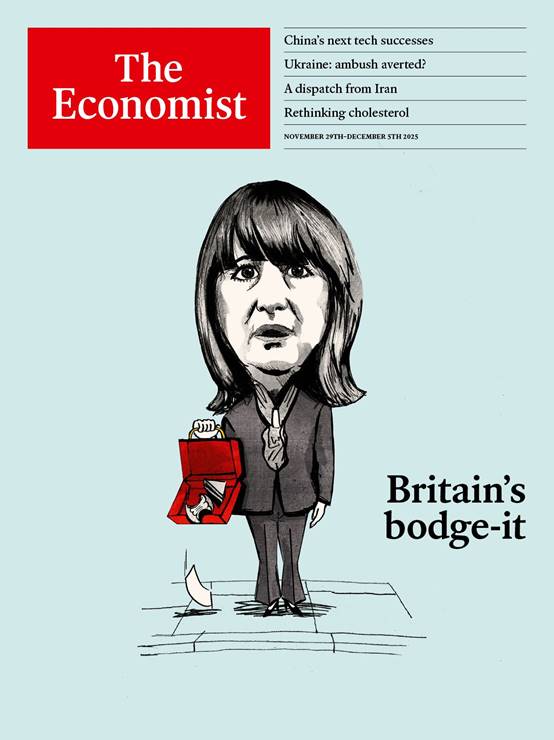
(The UK economy has fallen into desperation)
The more desperate the situation, the less value the UK has in front of China. It lacks a firm and all-weather friendship, and unlike Canada and Australia, it does not have rich resources to export to China. Even its strategic nuclear deterrent force is bought from the US. What is the reason for China to give it preferential treatment?
Starmer's own situation is not optimistic either. According to recent opinion polls, his support rate has dropped to 12%. When Sunak resigned, his support rate was still as high as 25%. Truss's support rate before resignation was about equal, only 10%. Starmer is approaching the execution line and is not far from resigning. Even if Starmer achieves certain agreements in this round of visits, the new government may not continue to implement them. For this forced visit by Starmer, people find it difficult to have high expectations.

(Starmer's cabinet members have low popularity ratings)
In fact, for any UK prime minister, it is not difficult to receive a warm welcome in China. All he needs to do is return some of the Chinese cultural relics looted by the British Museum, and the Chinese people would believe in his sincerity. Starmer has not mentioned this at all, so people can only assume that he is coming for political opportunism.
Original: toutiao.com/article/7599948035174433280/
Statement: This article represents the views of the author himself.