
"The last major stronghold of German industry is under strategic attack by Chinese companies: mechanical and equipment engineering!"
This is the theme of a cover article published in the latest issue of the German magazine Wirtschaftswoche (WIWO). The article cites the results of a survey report from Infront, a Hamburg-based management consulting company, which states that Chinese companies are systematically challenging Germany's key industries in the global market. After achieving success in the automotive industry, the latest wave of attacks targets the field of mechanical engineering.

The cover of the latest issue of Wirtschaftswoche
To conduct this study, Infront conducted in-depth interviews with 34 chief executives of major German and Chinese mechanical engineering companies. Additionally, 136 enterprise executives related to China, including 75 CEOs, completed detailed questionnaires.
For the first time, CEOs have disclosed in detail how Chinese competitors are catching up and what measures they are taking to respond.
More than 60% of the European mechanical manufacturers surveyed stated that they have already lost their technological, quality, or brand advantages, or expect to lose them within this decade. There is no doubt that it is Chinese companies challenging this leadership: 75% of European mechanical manufacturers believe that competition from Chinese competitors is "the most urgent strategic challenge globally."

German manufacturing was once considered unbeatable
Weber, the Chief Technology Officer of Wilo, a pump manufacturer based in Dortmund, has been traveling between Asia and Germany for thirty years. He has witnessed the topic that has dominated discussions among German business leaders in recent months: "Chinese competitors are catching up."
Weber recently had the opportunity to visit a BYD car factory. "Anyone who still believes that Chinese companies are lagging behind Germany in production conditions is wrong," he concluded.
In the automotive industry, China has caught up with Europe, just as it did in the electrical industry. The chemical industry is also gradually catching up, such as Wanhua Chemical, a competitor of BASF, and Syngenta, a leading agrochemical company.
Phil Clements, head of the industry department at Infront and author of the research report, said that the competitiveness of German mechanical engineering has declined comprehensively: "Products and solutions are launched too late, prices are too high, and there is insufficient attention to users." As a result, "the value represented by European premium products is gradually being lost."
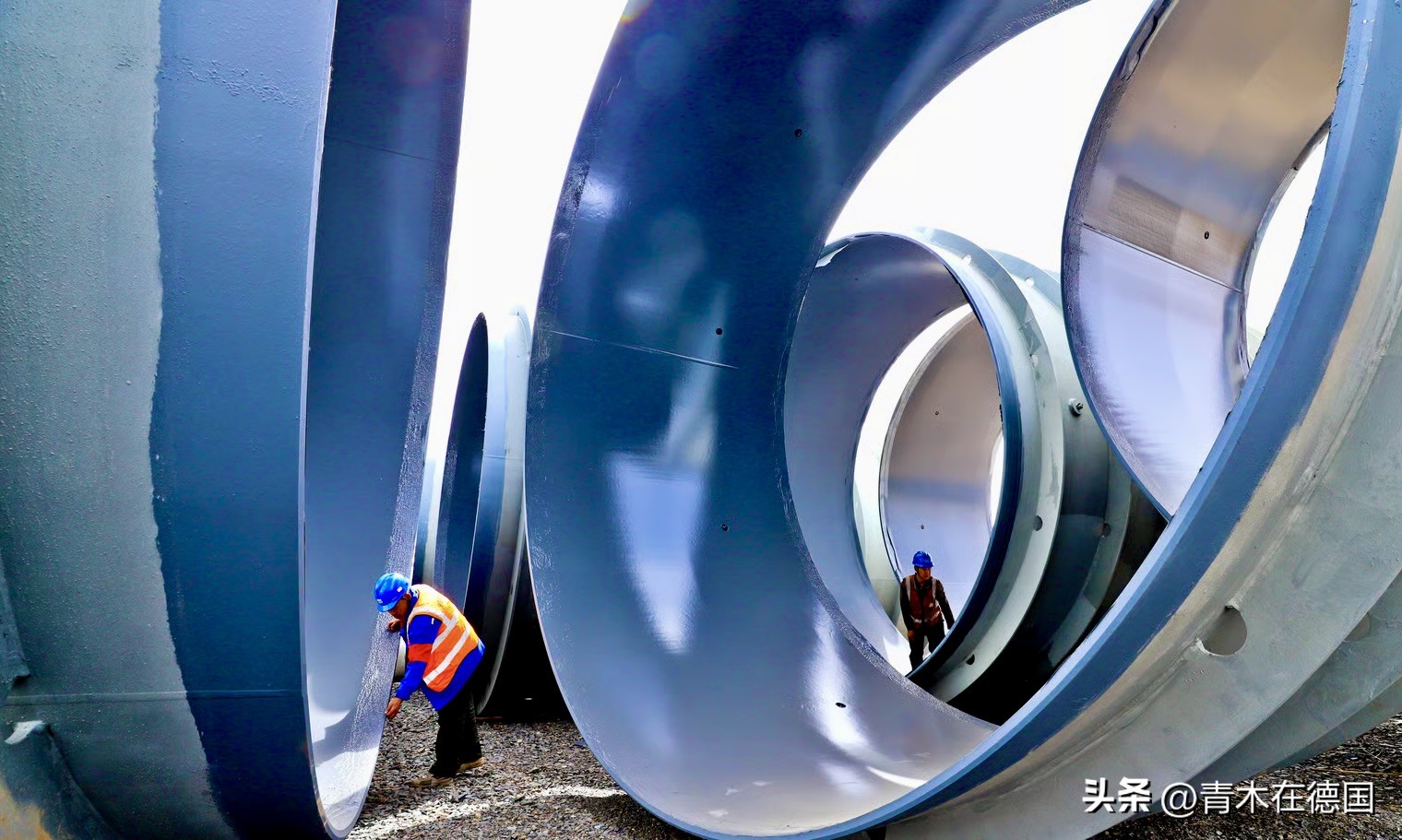
Chinese companies are continuously surpassing
In many areas, the abstract threat from Chinese competitors has transformed into direct competition. The report gives examples:
Jungheinrich's forklifts? They are increasingly being replaced by cheaper models from Sany.
Siemens Healthineers' medical technology? Still the pinnacle of innovation. However, in daily hospital practice, Mindray's equipment is often sufficient.
Goldwind also provides alternatives similar to Nordex's wind turbines.
Arburg's injection molding machines? Haitian Precision offers alternative products.
Even Siemens' flagship product - factory automation systems - now face direct competitors from Shenzhen, Inovance.

Manufacturing in thorns, value-added in China is increasing, while the US and Germany are decreasing
The "strong industrial policy" of China has also played a role, and the pandemic crisis accelerated this development. German companies have cut production, allowing domestic manufacturers to seize market share. Now, the Chinese mechanical engineering industry is poised to take a dominant position globally. "From the perspective of Chinese executives, today's European mechanical engineering represents precision without practicality, tradition without speed, and innovation without scale," says Clements.
It has been pointed out that Chinese industry should elevate its manufacturing capabilities to a new level. This may mean that in many technical fields, Chinese factories no longer need European mechanical manufacturers to provide equipment for their plants.
According to Infront's research, many Chinese mechanical engineers believe that "the next five to ten years represent a strategic window of opportunity to change the balance of global power." Therefore, Clements believes that German mechanical engineers must re-examine their traditional model of success: "Relying solely on technological (or quality) advantages is far from enough." In fact, it is unknown how long these advantages can be maintained.
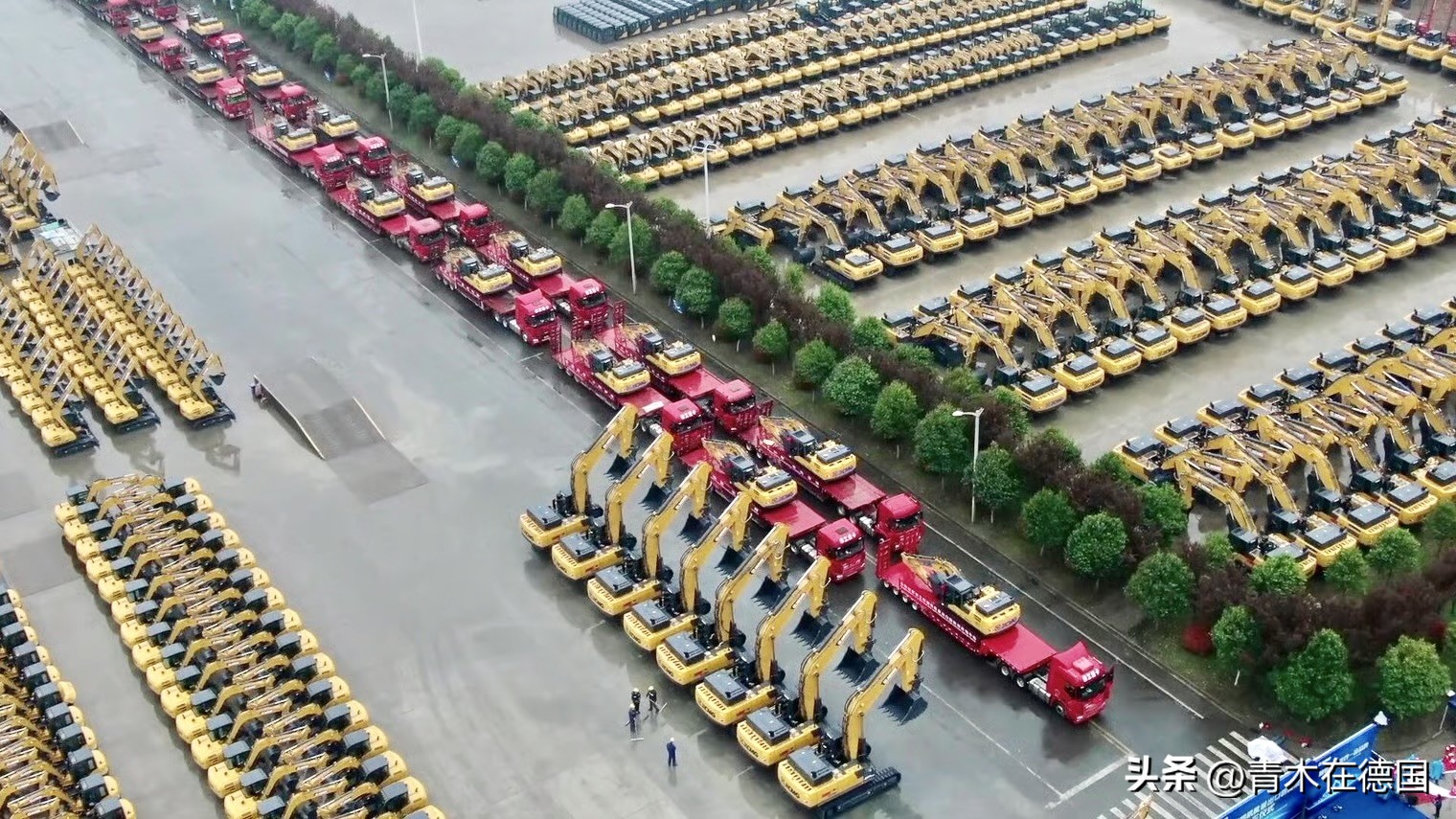
Mass production and complete supply chains are the advantages of Chinese manufacturing
Various signs indicate that German companies must also learn from China's experience in many areas. They need to streamline their business models to improve flexibility, constantly adjust their product range and quality. This is likely to mean that decisions for the Chinese market will be made in China. Recently, Volkswagen announced that it has the capability to independently develop and produce cars for the Chinese market entirely in China. Pump expert Wilo is also transforming its Chinese headquarters accordingly.
But for many people, perhaps the hardest reality to accept is that the "Made in Germany" label itself no longer holds any value. Instead, "Made in China" is gradually becoming synonymous with global innovation, high cost-effectiveness, and new designs.
Original: https://www.toutiao.com/article/7578295945851388422/
Statement: The article represents the views of the author. Please express your opinion by clicking the [Up/Down] buttons below.